Digital Tools Can Strengthen Transparency, Traceability, and Trust In The Future of Food
Quick answer
A better future food system needs to be a transparent food system—and digital tools are creating new opportunities for traceability, openness, and accountability, panelists said at “Digital Futures: A Better Food Future Celebration at Climate Week NYC.”
A better future food system needs to be a transparent food system—and digital tools are creating new opportunities for traceability, openness, and accountability, panelists said at “Digital Futures: A Better Food Future Celebration at Climate Week NYC.”
The Summit, presented alongside Better Food Future and Journey Foods, celebrated the intersection of food, climate, and the arts with changemaker panels, immersive tastings, and DJ performance by celebrity duo Nigerian-American rapper Jidenna and Grammy-winning producer Nana Kwabena.
In the modern age, “you have to really do the job right. There’s no place to hide,” says Erik Giercksky, the Head of Ocean Stewardship Coalition at UN Global Compact.

For business leaders, this means both establishing high standards and becoming familiar with the full extent of your supply chains, so you can verify everything meets those standards and build new connections.
That’s been our approach, to start from the origin,” says Mark Kaplan, the Co‑Founder & Chief Sustainability Officer at Wholechain and Lead at Better Food Future. “When you get to the origin, you discover these incredible things that you otherwise wouldn’t know if you’re just taking your distributor’s word for it.”
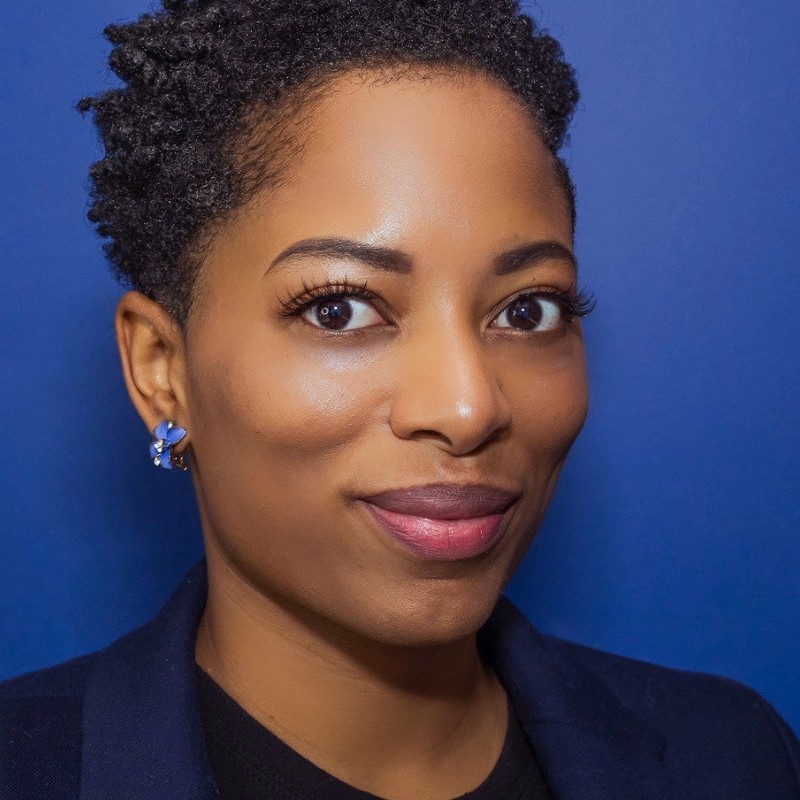
Technological innovations like artificial intelligence (AI) can provide powerful tools for developing transparency and traceability, which is a priority for Riana Lynn, Founder and CEO of Journey Foods and its research initiative, JourneyLabs. The company uses AI and other tools to help companies build more sustainable, nourishing, collaborative, data-driven supply chains.
But in order for any of these efforts to pay off, communication is key, panelists said. When bringing tech to farms, for example, businesses have a responsibility to make sure farmers understand what the innovations can do for them and how to ensure they reap the financial benefits, says Dr. Augusto Castro-Nunez, Head of Low-Emissions Food Systems Research at the Alliance of Bioversity International and CIAT.
Alex Golub, Sustainability Director at Acme Smoked Fish, agrees.
“We have a transparency issue in sustainability,” she says. “The potential for traceability can unlock so much more value for seafood businesses. … If consumers know where their food is coming from, harvesters can really have those assurances, and that transparency can ripple through.”
By helping companies streamline their core operations, digital technology innovations can also help the private sector devote more resources toward creative solutions, said panelists including Eric Mittenthal, Chief Strategy Officer at the Meat Institute, and James O’Connell, Director of Agribusiness and Sustainability at Kerry Dairy Ireland.
“We all like to talk about forest protection, but those are habitats, and when you want to protect a habitat, you have to protect the top species,” Elena Piana, Group Sustainability Manager at Regal Springs, explains. “Food that’s produced with the best practices, with care and with patience, tastes good.”
And flavor is what helps build the case for traceability and sustainability among eaters, too. As Daniel Russek, CEO of Atarraya, says: “By making delicious food, that’s how you get their attention.”
Social media influencers also speak to massive captivated audiences and can be effective messengers for change. But in a world run by algorithms, transparency and authenticity in one’s own personality is necessary to cut through the noise.
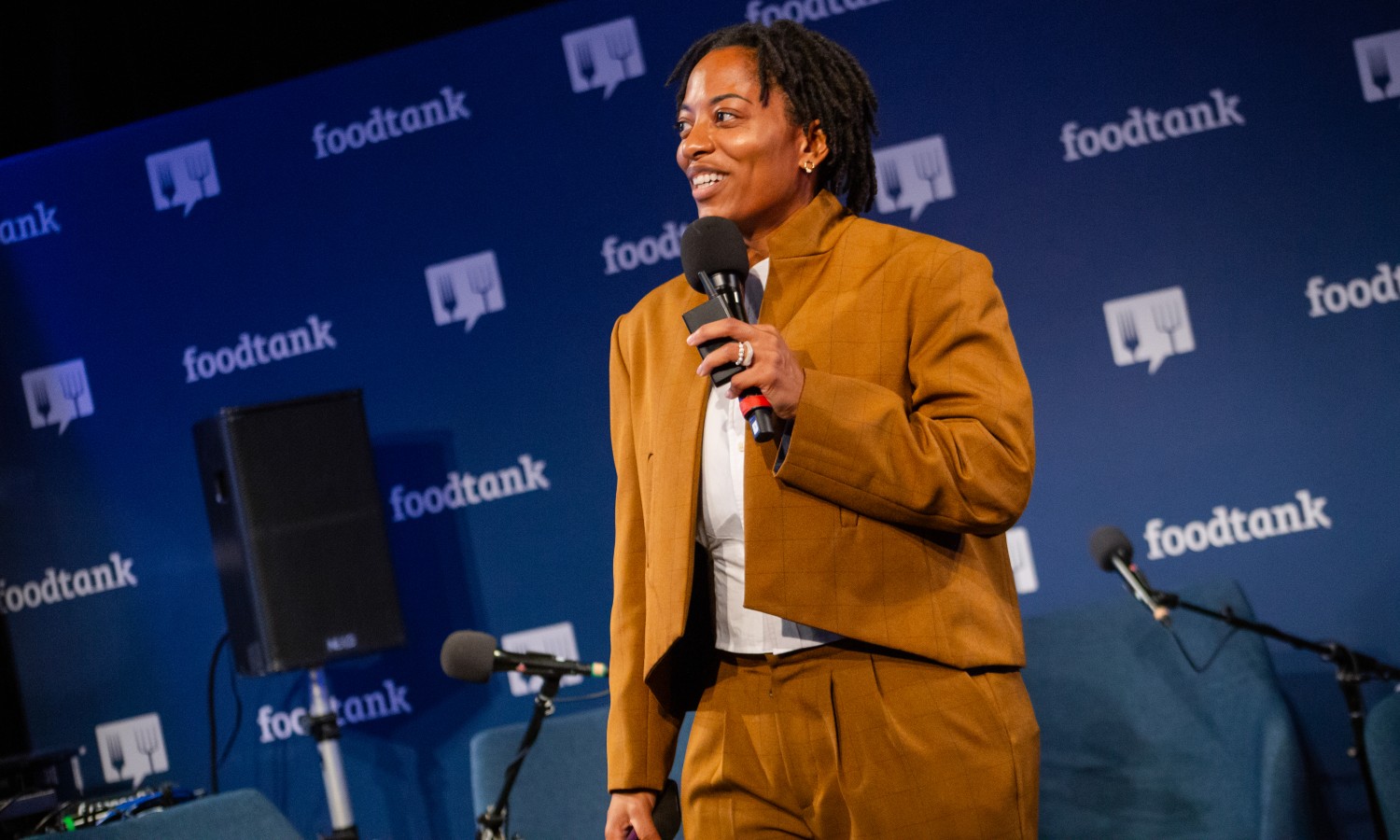
“The way to get people to be more sustainable, everything has to be trendy now. I’m sorry, but the internet runs everything,” says Georgia chef, painter, and comedian Eniá “Flava P” Patterson, who has nearly a combined half-million followers across social media platforms. “A lot of things that go viral, they’re not really good for us, so that’s when (people who care about sustainability) use our superpower: How can you make it funny?”
Flava P continued: “The future belongs to the people who put in the groundwork now, who set a great example, and who really put in who they are, relentlessly.”
Read more here:
Data from this story
Shareable Journey Intelligence
Digital Tools Can Strengthen Transparency, Traceability, and Trust In The Future of Food
News & Events