Fast Food Ingredients Exposed: What's Really in Your Favorite Menu Items in 2026


Quick answer
You've probably wondered what's actually in that burger. Not the marketing version — the real one.
Table of Contents
You've probably wondered what's actually in that burger. Not the marketing version — the real one.
Fast food ingredient lists have always been long. But in 2026, consumers are reading them more carefully than ever, and what they're finding is complicated. Some things have genuinely improved. Others haven't budged.
Let's get into it.
The Ingredient List Nobody Talks About
Fast food menus look simple. A burger, some fries, a drink. But the ingredient lists behind those items can run 50 to 100 components deep — preservatives, emulsifiers, flavor enhancers, synthetic dyes — most of which the average person couldn't identify on sight.
The average fast food bun contains 30+ ingredients. And that's before you add the patty, the sauce, or any toppings.
This isn't inherently sinister. Many of those ingredients serve real functional purposes: shelf stability, texture, consistent color across thousands of locations. But it does raise a fair question — what exactly are you eating, and why is it in there?
What's Actually in a Fast Food Burger
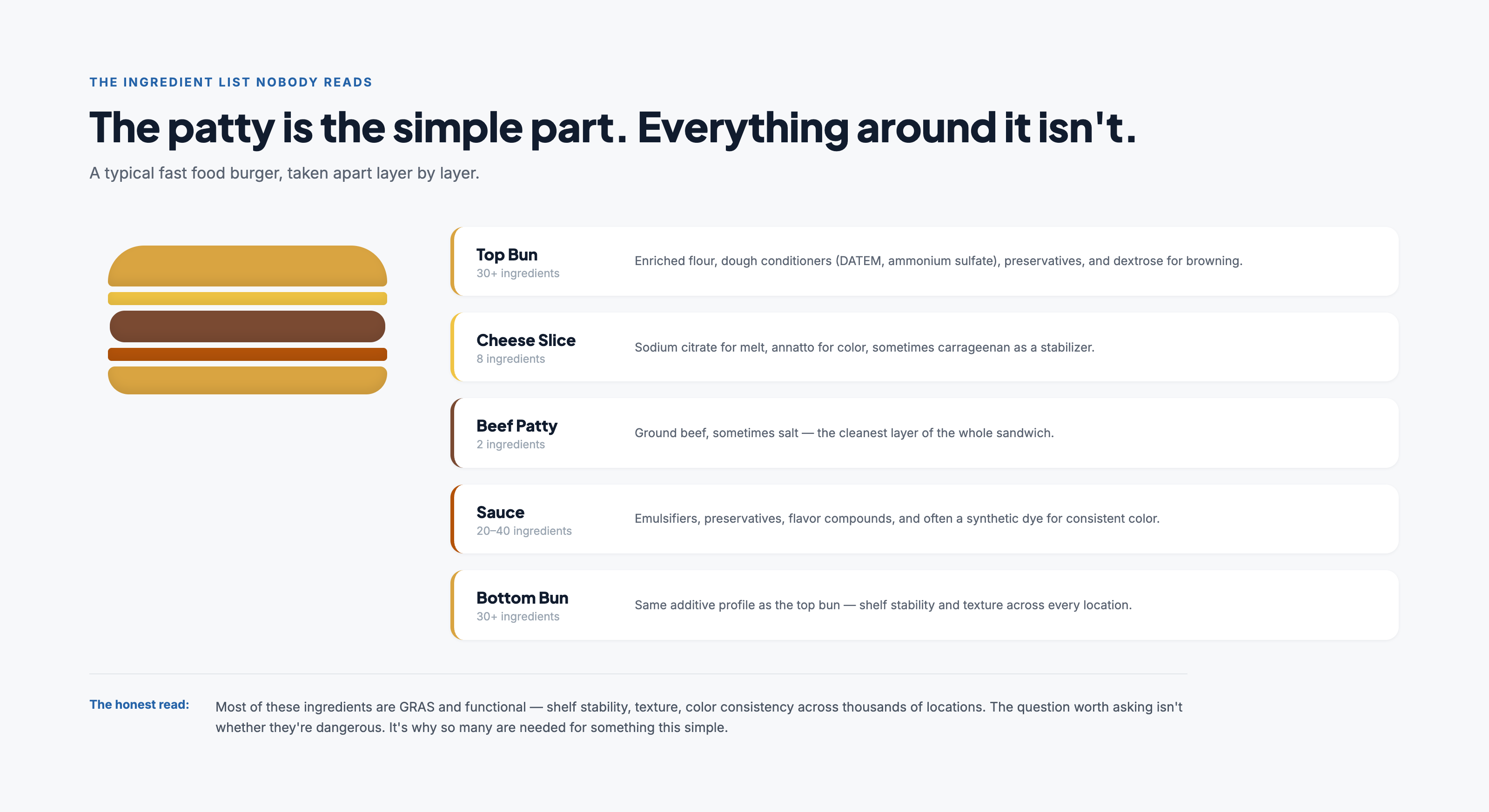
Start with the patty. Most fast food beef patties are relatively straightforward: ground beef, sometimes with salt. That part is actually pretty clean.
The bun is where things get interesting. A typical fast food bun includes:
The cheese slice brings sodium citrate, annatto (a natural colorant), and sometimes carrageenan as a stabilizer.
None of these are banned. Most are GRAS (Generally Recognized As Safe) by the FDA. But the full picture is a long way from "just a burger."
Journey Ingredient Intelligence
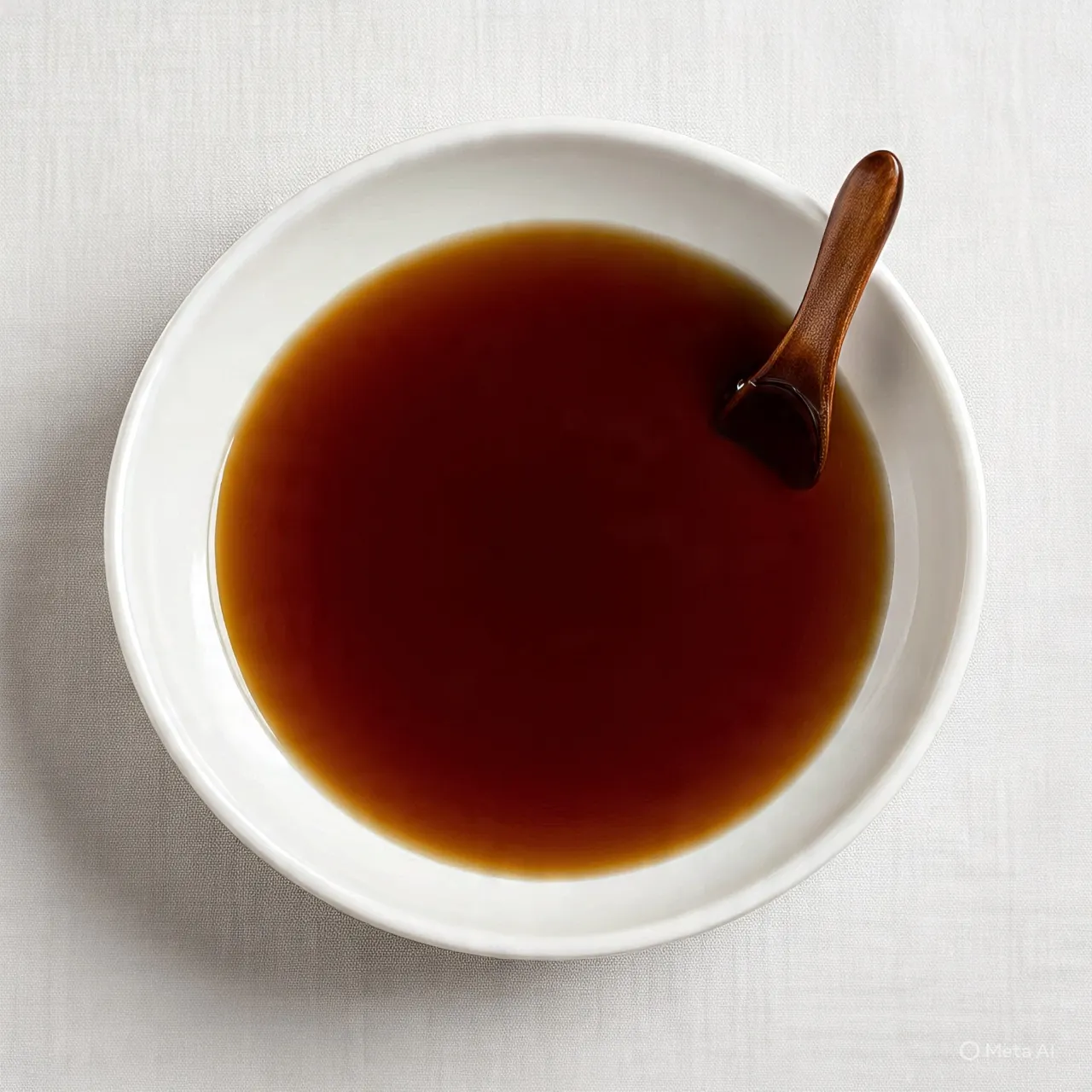
Soy Sauce
And that's before you add the patty, the sauce, or any toppings.
A liquid sauce made from fermented soybeans (Glycine max), wheat, and yeast.
Nutrition. Soy Sauce has a nutrition profile of 240 kcal/lb, 36.92 g protein/lb, 3.63 g fiber/lb, and 1.81 g total sugars/lb.
Cost. Soy Sauce is currently priced at $6.45/kg.
Sustainability. Journey AI evaluates ingredient sustainability using environmental indicators such as water usage, greenhouse gas emissions, and upcycled status.
Chicken Nuggets: More Than Just Chicken
Chicken nuggets are among the most ingredient-dense items on any fast food menu. The chicken itself is usually a mix of white meat and rib meat — but the coating and batter add a whole other layer of complexity.
A standard nugget coating typically includes:
"Natural flavors" does a lot of heavy lifting on these labels. Under FDA rules, the term can include extracts from meat, seafood, dairy, vegetables, or fermentation byproducts. Technically natural. Not exactly transparent.
The Fry Formula: Why They Taste So Good
Fast food fries are potatoes. They're also a carefully engineered product.
Most major chains par-fry their fries at the factory before freezing and shipping. That process introduces:
Dimethylpolysiloxane is FDA-approved and also used in silicone products. It's functional, not dangerous — but it's the kind of ingredient that makes people do a double-take.
The fry oil itself is usually a blend of canola, soybean, or sunflower oil. Some chains are moving toward higher-oleic oils for better stability and a cleaner label.
Sauces, Dressings, and the Additive Game
Sauces are where fast food formulation gets most creative. A single dipping sauce or dressing can contain 20 to 40 ingredients on its own.
Common additives across fast food sauces include:
Ranch, honey mustard, barbecue, special sauce — they all follow a similar pattern. Oil or water base, emulsifiers to hold it together, preservatives to extend shelf life, and flavor compounds to make it taste like the version you remember.
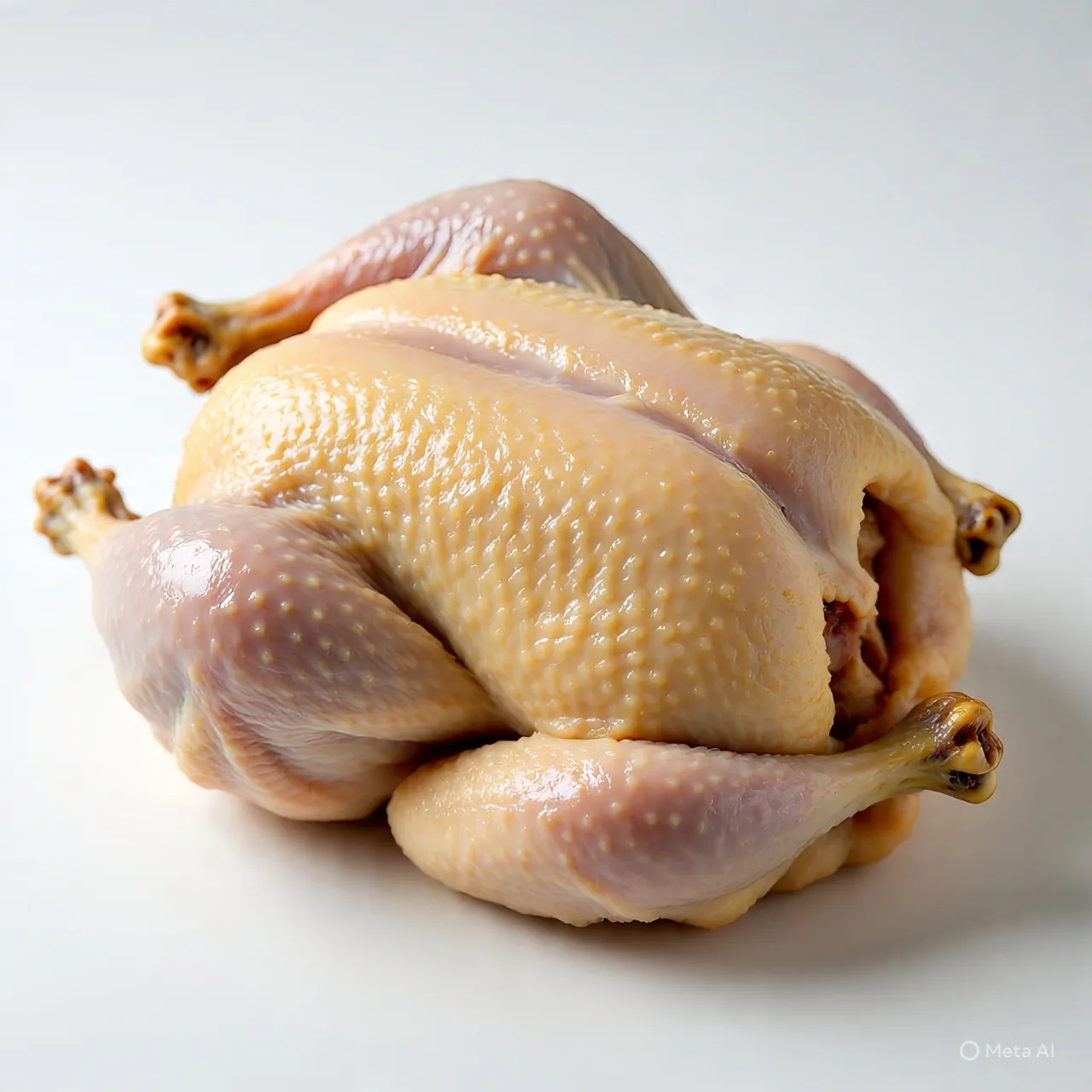
Journey Ingredient Intelligence
Chicken (Whole)
But the full picture is a long way from "just a burger." Chicken Nuggets: More Than Just Chicken Chicken nuggets are among the most ingredient-dense items on any fast…
A South American tree in the family Lecythidaceae.
Nutrition. Chicken (Whole) has a nutrition profile based on the current Journey Foods nutrition table: Calories: 975 kcal/lb, Protein: 84.37 g/lb, Fiber: 0.00 g/lb, Total Sugars:…
Cost. Chicken (Whole) is currently priced at $4.54/kg.
Sustainability. Chicken (Whole): Journey AI evaluates ingredient sustainability using environmental indicators such as water usage, greenhouse gas emissions, and upcycled status.
Artificial Dyes Are Still Everywhere
This is one of the bigger stories in fast food ingredients right now. Red 40, Yellow 5, Yellow 6 — synthetic dyes are still widely used, particularly in sauces, coatings, and beverages.
The pressure to move away from them has accelerated in 2026, driven by both regulatory scrutiny and consumer demand. Several states have passed or are actively considering restrictions on certain synthetic dyes, and the FDA has been re-evaluating approvals.
The shift toward natural colorants is real — but it's slower than the headlines suggest. Alternatives like beet juice, turmeric, and spirulina cost more, behave differently under heat, and can affect flavor. It's not a simple swap.
We broke down the push toward alternative dyes and what it means for product formulation in our Q4 trends piece. The tension between clean-label goals and functional performance is very real — and it's not going away.
What's Actually Changing in 2026
Not everything is static. The fast food industry is under more pressure than it's been in years, and some meaningful shifts are underway.
What's improving:
What's still lagging:
Consumer demand for transparency is loud and clear. More people want to know not just what's in their food, but where those ingredients came from and how they were processed. At global fast food scale, that's a genuinely hard ask — but it's one the industry can no longer ignore.
What This Means for the Food Industry
Fast food is a mirror. Those ingredient lists reflect something much bigger happening across CPG: the tension between cost efficiency and clean-label goals, between shelf stability and ingredient simplicity, between what consumers say they want and what they actually buy.
For food and CPG companies trying to formulate better products, the fast food story is instructive. It shows what happens when scale, cost, and convenience drive every decision for decades — and it shows exactly why the push toward transparency and better sourcing matters so much right now.
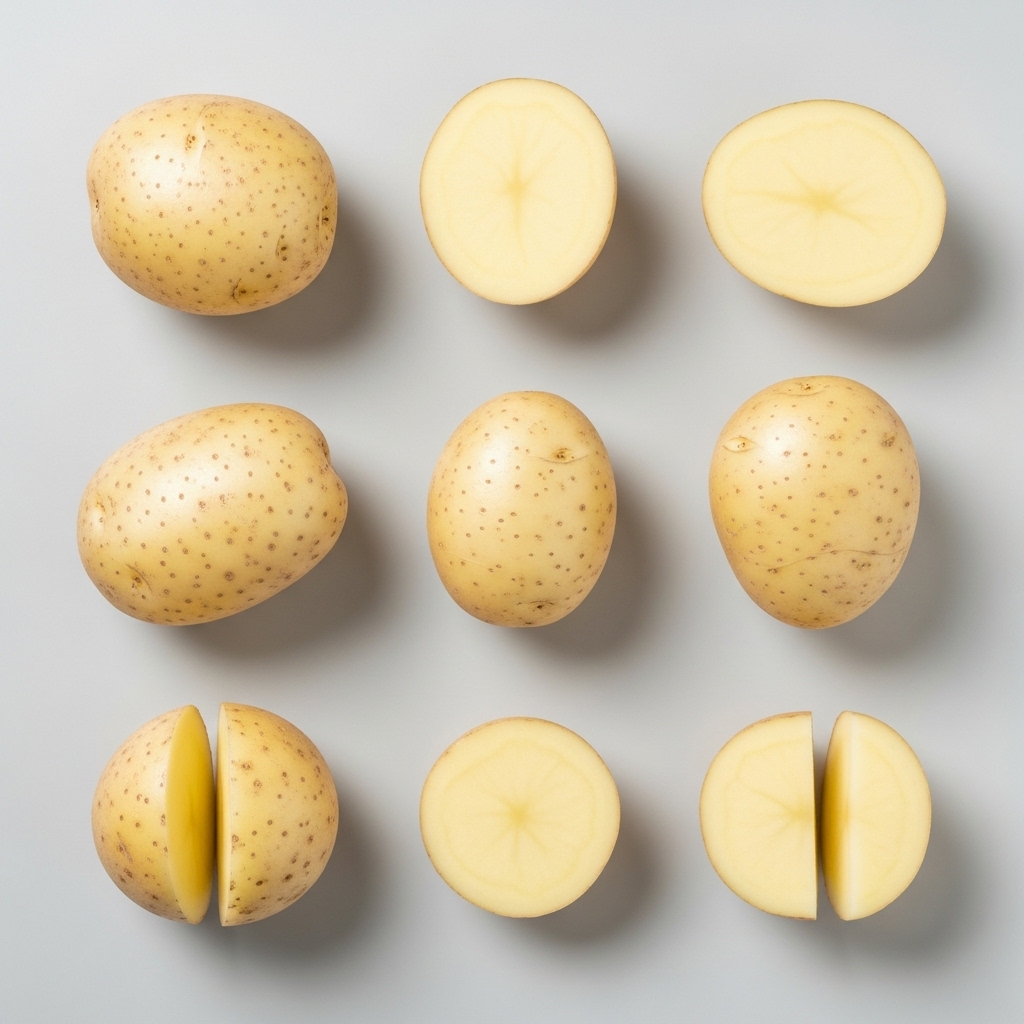
Journey Ingredient Intelligence
Potatoes (White)
The Fry Formula: Why They Taste So Good Fast food fries are potatoes.
A starchy tuber (Solanum tuberosum) that can be used in snacks and baked goods.
AI and transparency in food are increasingly linked. Technology is making it faster to trace ingredient origins, flag supply chain risks, and identify cleaner alternatives without sacrificing performance. That shift is already happening at the formulation level, even if consumers don't see it on the menu yet.
The sustainability side of ingredient sourcing is getting more attention from suppliers and brands alike. Fast food chains are starting to ask harder questions about where their ingredients come from — and suppliers who can answer those questions clearly have a real advantage.
At Journey Foods, we work with food and CPG teams to make ingredient discovery, scoring, and supply chain monitoring faster and smarter. If you're building products and want to understand what's in your formulations at a deeper level, that's exactly what our platform is built for. Explore our AI-powered ingredient tools here.
FAQs
What are the most common additives in fast food?
The most common include emulsifiers like mono- and diglycerides, preservatives like calcium propionate and sodium benzoate, dough conditioners like DATEM and ammonium sulfate, and flavor enhancers like autolyzed yeast extract. These show up across burgers, buns, sauces, and coatings.
Are fast food ingredients safe to eat?
Most are FDA-approved and classified as GRAS. Safety at the individual serving level generally isn't the main concern. The bigger questions are about long-term consumption of ultra-processed foods and the cumulative effect of multiple additives eaten regularly.
Why do fast food fries contain so many ingredients?
Fries go through a multi-step industrial process: cutting, blanching, par-frying, freezing, then frying again in-store. Each step introduces ingredients designed to maintain color, texture, and flavor consistency across thousands of locations. Dextrose helps browning, sodium acid pyrophosphate prevents graying, and anti-foaming agents keep the frying oil stable.
What does "natural flavors" actually mean on a fast food label?
Under FDA regulations, natural flavors are derived from plant or animal sources — fruits, vegetables, meat, seafood, dairy, eggs, or fermentation byproducts. The definition is intentionally broad, which means the term can cover a wide range of compounds. It doesn't mean the flavor is simple or minimally processed.
Are fast food chains removing artificial dyes in 2026?
Some are making voluntary commitments, especially in response to state-level regulatory pressure. But the transition is slow. Natural colorants cost more and behave differently under heat and light, which creates real formulation challenges at scale. Progress is happening — just unevenly across the industry.
What's the difference between a clean-label fast food item and a conventional one?
A clean-label item uses fewer, more recognizable ingredients, avoids synthetic additives, and prioritizes sourcing transparency. In fast food, truly clean-label items are rare — the operational demands of the category (shelf stability, consistency, cost) push formulations toward complexity almost by default.
How can food companies improve on the fast food ingredient model?
The main levers are ingredient substitution (replacing synthetic additives with functional natural alternatives), supply chain transparency (knowing where every ingredient comes from), and formulation optimization (finding the simplest combination of ingredients that still delivers the performance you need). AI-powered tools are making all three faster and more accessible.
We'd love to hear your thoughts on this one. Got questions or strong opinions about fast food ingredients? Throw them in the comments below. You can also find us on Instagram, LinkedIn, and Twitter.
The Team at Journey

Journey Ingredient Intelligence
Beef (Ground)
Most fast food beef patties are relatively straightforward: ground beef, sometimes with salt.
A South American tree in the family Lecythidaceae.
Journey Ingredient Intelligence · Comparison
Soy Sauce
Chicken (Whole)
Data from this story