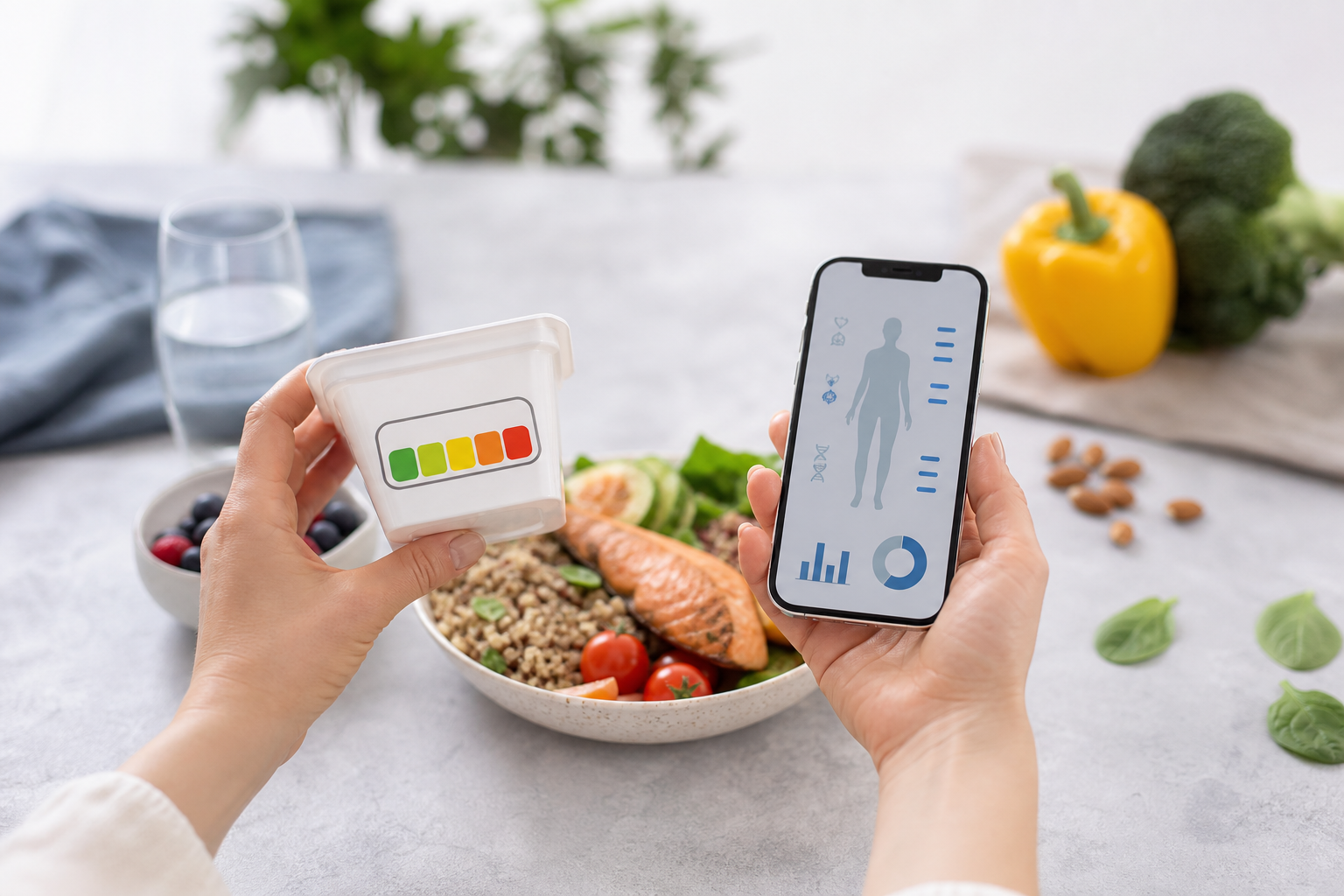
Groceries and Processed Food: What the Ingredient Labels Are Really Telling You in 2026

Quick answer
You flip a package over. The front says "natural." The back lists 27 ingredients.
Table of Contents
The Label Problem Nobody Talks About
You flip a package over. The front says "natural." The back lists 27 ingredients.
Which one do you trust?
That tension — between what food looks like and what it actually is — sits at the center of how most people shop in 2026. The gap between whole foods and processed ones has never been more important to understand, or more deliberately obscured.
Let's get into it.
What "Groceries" Actually Means Now
"Groceries" used to mean food you buy to cook at home. Now it covers everything from raw produce and dry beans to shelf-stable meal kits, protein bars with 40-character ingredient lists, and "fresh" items that were processed months ago.
The NOVA classification system, developed by researchers at the University of São Paulo, sorts food into four groups based on how much processing it's undergone. Group 1 is unprocessed or minimally processed — fruits, vegetables, eggs, plain meat. Group 4 is ultra-processed: products formulated with industrial ingredients that rarely show up in a home kitchen.
Most of what fills a standard grocery cart in 2026 sits in Groups 3 and 4.
That's not a moral judgment — it's just the reality of how the food industry has evolved. Knowing where your food falls on that spectrum is the first step to reading labels with any real clarity.
How to Read a Processed Food Label in 2026
The Ingredient List: Order Matters
Ingredients are listed by weight, from most to least. So if sugar is the second ingredient on your "whole grain" cereal, there's more sugar in that box than almost anything else.
A few things worth watching for:
The shorter the ingredient list, the closer the product usually sits to real food. Not a universal rule, but a reliable starting point.
Additives, Preservatives, and the Names You Can't Pronounce
Not every additive is harmful. Some are genuinely functional and safe. But a long additive list is still a signal worth paying attention to.
Common ones you'll see on processed food labels:
Journey Ingredient Intelligence
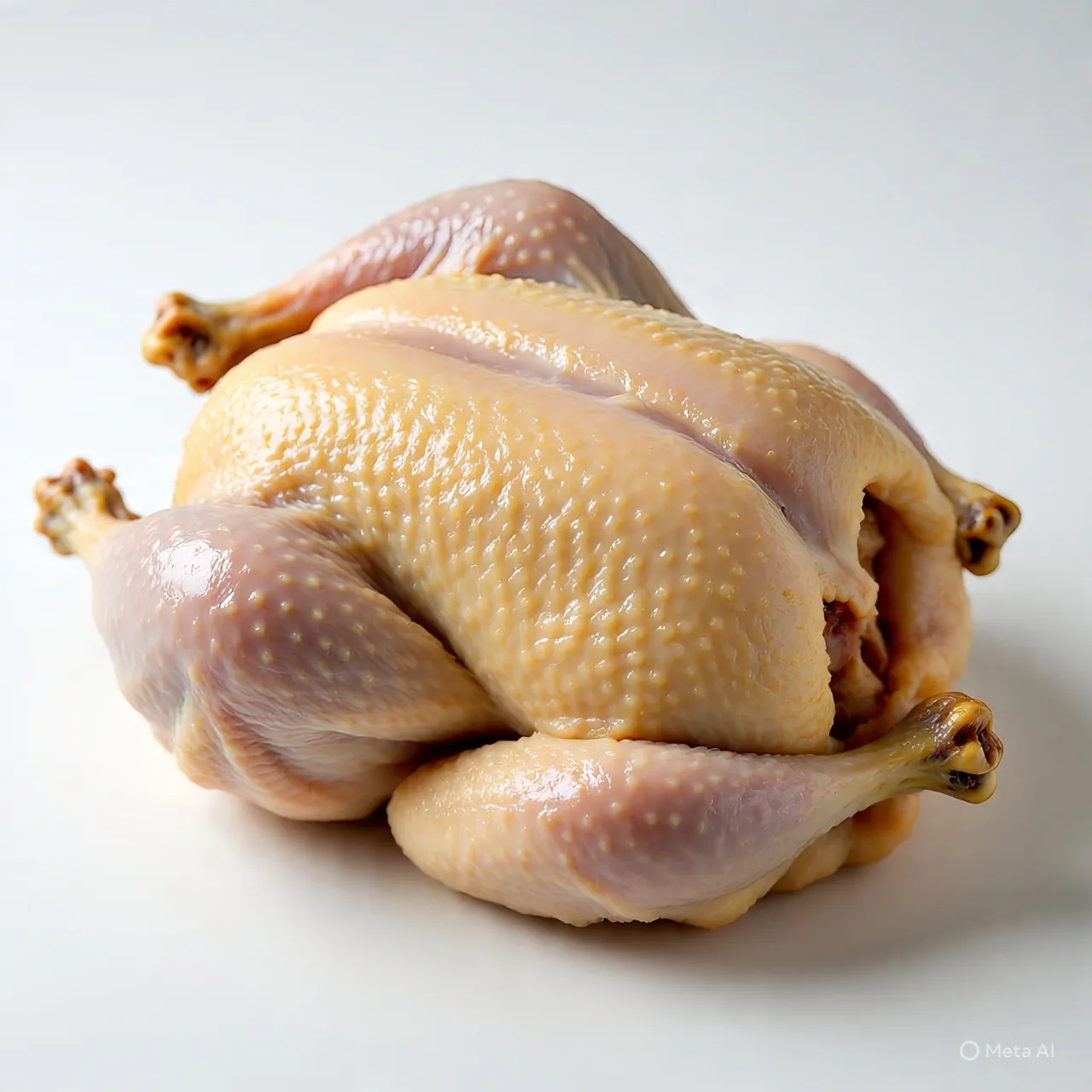
Chicken (Whole)
Processed: A Side-by-Side Reality Check Take a plain chicken breast versus a chicken nugget.
A South American tree in the family Lecythidaceae.
Nutrition. Chicken (Whole) has a nutrition profile based on the current Journey Foods nutrition table: Calories: 975 kcal/lb, Protein: 84.37 g/lb, Fiber: 0.00 g/lb, Total Sugars:…
Cost. Chicken (Whole) is currently priced at $4.54/kg.
Sustainability. Chicken (Whole): Journey AI evaluates ingredient sustainability using environmental indicators such as water usage, greenhouse gas emissions, and upcycled status.
The EU and UK tend to hold stricter additive standards than the US — which is why the same brand sometimes sells a different formulation depending on the market. That's a supply chain and regulatory story as much as it's a nutrition one.
The Nutrition Facts Panel: What It's Still Not Telling You
The panel gives you calories, macros, and a handful of micronutrients. What it leaves out:
The panel was designed for compliance, not comprehension. That's not a knock on regulators — it's just the honest limit of what a standardized label can communicate.
Fresh vs. Processed: A Side-by-Side Reality Check
Take a plain chicken breast versus a chicken nugget.
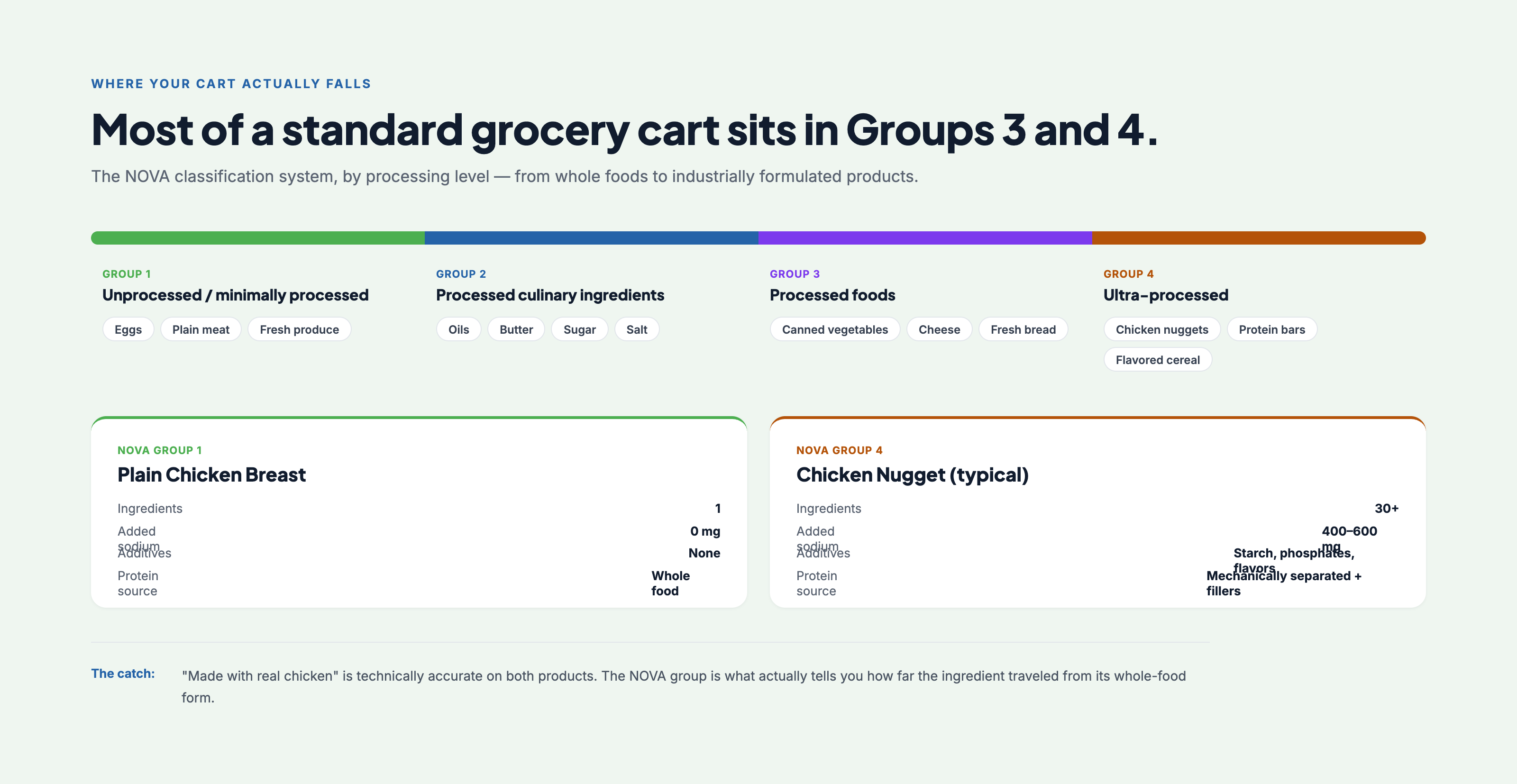
The nugget isn't nutritionally worthless. But the front-of-pack claim "made with real chicken" is technically accurate and practically misleading at the same time.
That's the game. Knowing how to play it makes you a better shopper.
Clean-Label Claims: Marketing or Meaningful?
"Clean-label" is a real term in the food industry — but it has no legal definition. That matters.
When a brand uses it, they usually mean:
That's a meaningful signal. But it's self-reported. No third-party certification is required to use the phrase, and no regulatory body enforces it.
More reliable markers to look for:
None of these are perfect. But they carry more weight than a brand's own marketing copy on the front of the package.
Why Transparency in the Food Industry Is Changing Fast
Here's what's actually happening: the food industry is facing more pressure for ingredient transparency than at any point in the last 50 years.
Consumer demand is part of it. But technology is the bigger driver. AI tools are now being used to trace ingredient sourcing, flag supply chain risks, and score ingredients across nutrition, cost, and sustainability — at a speed that simply wasn't possible five years ago.
For CPG companies building products, this shift is significant. The brands winning shelf space in 2026 are the ones that can back up their label claims with real data, not just good copywriting. We've covered how this is playing out in our piece on AI and transparency in food.
Journey Ingredient Intelligence
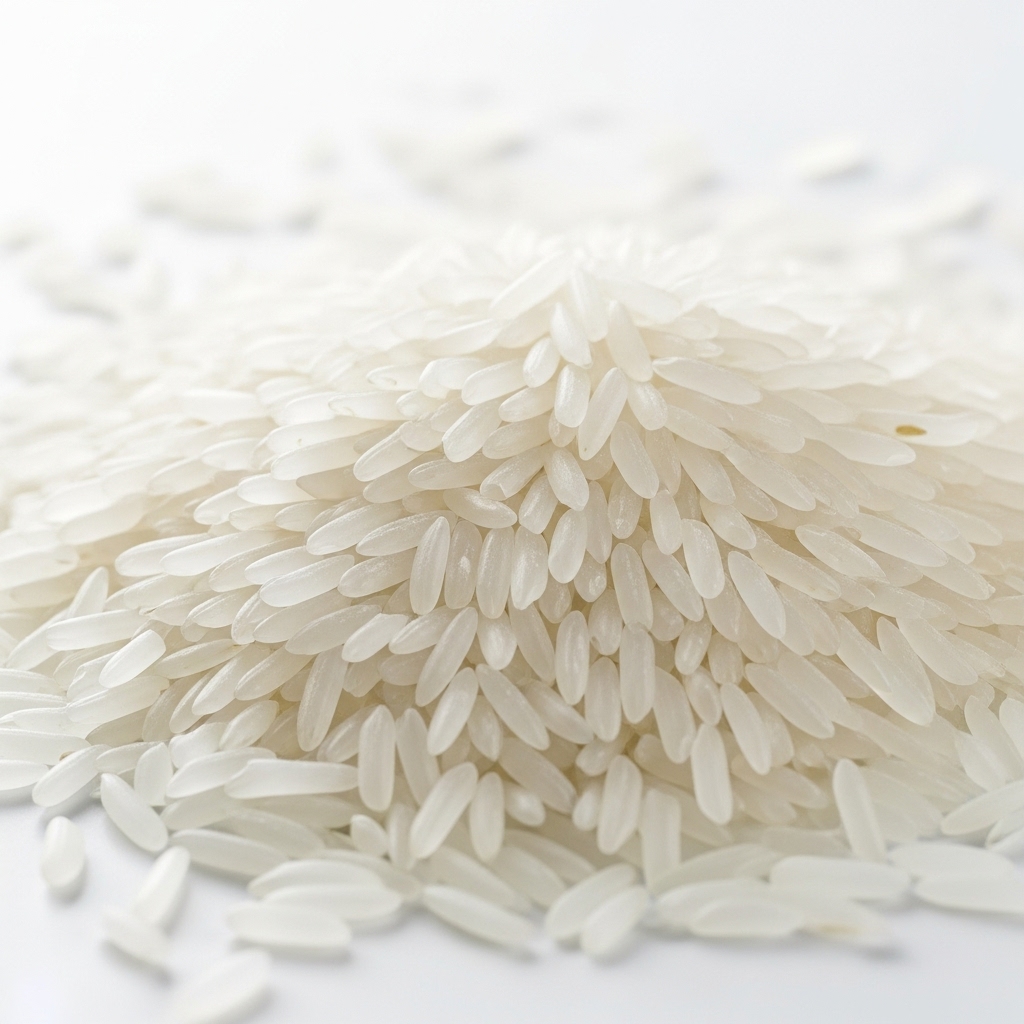
Rice (White, Long Grain)
So if sugar is the second ingredient on your "whole grain" cereal, there's more sugar in that box than almost anything else.
Milled rice (Orzya sativa) that is a staple ingredient in Asia.
Sustainability is woven into this story too. Ingredient sourcing decisions, packaging choices, supply chain relationships — they all show up eventually in what ends up on a label. Our breakdown of key sustainability suppliers and services is worth a read if you want to see where that's heading.
For shoppers, more tools are coming to help decode what's actually in your food. For the food industry, the window for vague claims and opaque sourcing is closing.
At Journey Foods, we build AI-powered software that helps food companies discover, score, and monitor ingredients across nutrition, cost, sustainability, and supply chain risk. The goal is better formulation decisions — so the products that reach your grocery cart are actually what they claim to be.
That's not a small mission. But it's the right one.
FAQs
What is the difference between processed and ultra-processed food?
Processed food has been altered from its natural state through cooking, canning, freezing, or adding simple ingredients like salt or sugar. Ultra-processed food (NOVA Group 4) is made primarily from industrial ingredients and additives, with little to no whole food content. Think packaged snacks, flavored instant noodles, and most breakfast cereals.
Are all additives in food bad for you?
No. Some are inert or genuinely functional — ascorbic acid (vitamin C), for example, is commonly used as a preservative. Others have more contested safety profiles. The point isn't fear — it's knowing what you're consuming and why it's there. A long, opaque additive list is worth scrutinizing even when individual ingredients are technically safe.
What does "natural flavors" mean on an ingredient label?
It's an FDA-regulated term, but it covers a wide range of compounds derived from natural sources. It doesn't mean the flavor is simple, wholesome, or identifiable. A single "natural flavors" entry can represent dozens of individual chemical compounds.
Is organic food always healthier than conventional?
Not necessarily. Organic certification primarily addresses pesticide use and farming practices — not nutritional content. An organic cookie is still a cookie. That said, it does provide meaningful assurance about how ingredients were grown and what wasn't used in the process.
How can I tell if a "clean-label" claim is real?
Look past the front-of-pack marketing and read the ingredient list. A genuinely clean-label product will have a short list of recognizable ingredients, no artificial additives, and ideally a third-party certification to back it up. The phrase itself has no legal definition — so the ingredient list does the actual work.
Why do the same brand's products have different ingredients in different countries?
Regulatory environments differ significantly. The EU bans or restricts many additives still permitted in the US, so brands often reformulate for different markets. If you've ever noticed a product tasting different abroad, that's usually why.
What role does AI play in making food labels more accurate?
AI is increasingly used by food companies to score ingredients, monitor supply chains, and flag risks before they reach the finished product — helping brands make better formulation decisions and produce labels that more accurately reflect what's inside. For a deeper look, check out our overview of leading AI companies in the food industry.
Reading a grocery label well isn't about fear. It's about information. The more you know what to look for, the better your decisions get — and the more pressure you put on brands to actually earn your trust.
That's how the food industry gets better. One informed shopper at a time.
We'd love to hear from you! If you have questions or thoughts, throw them in the comments below. You can also hit us up on Instagram, LinkedIn, or Twitter.
The Team at Journey
Journey Ingredient Intelligence
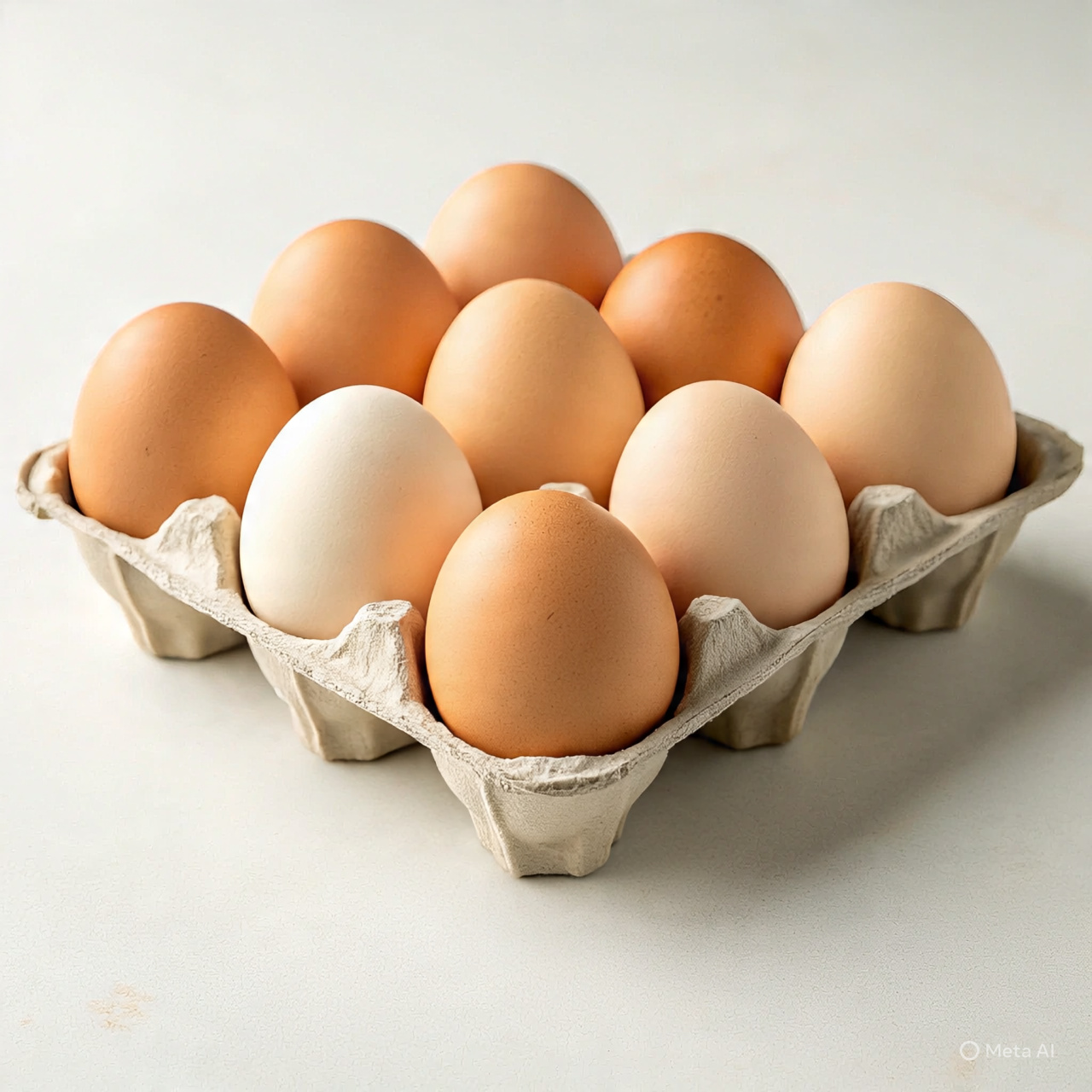
Eggs
Group 1 is unprocessed or minimally processed — fruits, vegetables, eggs, plain meat.
A chicken food product (Gallus gallus domesticus) that contains fat and protein.
Journey Ingredient Intelligence · Comparison
Chicken (Whole)
Rice (White, Long Grain)
Data from this story