
Quick answer
Neem (Azadirachta indica) is an extraordinarily diverse tree found in semi-tropical and tropical regions. It tolerates high temperature very well and doesn’t do well in the cold. People use its leaves, seeds, and bark to make medicines and remedies.
Neem (Azadirachta indica) is an extraordinarily diverse tree found in semi-tropical and tropical regions. It tolerates high temperature very well and doesn’t do well in the cold. People use its leaves, seeds, and bark to make medicines and remedies.
What is Neem for?
- Cardiovascular disease
- Intestinal health
- Antiparasitic (antimicrobial)
- Anti-inflammatory
- Eye disorders
- Gum disease
- Antiviral
- Natural insecticide
The benefits of Neem are numerous, and the list can be expounded upon.
The earliest Sanskrit medical writings refer to the benefits of its fruits, seeds, oil, leaves, roots, and bark.
Neem Popularity
Widely used in India and other parts of Asia, Neem is found to be an efficacious antiseptic and natural medicine. Especially in India, Neem has been used for thousands of years.
Not many CPG companies in the US food industry are currently using Neem.
However, many hygiene products – such as toothpastes, shampoos, soaps, and cleaners – use Neem for its many benefits. Most natural pharmacies and grocery stores will stock a few Neem products.
Further Information
Known as the “Miracle tree” and “Arishta” (Sanskrit for Sickness reliever), Azadirachta indica (Neem), belonging to the Meliaceae family, from prehistoric Indian subcontinent, for its multitudinous medicinal properties (Tanguturi et al. 2020). Different compounds with biological activity have been reported obtained from A. indica as alkaloids, flavonoids, triterpenes, phenolic compounds, carotenoids, steroids, and ketones. Its branches and leaves are often used to produce essential oils and metabolic extracts employing different organic solvents (Ferreira et al. 2019).
One of the major biological active compounds researched in Neem is Nimbidin. The Nimbidin is extracted from the oil of neem seed kernels and possess several therapeutic properties as anti-inflammatory, Antipyretic activity, Hypoglycemic effect, Antiulcer effect, Antibacterial and antifungal effect. Several other bioactive compounds like Azadirachtin and Nimbolide are related with antioxidant and antimalarial activity (Tanguturi et al. 2020).

Nowadays, biotechnological applications of Neem in agriculture, environment, and pharmaceutical areas are researching topic trends. The bioinsecticide agent of Neem is effective in controlling mosquitoes that transmit human diseases such as Aedes spp., Anopheles gambiae, Anopheles culicifacies, Bamisia tabaci, Culex quinquefasciatus, and some arthropods.
On the other hand, a biotechnological tool Based on the extraction of different bioactive oils from Neem, it is possible to apply them as fertilizers and thus can improve soil quality for better agricultural production (Ferreira et al. 2019).

Journey Ingredient Intelligence
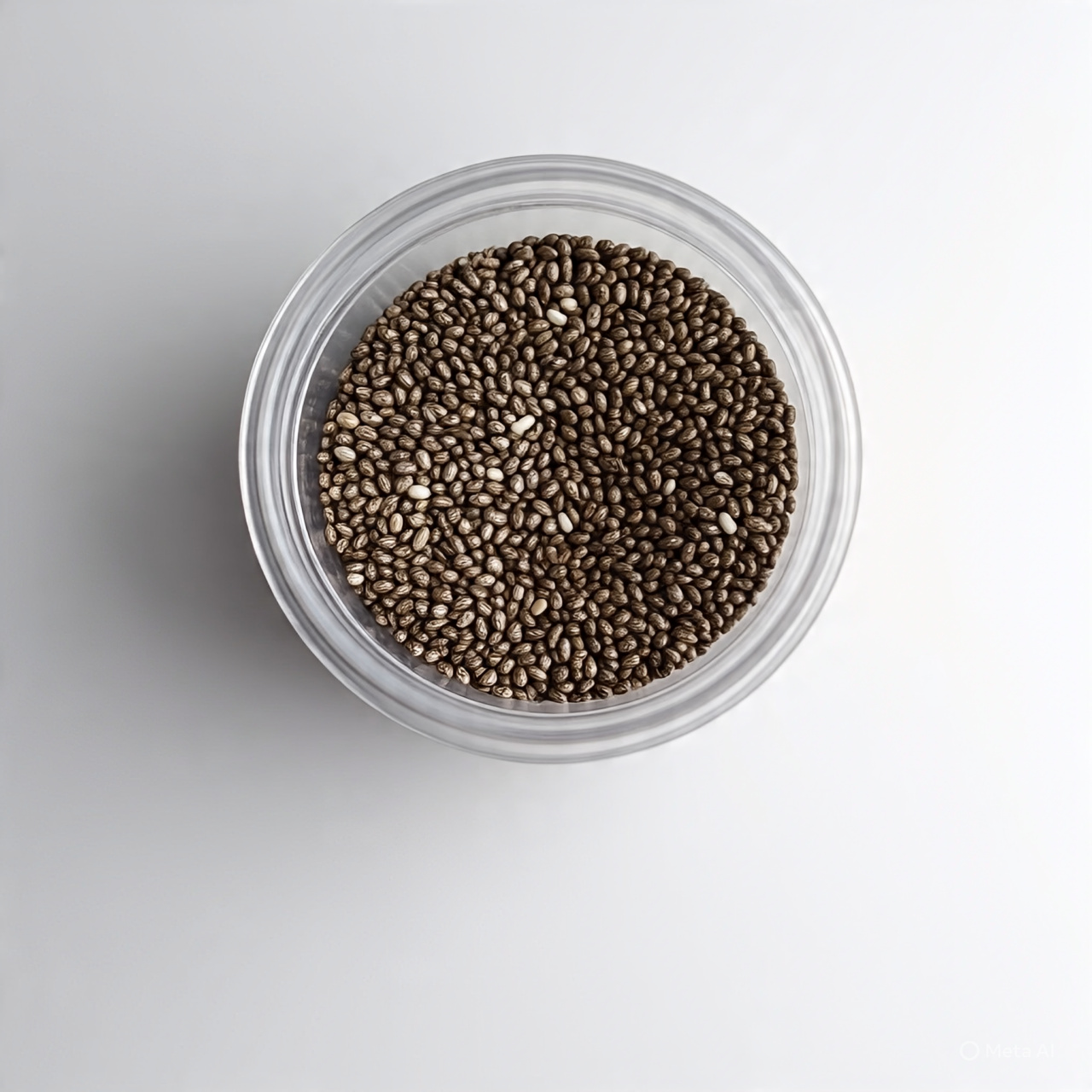
Chia Seeds
People use its leaves, seeds, and bark to make medicines and remedies.
A South American tree in the family Lecythidaceae.
Data from this story