
Quick answer
As plastic pollution escalates, Journey Foods is exploring sustainable packaging alternatives to combat environmental degradation and microplastics. Innovations such as biodegradable, edible, plant-based, mushroom, and algae-based packaging offer eco-friendly solutions that reduce waste and support a cleaner planet. Through its AI-driven technology, Journey Foods helps businesses transition to these sustainable options, promoting a greener future while minimizing plastic's harmful impact.
In our quest for a greener future, addressing the issue of plastic pollution has become more urgent than ever. Traditional plastic packaging not only contributes to environmental degradation but also poses a significant threat through the release of microplastics into our ecosystems. At Journey Foods, we’re excited to explore innovative and sustainable alternatives to plastic packaging that help mitigate microplastics and support a cleaner, healthier planet.
The Problem with Plastic Packaging
Plastic packaging is pervasive in our daily lives, but its environmental impact is severe. As plastic breaks down over time, it fragments into tiny particles known as microplastics, which infiltrate our soil, water, and food chains. These microplastics can cause harm to wildlife and potentially impact human health. The search for sustainable alternatives is crucial to combat this issue and reduce our reliance on conventional plastics.
Biodegradable Packaging: A Step Toward Sustainability
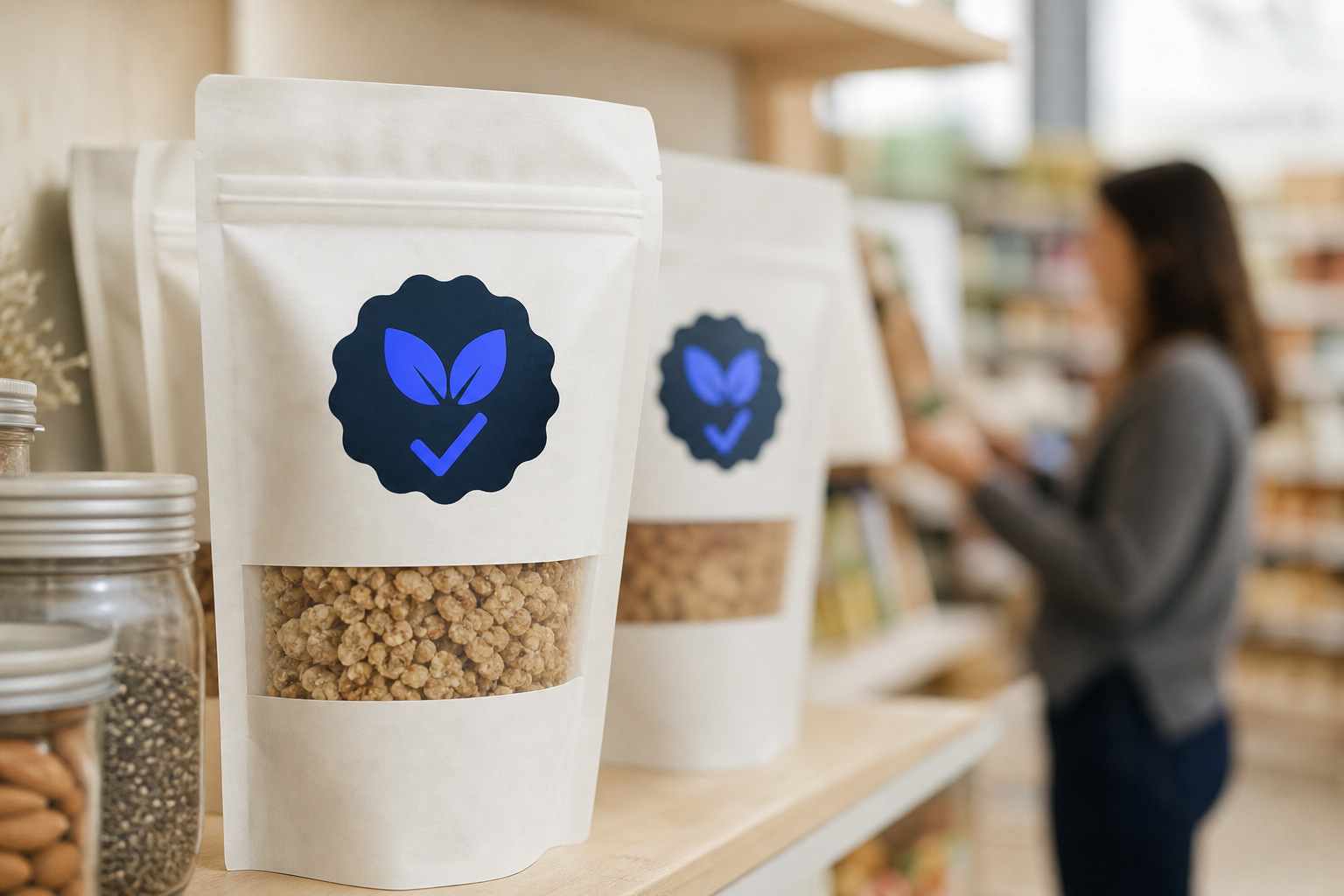
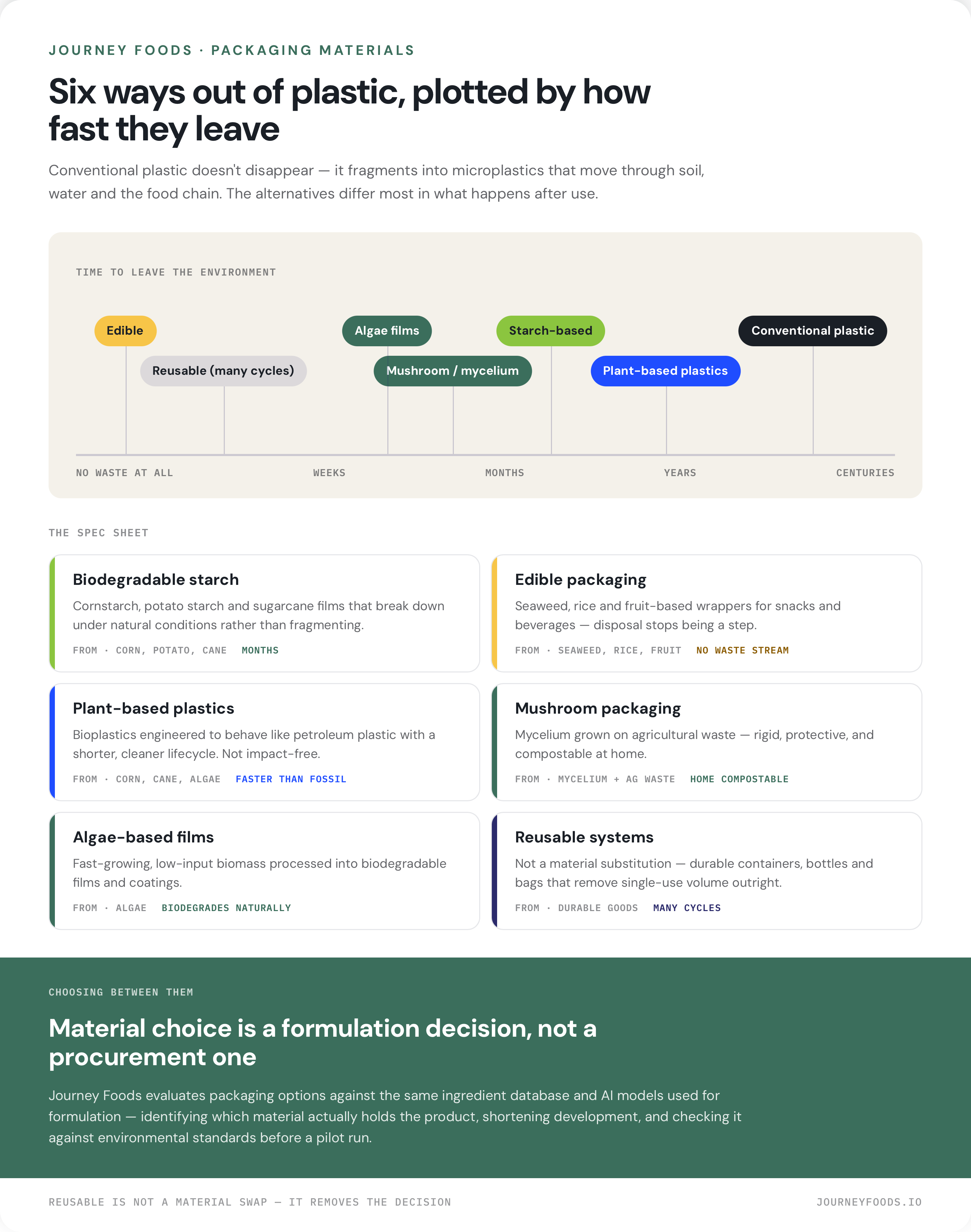
One of the most promising alternatives to traditional plastic is biodegradable packaging. Unlike conventional plastics, biodegradable materials break down more quickly under natural conditions. For example, packaging made from materials like cornstarch, potato starch, and sugarcane can decompose within a few months. These materials help reduce the volume of waste and the release of microplastics into the environment.
Edible Packaging: Innovative and Eco-Friendly
Edible packaging is an exciting development in the quest for sustainable alternatives. Made from ingredients like seaweed, rice, and even fruits, edible packaging eliminates the need for disposal altogether. Companies are creating edible wrappers for snacks, beverages, and other products, which not only reduce waste but also offer a unique, eco-friendly solution. This innovative approach helps mitigate the impact of microplastics by eliminating packaging waste.
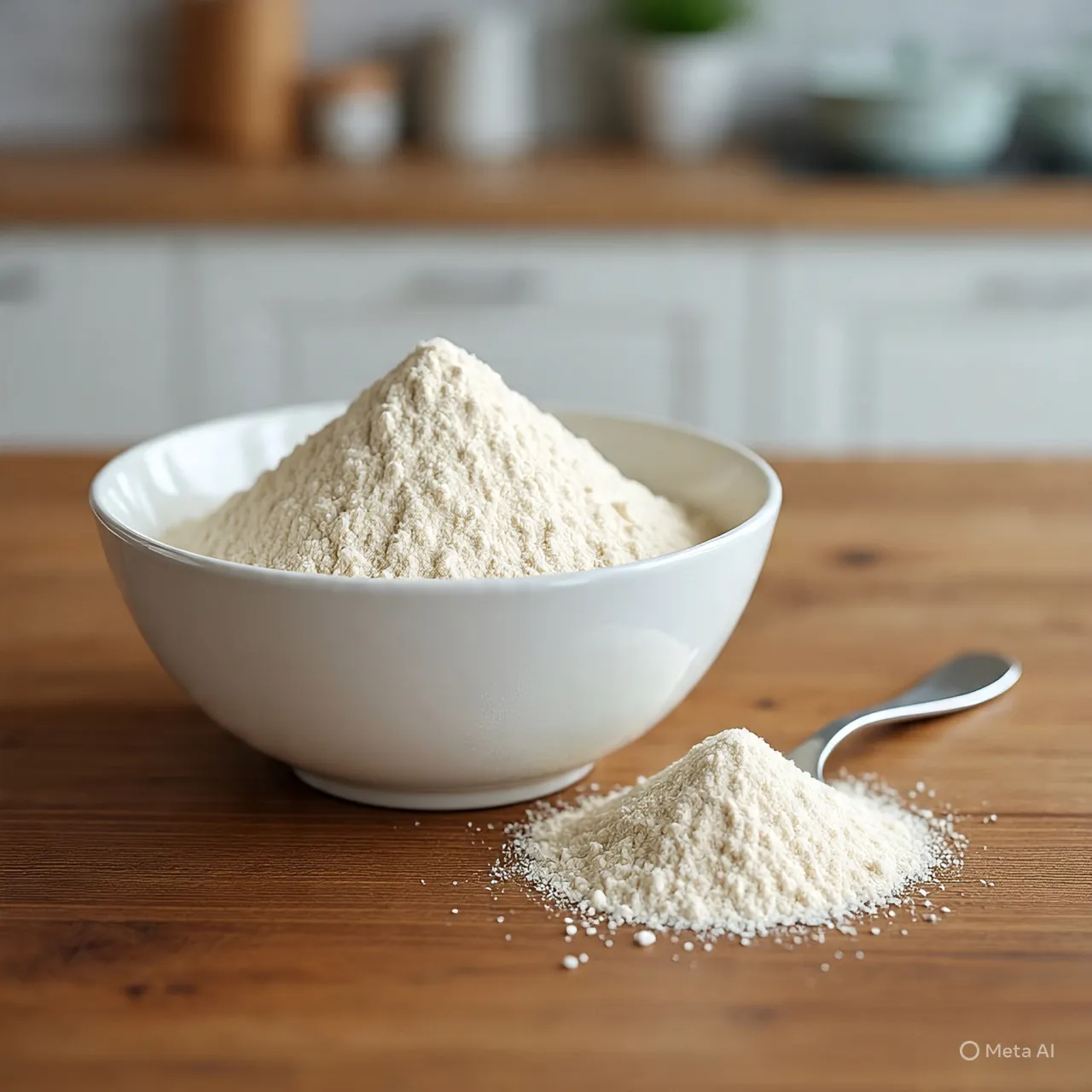
Journey Ingredient Intelligence
Potato Starch
For example, packaging made from materials like cornstarch, potato starch, and sugarcane can decompose within a few months.
A South American tree in the family Lecythidaceae.
Nutrition. Potato Starch has a nutrition profile of 1,625 kcal/lb, 31.30 g protein/lb, 26.76 g fiber/lb, and 15.88 g total sugars/lb.
Cost. Potato Starch is currently priced at $7.60/kg.
Sustainability. Journey AI evaluates ingredient sustainability using environmental indicators such as water usage, greenhouse gas emissions, and upcycled status.
Plant-Based Plastics: Reducing Plastic Waste
Plant-based plastics, or bioplastics, are derived from renewable resources such as corn, sugarcane, and algae. These materials are designed to mimic traditional plastics but offer a more sustainable lifecycle. While not completely free of environmental impact, plant-based plastics decompose more efficiently and reduce the potential for microplastic pollution compared to petroleum-based plastics.
Mushroom Packaging: Nature’s Solution
Mushroom packaging, made from mycelium—the root structure of fungi—is another innovative alternative. This material is grown using agricultural waste and can be composted at home. Mushroom packaging provides a robust and flexible option for various types of products while avoiding the environmental issues associated with plastic waste. Its natural decomposition helps prevent microplastics from entering the environment.
Reusable Packaging: Minimizing Single-Use Plastics
While not a direct replacement for plastic, reusable packaging is a powerful strategy to reduce plastic waste. Reusable containers, bottles, and bags can significantly cut down on the need for single-use plastics. By opting for durable and long-lasting options, consumers and businesses alike can minimize the environmental impact and help reduce the proliferation of microplastics.
Algae-Based Packaging: Harnessing the Power of the Ocean
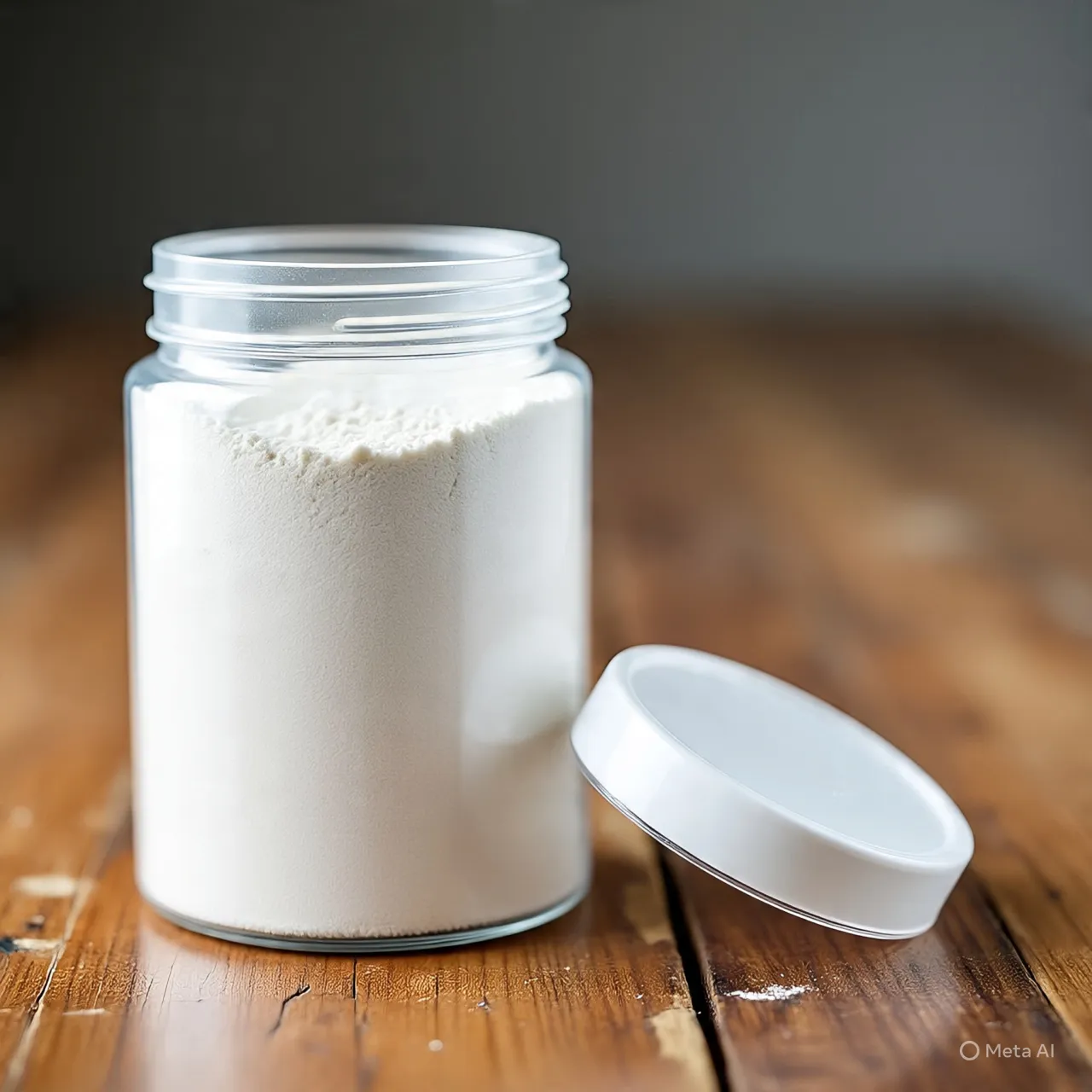
Journey Ingredient Intelligence
Cornstarch
For example, packaging made from materials like cornstarch, potato starch, and sugarcane can decompose within a few months.
A South American tree in the family Lecythidaceae.
Nutrition. Cornstarch has a nutrition profile of 1,728 kcal/lb, 1.18 g protein/lb, and 4.08 g fiber/lb.
Cost. Cornstarch is currently priced at $5.79/kg.
Sustainability. Journey AI evaluates ingredient sustainability using environmental indicators such as water usage, greenhouse gas emissions, and upcycled status.
Algae-based packaging is gaining attention as a sustainable alternative due to its minimal environmental impact. Algae grows rapidly and requires few resources, making it an ideal material for packaging. It can be processed into films and coatings that are biodegradable and can decompose naturally, reducing the risk of microplastic contamination.
Conclusion: Embracing Alternatives for a Cleaner Planet
As we look to the future, embracing sustainable alternatives to plastic packaging is crucial for mitigating the impact of microplastics and fostering a healthier planet. At Journey Foods, we are dedicated to supporting and advancing these innovative packaging solutions. Our AI-driven technology is pivotal in helping companies transition to more sustainable packaging options, including biodegradable materials, edible packaging, plant-based plastics, mushroom packaging, reusable containers, and algae-based alternatives.
Journey Foods provides a comprehensive solution by leveraging its extensive ingredient database and AI capabilities to evaluate and optimize sustainable packaging options. Our platform helps businesses identify the most effective materials, streamline the development process, and ensure compliance with environmental standards. By partnering with Journey Foods, companies can accelerate their transition to eco-friendly packaging solutions, reduce their environmental impact, and contribute to a cleaner, more sustainable world.
Explore these promising alternatives and consider how they can be incorporated into your life and business practices. Join us in the journey towards sustainable packaging solutions and share your thoughts on how these alternatives can help shape a cleaner future. With Journey Foods as your partner, we can work together to drive positive change and make a lasting impact on our planet.
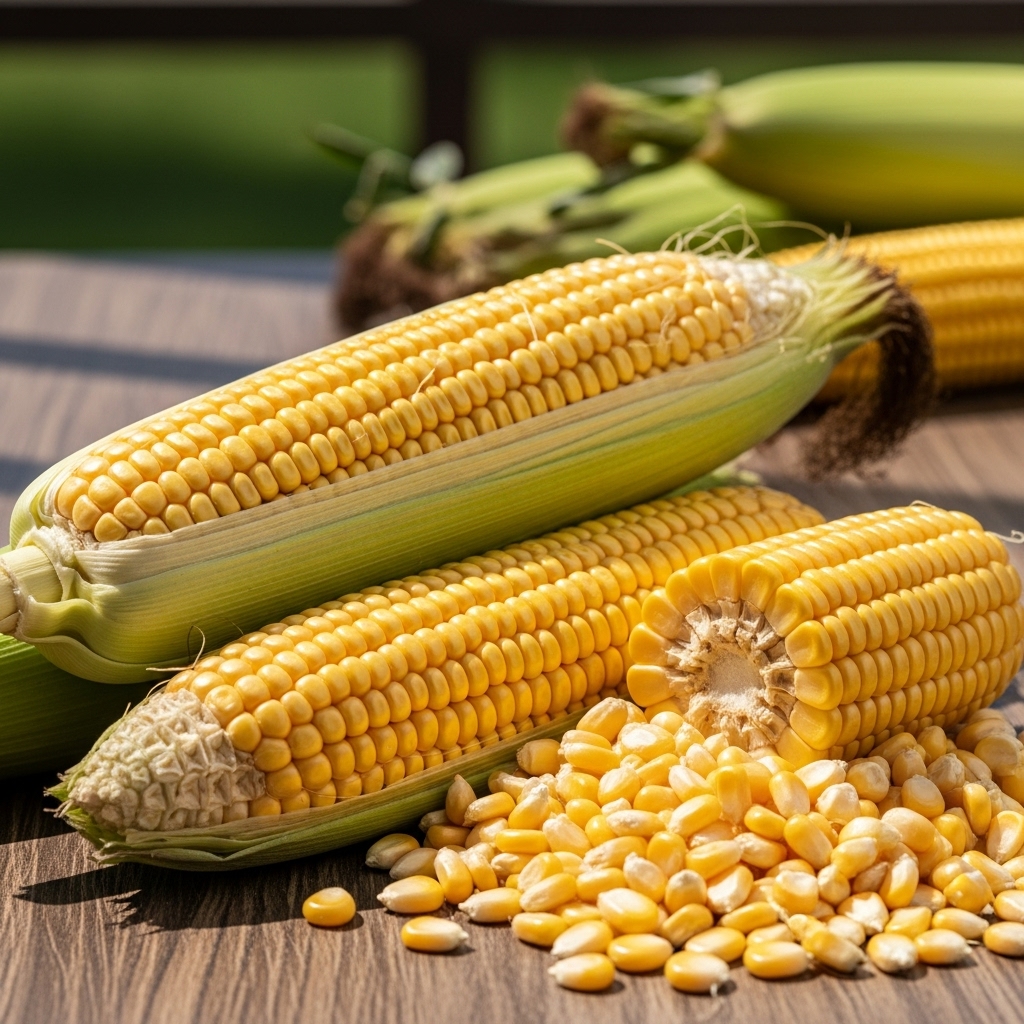
Journey Ingredient Intelligence
Corn
Plant-Based Plastics: Reducing Plastic Waste Plant-based plastics, or bioplastics, are derived from renewable resources such as corn, sugarcane, and algae.
A South American tree in the family Lecythidaceae.
Journey Ingredient Intelligence · Comparison
Potato Starch
Cornstarch
Data from this story