Supply chain risk
Supply chain risk data is currently unavailable for this ingredient. Journey AI evaluates supply, sourcing, and availability factors to help CPG teams assess ingredient risk.
A South American tree in the family Lecythidaceae.
Supply chain risk data is currently unavailable for this ingredient. Journey AI evaluates supply, sourcing, and availability factors to help CPG teams assess ingredient risk.
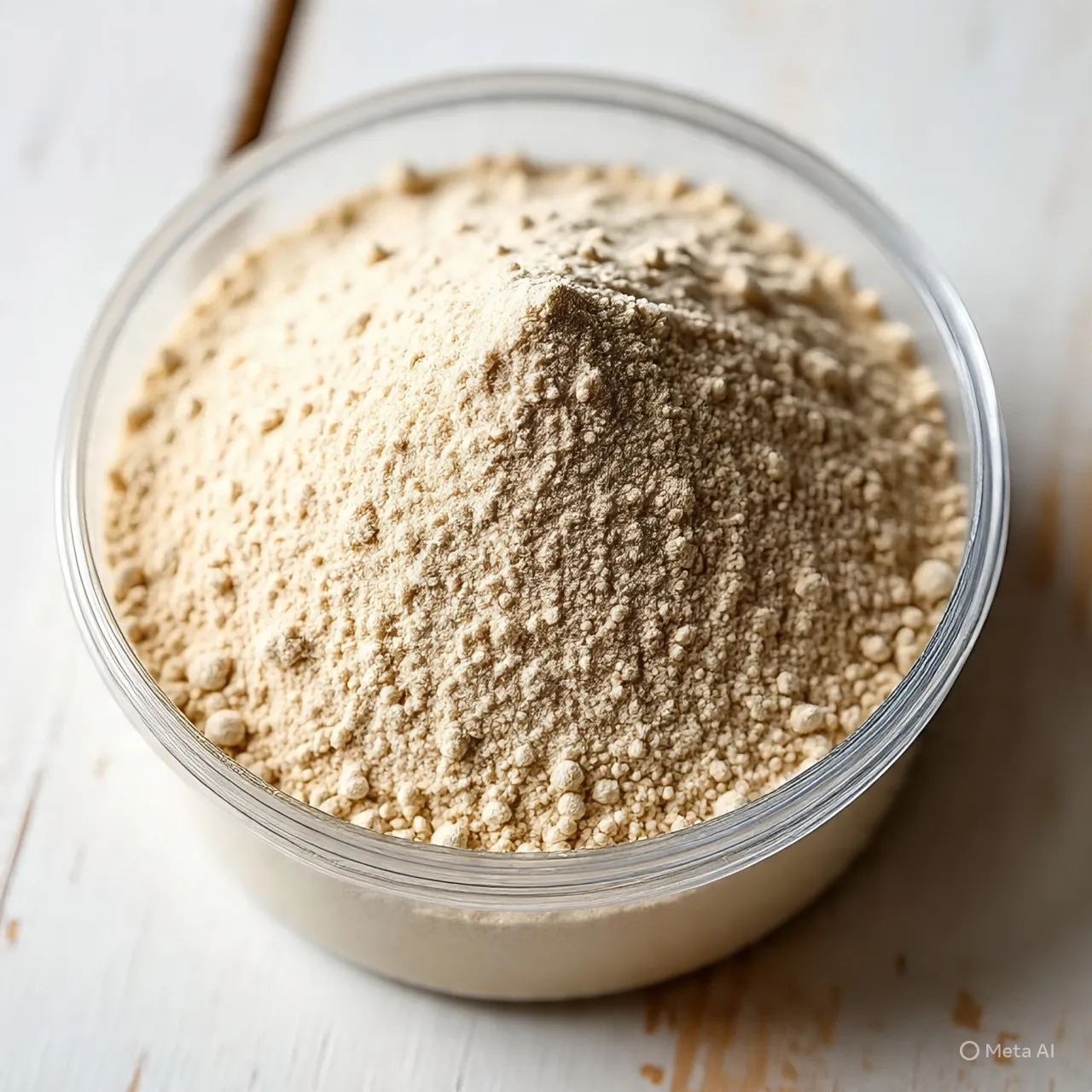
Sorghum Flour has a nutrition profile including 1701 kcal/lb calories, 37.51 g/lb protein, 27.22 g/lb fiber, and 8.62 g/lb total sugars. It also provides 16.28 g/lb total fat, 13.61 mg/lb potassium, and 1469.64 mg/lb iron.
Sorghum Flour is currently priced at $7.03/kg. Journey AI tracks ingredient pricing over time to help CPG teams monitor cost movement, identify pricing trends, and support sourcing and product development decisions.
Journey AI evaluates ingredient sustainability using environmental indicators such as water usage, greenhouse gas emissions, and upcycled status. These factors can help CPG teams compare ingredients and support sourcing decisions.
Sorghum Flour is commonly used in gluten-free breads, cookies, crackers, snacks, cereals, and other grain-based formulations.
This ingredient can be used in clean label formulations when its source, processing method, and labeling meet the requirements of the intended product. Final compatibility depends on formulation and application.
This ingredient is used as a food ingredient and is subject to applicable food safety, labeling, and ingredient regulations in the markets where it is sold. Regulatory requirements may vary by country and product application.
Sorghum Flour alternatives may include rice flour, oat flour, millet flour, corn flour, and other gluten-free grain flours.