
Quick answer
The recent explosion at a Louisville factory, caused by a failed cooking vessel, has brought attention to the processes involved in producing food ingredients. Givaudan, a leading name in food and beverage solutions, has already addressed the incident, but the event raises an important question for both consumers and industry professionals: How are food colorings made, and how can we ensure they are safe?
How Is Food Coloring Made? A Closer Look at Ingredients and Safety
The recent explosion at a Louisville factory, caused by a failed cooking vessel, has brought attention to the processes involved in producing food ingredients. Givaudan, a leading name in food and beverage solutions, has already addressed the incident, but the event raises an important question for both consumers and industry professionals: How are food colorings made, and how can we ensure they are safe?
The Basics of Food Coloring
Food coloring has been used for centuries to make food more visually appealing and enhance its marketability. The earliest colorings came from natural sources like saffron, beets, and turmeric. However, modern food production often relies on synthetic dyes due to their cost-effectiveness, vibrancy, and stability.
Food dyes generally fall into two categories:
- Natural Food Colorings
- Derived from plants, minerals, or other natural sources, these colorings include ingredients like:
- Carotenoids (orange/yellow hues from carrots or paprika)
- Anthocyanins (reds, blues, and purples from berries or grapes)
- Spirulina (a bright green-blue from algae)
- Derived from plants, minerals, or other natural sources, these colorings include ingredients like:
Journey Ingredient Intelligence
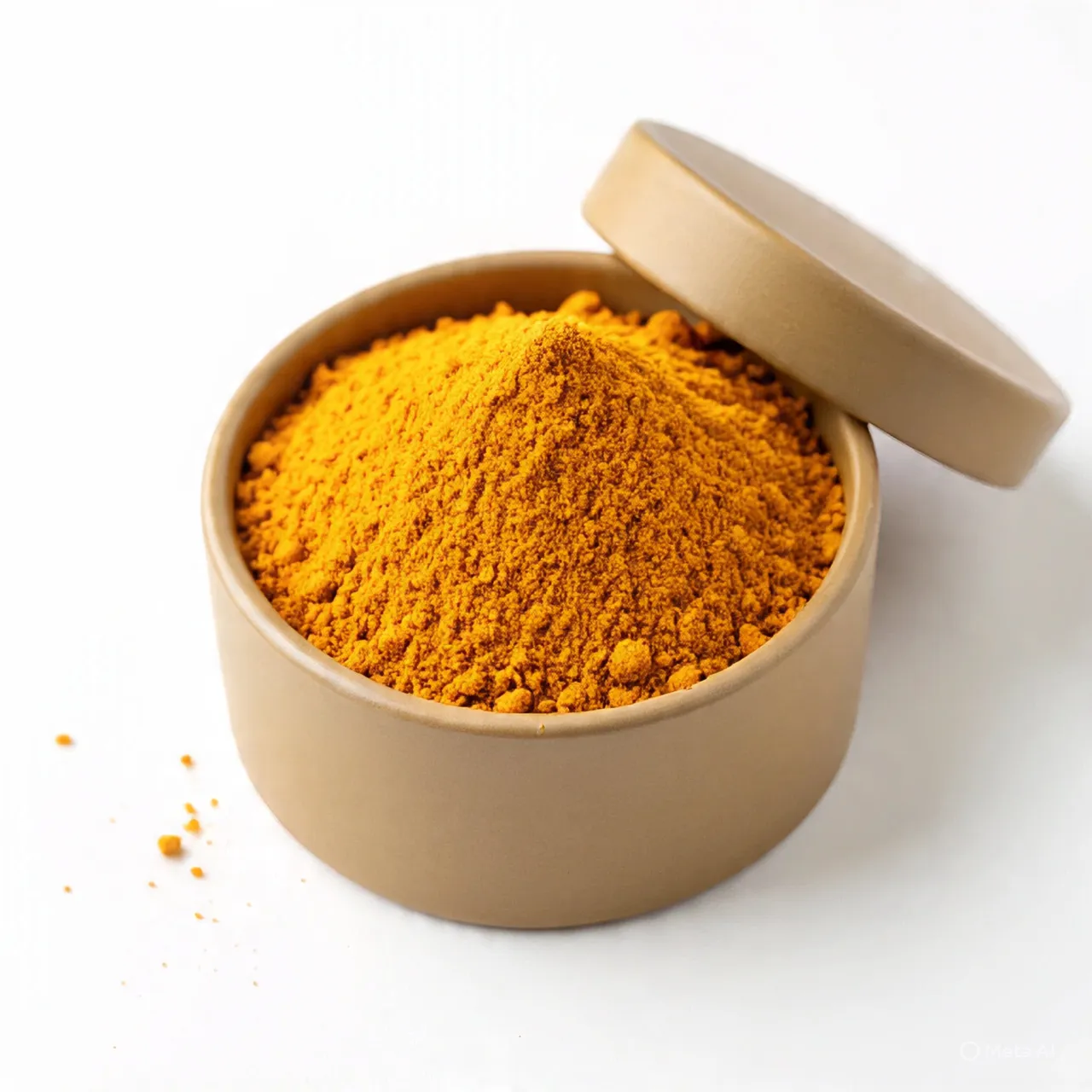
Turmeric
The earliest colorings came from natural sources like saffron, beets, and turmeric.
A South American tree in the family Lecythidaceae.
Nutrition. Turmeric has a nutrition profile including 1415 kcal/lb calories, 43.91 g/lb protein, 102.97 g/lb fiber, and 14.56 g/lb total sugars.
Cost. Turmeric is currently priced at $5.75/kg.
Sustainability. Journey AI evaluates ingredient sustainability using environmental indicators such as water usage, greenhouse gas emissions, and upcycled status.
- Made from petroleum-based compounds, these dyes are engineered for vibrancy and durability.
- Examples include FD&C Yellow No. 5 or Red No. 40, commonly used in processed foods. While approved by regulatory bodies like the FDA, synthetic dyes often face scrutiny for potential health concerns or environmental impact.
The Manufacturing Process
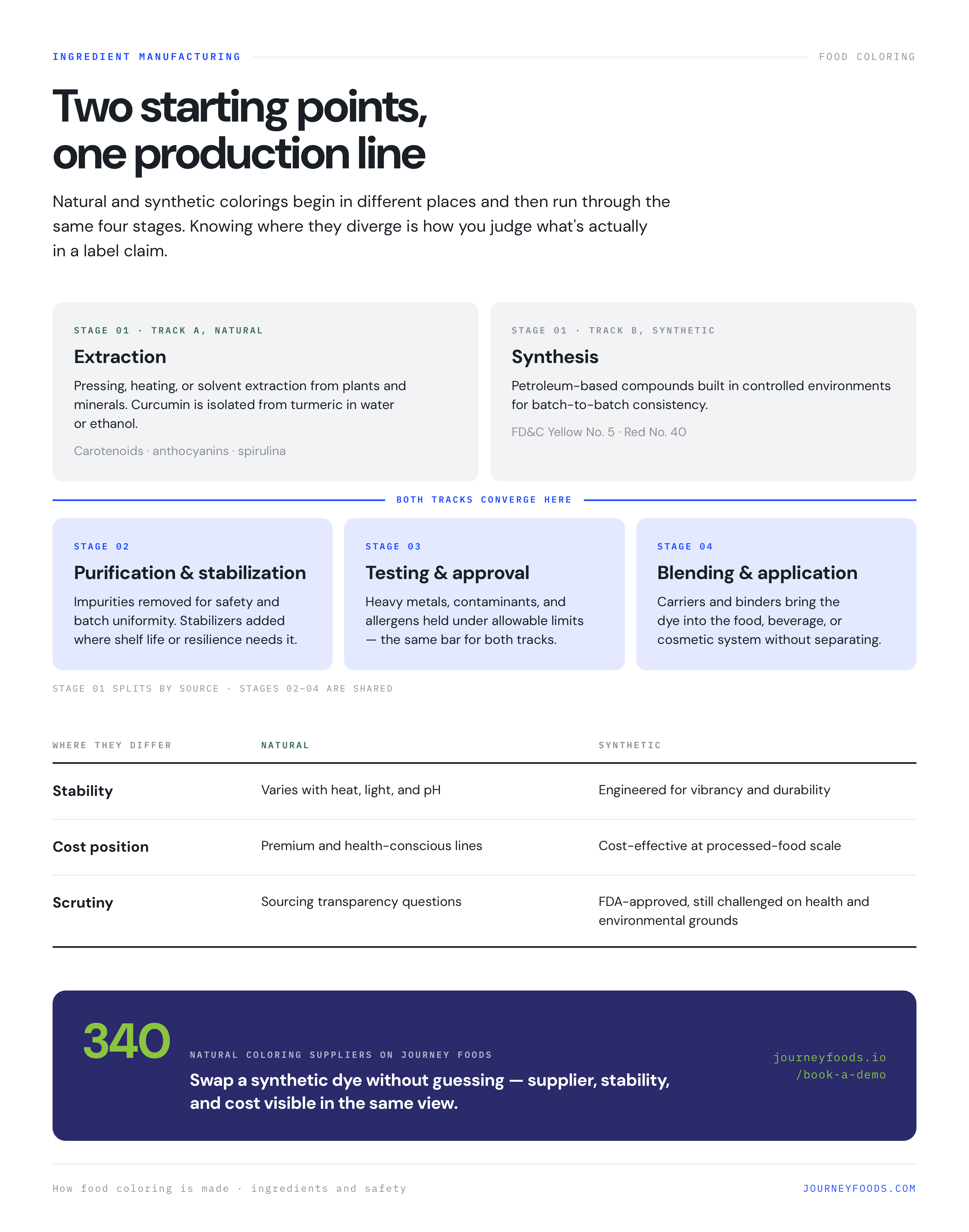
Whether natural or synthetic, food coloring production involves rigorous steps:
- Extraction or Synthesis
- Natural colors are extracted from raw materials using techniques like pressing, heating, or solvent extraction. For example, curcumin, the bright yellow pigment in turmeric, is isolated through water or ethanol extraction.
- Synthetic dyes are chemically synthesized in controlled environments to ensure consistency.
Journey Ingredient Intelligence
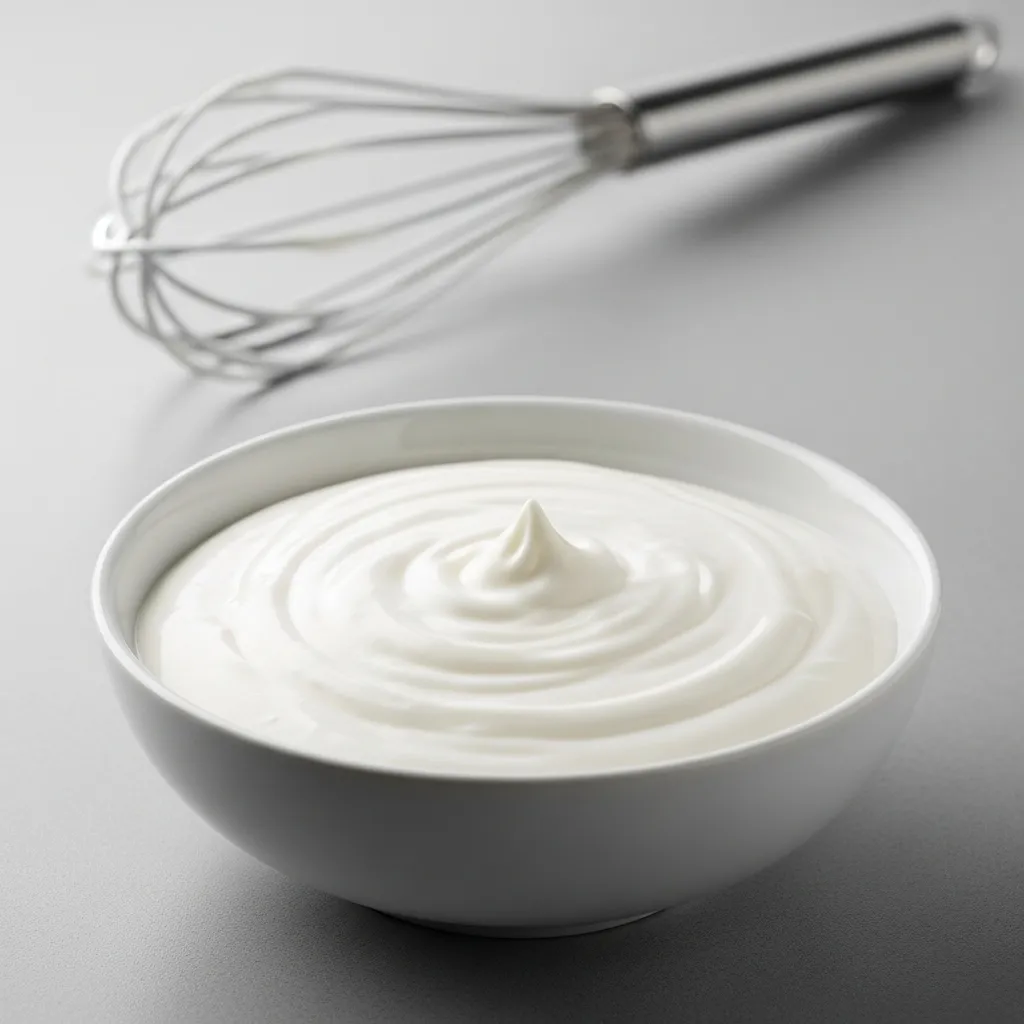
Heavy Cream
Regulators ensure they do not exceed allowable levels of heavy metals, contaminants, or allergens.
A South American tree in the family Lecythidaceae.
Nutrition. Heavy Cream has a nutrition profile of 1,527 kcal/lb, 12.70 g protein/lb, and 13.15 g total sugars/lb.
Cost. Heavy Cream is currently priced at $8.75/kg.
Sustainability. Journey AI evaluates ingredient sustainability using environmental indicators such as water usage, greenhouse gas emissions, and upcycled status.
- After extraction, impurities are removed to ensure safety and uniformity. Stabilizers may be added to improve shelf life or resilience.
- Both natural and synthetic colorings undergo testing to meet food safety standards. Regulators ensure they do not exceed allowable levels of heavy metals, contaminants, or allergens.
- Once ready, dyes are mixed with carriers or binders to ensure they integrate seamlessly into food products, beverages, or even cosmetics.
Ensuring Safety and Sustainability
While color is an essential part of the food experience, consumers are increasingly concerned about the ingredients behind that vibrancy. The Louisville explosion underscores the importance of prioritizing safe, sustainable processes in ingredient manufacturing.

Journey Ingredient Intelligence
Carrots
Food dyes generally fall into two categories: Natural Food Colorings Derived from plants, minerals, or other natural sources, these colorings include ingredients like:…
The edible seed of a drupe of any tree of the genus Juglans.
What Can You Do as a Consumer?
- Read Labels: Look for "natural coloring" or plant-based alternatives if you prefer cleaner options.
- Research Brands: Opt for companies that prioritize transparency and sustainability in their ingredient sourcing.
How Journey Foods Supports Safer Ingredients
At Journey Foods, we understand the complexities of ingredient sourcing and safety. With our extensive database of over 340 natural ingredient coloring suppliers, we help food manufacturers identify and implement cleaner, safer alternatives to synthetic dyes. By leveraging AI and deep insights into supply chains, we empower companies to make informed decisions, reduce waste, and create products that consumers trust.
Food coloring is just one example of how the right ingredients can shape the future of food. As the industry evolves, we remain committed to making that future more sustainable, natural, and safe for everyone.
Let us help you innovate your next product. Contact us today to learn more about how we can support your ingredient needs.

Journey Ingredient Intelligence
Oranges
Food dyes generally fall into two categories: Natural Food Colorings Derived from plants, minerals, or other natural sources, these colorings include ingredients like:…
Dried berries from the Lycium barbarum plant.
Journey Ingredient Intelligence · Comparison
Turmeric
Heavy Cream
Data from this story