Xanthan Gum in Food Formulation: Nutrition, Cost, and Sustainability Breakdown for CPG Teams


Quick answer
Quick Answer: Xanthan gum is one of the most versatile hydrocolloids in CPG formulation — but evaluating it on texture alone leaves money and margin on the table. Here's a full breakdown across nutrition, cost, and sustainability so your team can make a faster, better-informed call.
What Xanthan Gum Actually Is
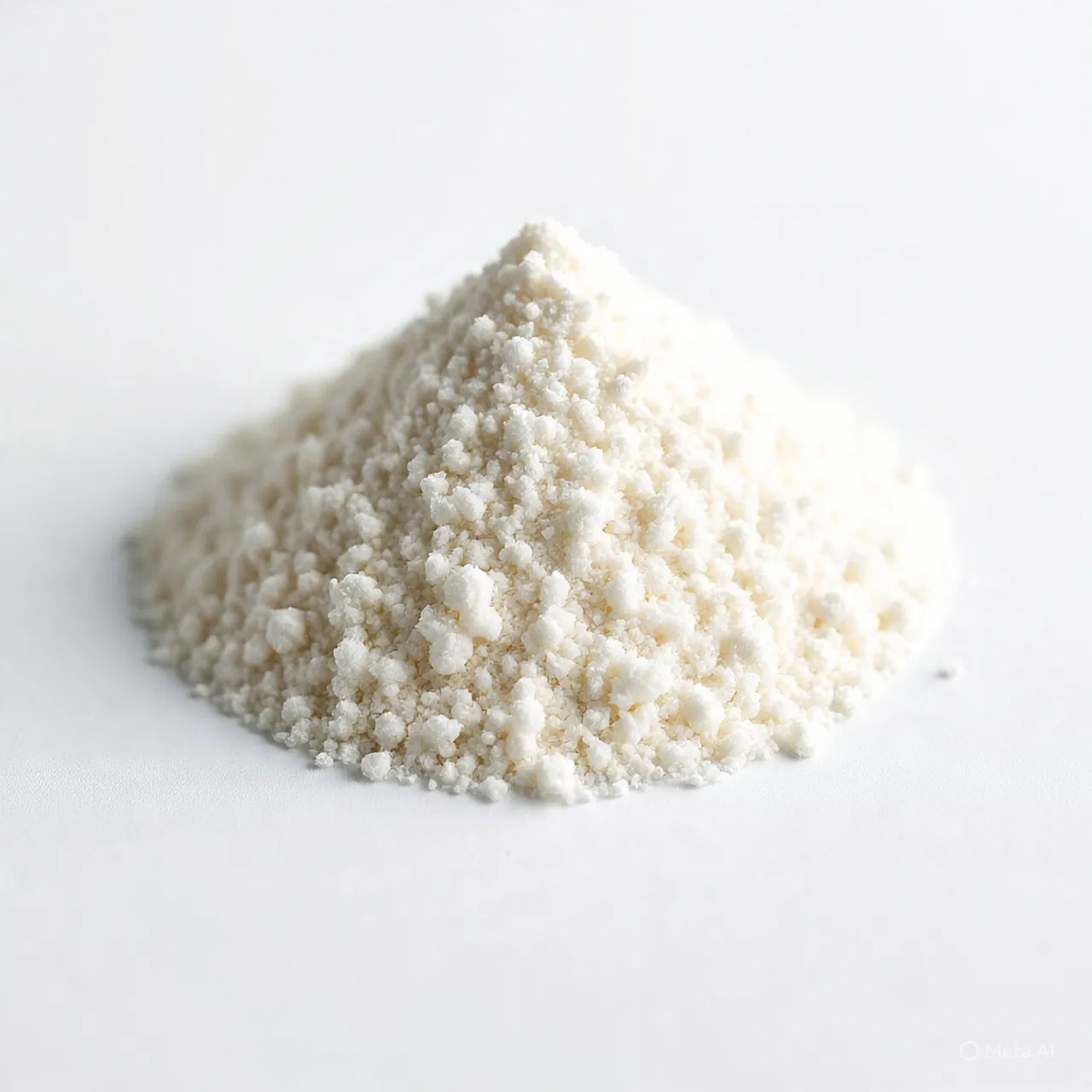
Xanthan gum is a polysaccharide produced through aerobic fermentation of simple sugars by Xanthomonas campestris. The resulting polymer is precipitated with isopropanol or ethanol, dried, and milled into the off-white powder that shows up on your spec sheets.
Regulatory status is solid. FDA classifies it as GRAS, and it carries E415 designation under EU food additive regulations. EFSA completed a re-evaluation and confirmed safety at current use levels — regulatory clarity that matters when you're moving a product across multiple markets.
It's gluten-free and vegan, which is why it became a structural workhorse in plant-based and allergen-free development. It's not derived from any major allergen group, and it survives a wide range of processing conditions — a detail that matters more than most formulators initially expect.
Functional Role: Where Xanthan Gum Does Its Work
Thickening and Viscosity Control
At concentrations as low as 0.1% to 0.5% by weight, xanthan gum builds significant viscosity. It's pseudoplastic — viscosity drops under shear (pumping, mixing, pouring) and recovers when shear is removed. That's exactly what you want in a pourable dressing that clings to a salad but flows cleanly from a bottle.
Stabilization and Suspension
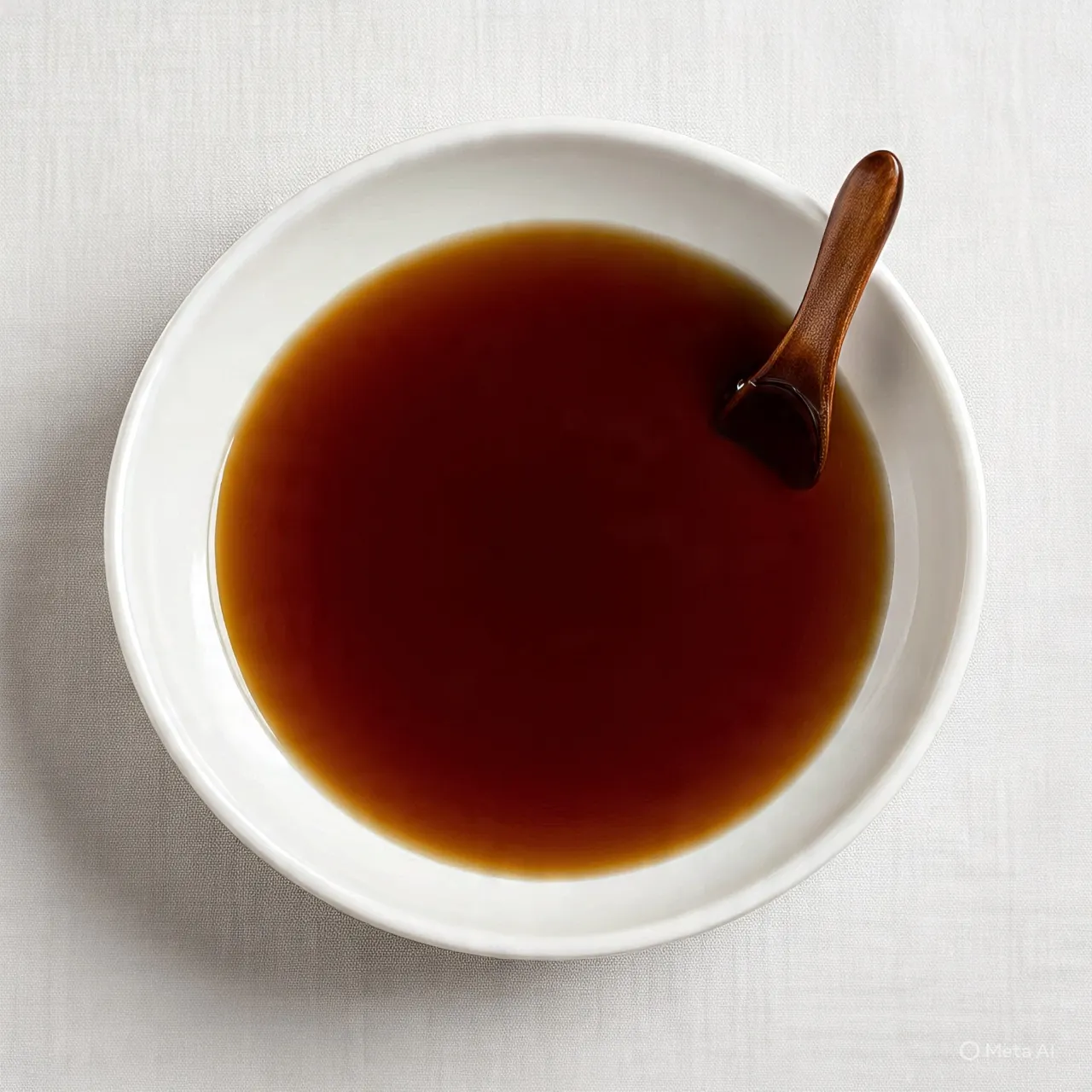
Xanthan gum prevents particle settling in sauces, beverages, and dressings. It holds fat droplets in suspension and keeps insoluble solids distributed through a liquid matrix. At low use levels, it extends shelf life by maintaining emulsion stability without requiring additional emulsifiers.
Gluten Replacement and Structural Support
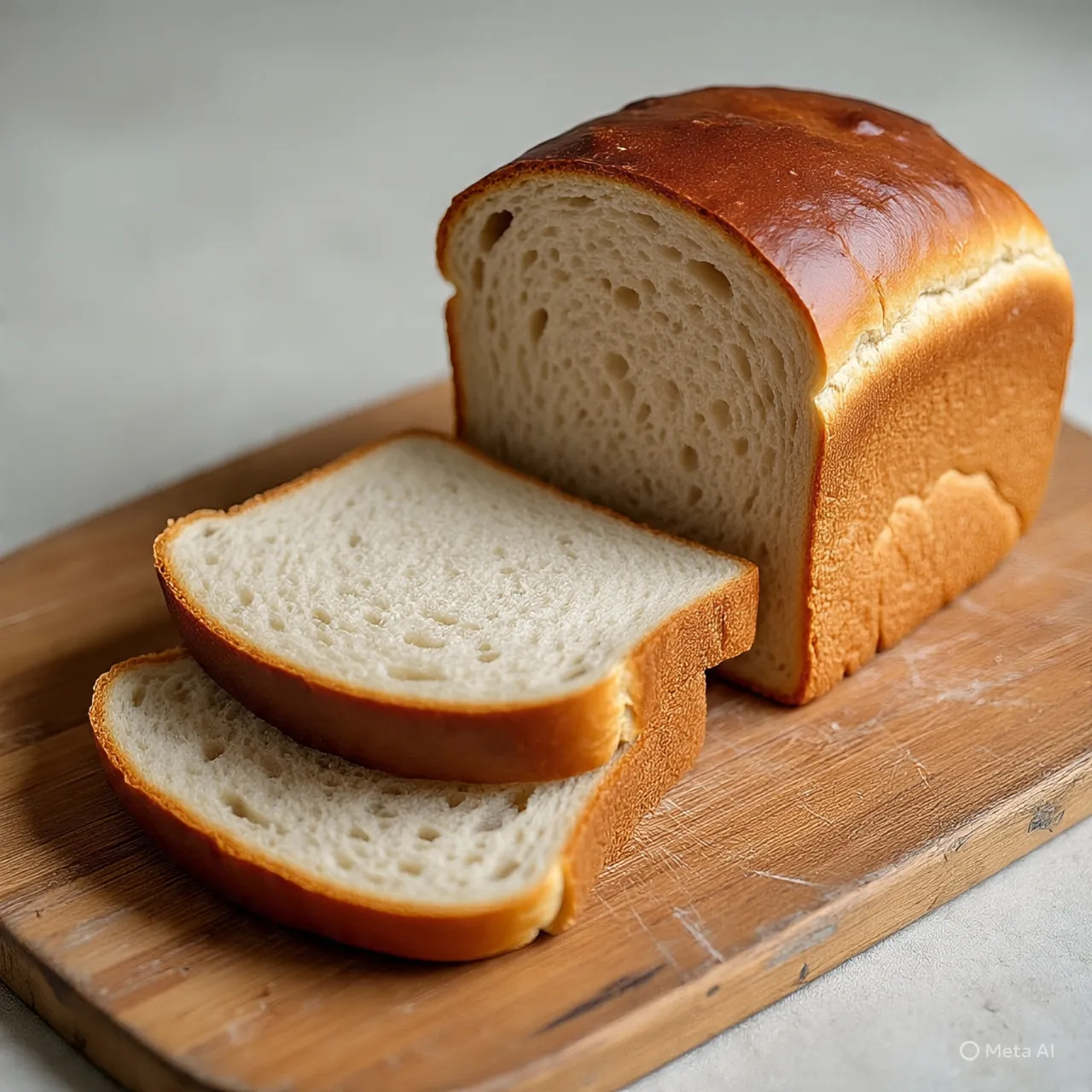
In gluten-free baked goods, xanthan gum partially replicates the viscoelastic network that gluten provides — trapping gas bubbles, improving crumb structure, and reducing the gummy or crumbly texture common in early-generation gluten-free products. Typical use levels in gluten-free bread run from 0.5% to 1.0% of flour weight.
Typical Use Levels by Application
ApplicationTypical Use LevelSalad dressings and sauces0.1% to 0.3%Gluten-free baked goods0.5% to 1.0%Plant-based dairy alternatives0.1% to 0.5%Frozen foods (freeze-thaw stability)0.1% to 0.3%Beverages and protein shakes0.05% to 0.2%
These are starting points. Your specific formulation, pH, temperature profile, and co-ingredient interactions will all shift the effective use level.
Nutrition Profile: What the Label Says
At typical use levels, xanthan gum contributes negligible calories. Most regulatory frameworks classify it as dietary fiber, so it can contribute to fiber content on a Nutrition Facts panel — though the amounts at standard use levels are small.
Journey Ingredient Intelligence
Xanthan Gum
What Xanthan Gum Actually Is Xanthan gum is a polysaccharide produced through aerobic fermentation of simple sugars by Xanthomonas campestris .
A South American tree in the family Lecythidaceae.
Nutrition. Xanthan Gum has a nutrition profile including 1701 kcal/lb calories, 1.36 g/lb protein, 4.08 g/lb fiber, and 0.00 g/lb total sugars.
Cost. Xanthan Gum is currently priced at $33.55/kg.
Sustainability. Journey AI evaluates ingredient sustainability using environmental indicators such as water usage, greenhouse gas emissions, and upcycled status.
No protein, no fat, no meaningful micronutrients. From a PDCAAS or amino acid profile perspective, it's irrelevant. What it does affect is texture perception, which has downstream effects on satiety signaling and palatability — factors that matter in better-for-you development even when they don't appear directly on the label.
For clean-label formulations, xanthan gum sits in an interesting position. It's recognizable to informed consumers, and it draws scrutiny in the "free from" segment. Some brands have moved to psyllium husk or guar gum for cleaner ingredient decks, though both carry their own trade-offs in texture performance and cost.
Cost and Sourcing: What Drives the Price
Xanthan gum is produced commercially at scale — primarily in China, with additional capacity in the US and Europe. The global market is growing at roughly 5–7% CAGR, driven by demand across food, oil and gas, and personal care. Food applications represent the largest end-use segment.
Feedstock Sensitivity
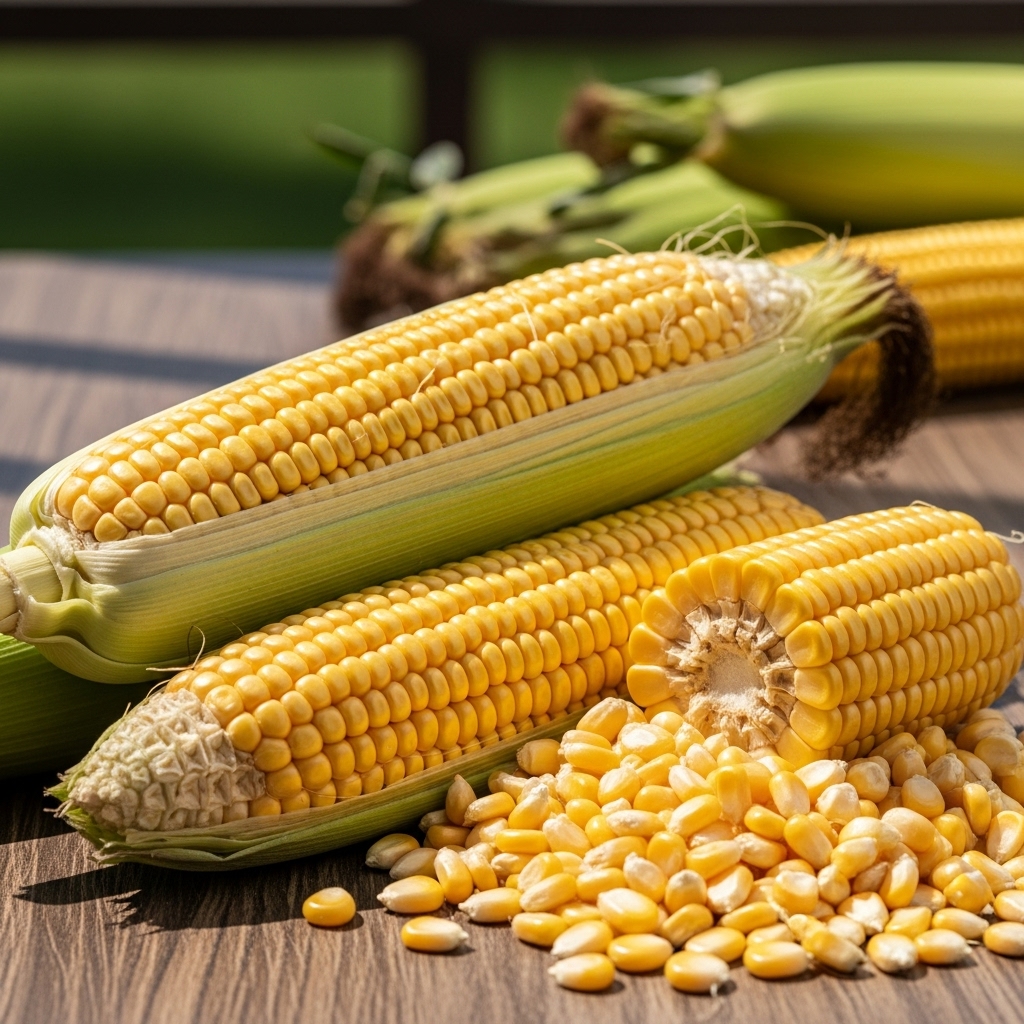
The fermentation substrate — typically glucose or sucrose derived from corn or sugarcane — is the primary cost driver. When corn prices spike or sugar markets tighten, xanthan gum prices follow. The relationship isn't always immediate, but it's consistent over time.
Downstream processing costs (precipitation, drying, milling) add to the picture, and purity grade affects price. Food-grade xanthan runs at a different price point than technical-grade, and mesh size affects solubility and dispersibility — which matters on your process line.
Sourcing Concentration Risk
A significant share of global supply originates from a small number of large Chinese manufacturers. That concentration creates exposure to trade policy shifts, freight volatility, and quality consistency issues that teams sourcing purely on unit cost sometimes discover late in the development cycle.
Dual-sourcing or qualifying a secondary supplier isn't a theoretical best practice here. It's a practical risk management step.
Sustainability: The Fermentation Story Is More Complicated Than It Looks
Xanthan gum is often positioned as a greener alternative to petroleum-derived thickeners because it's bio-based. That framing is directionally correct — but incomplete.
What Makes It Relatively Favorable
Fermentation-based production doesn't depend on petroleum extraction. The carbon in xanthan gum originates from agricultural feedstocks, which are renewable. Compared to synthetic polymers used in industrial applications, the bio-based origin is a genuine sustainability advantage.
Where the Story Gets More Complex
The fermentation process requires energy for aeration, temperature control, and downstream processing. The isopropanol or ethanol used for precipitation needs to be recovered and recycled — a step that varies in efficiency across production facilities. Scope-3 emissions from agricultural feedstock production add another layer that standard supplier data sheets rarely capture.
Journey Ingredient Intelligence
Soy Sauce
Stabilization and Suspension Xanthan gum prevents particle settling in sauces, beverages, and dressings.
A liquid sauce made from fermented soybeans (Glycine max), wheat, and yeast.
Nutrition. Soy Sauce has a nutrition profile of 240 kcal/lb, 36.92 g protein/lb, 3.63 g fiber/lb, and 1.81 g total sugars/lb.
Cost. Soy Sauce is currently priced at $6.45/kg.
Sustainability. Journey AI evaluates ingredient sustainability using environmental indicators such as water usage, greenhouse gas emissions, and upcycled status.
Emerging research is exploring waste-derived substrates — agricultural residues, food processing byproducts — as fermentation inputs. If that substrate shift scales commercially, it would meaningfully improve the lifecycle profile of xanthan gum. As of 2026, it remains largely at the research and pilot stage.
For CPG teams with science-based targets or scope-3 reporting commitments, "bio-based" isn't sufficient as a sustainability claim. You need production-specific data to make that case credibly.
Scoring Xanthan Gum Across All Three Dimensions at Once
This is where most ingredient evaluation processes break down.
Your food scientist evaluates xanthan gum for texture performance. Procurement runs a separate cost analysis. Your sustainability lead checks a separate database for environmental data. Those three assessments rarely land on the same desk at the same time — and the formulation decision gets made on whichever input arrived first.
That sequencing problem is exactly what Journey Foods' Operations Scientist is built to eliminate. Rather than running nutrition, cost, and sustainability through separate workflows, the platform scores ingredients across all three dimensions simultaneously. You can query xanthan gum against alternatives — guar gum, locust bean gum, psyllium, methylcellulose — and see how they compare on the criteria that actually drive your formulation decision, not just the criteria your current toolset happens to surface.
Real-time supply chain alerts flag when sourcing concentration risk or feedstock price trends shift the cost picture. Formulation versioning keeps your team working from the same data rather than reconciling three different spreadsheets after the fact.
For a single ingredient like xanthan gum, that might feel like more infrastructure than the decision requires. But xanthan gum rarely exists in isolation. It sits inside a formulation with 15 other ingredients, each carrying its own cost exposure, sustainability profile, and regulatory status. The value of simultaneous scoring compounds across the full ingredient deck.
Learn more about how the platform handles ingredient evaluation at Journeyfoods.io.
FAQs
What is xanthan gum made from?
Xanthan gum is produced through aerobic fermentation of simple sugars — typically glucose or sucrose — by the bacterium Xanthomonas campestris. The polysaccharide is precipitated, dried, and milled into powder form.
Is xanthan gum safe to use in food products?
Yes. FDA classifies it as GRAS, and it holds E415 status under EU food additive regulations. EFSA completed a safety re-evaluation and confirmed it safe at current use levels.
Journey Ingredient Intelligence
Corn
Feedstock Sensitivity The fermentation substrate — typically glucose or sucrose derived from corn or sugarcane — is the primary cost driver.
A South American tree in the family Lecythidaceae.
What is the typical use level for xanthan gum in sauces and dressings?
Most sauce and dressing applications use xanthan gum at 0.1% to 0.3% by weight. The pseudoplastic behavior at these concentrations provides good pourability while maintaining suspension and cling.
Why does xanthan gum cost vary so much between suppliers?
Price variation reflects feedstock costs (primarily corn or sugarcane-derived glucose), production location, purity grade, and mesh size. Chinese manufacturers dominate global supply, so trade policy and freight conditions also affect delivered cost.
Is xanthan gum a clean-label ingredient?
It depends on your target consumer and brand positioning. Xanthan gum is bio-based, gluten-free, and vegan — but some clean-label and "free from" consumers scrutinize it. Psyllium husk and guar gum are sometimes used as substitutes, though each carries different texture performance and cost trade-offs.
How does xanthan gum perform on sustainability metrics?
The bio-based origin is a genuine advantage over petroleum-derived thickeners. But fermentation energy use, solvent recovery efficiency, and agricultural feedstock emissions all affect the full lifecycle picture. Supplier-specific production data is what you actually need to make credible sustainability claims.
How can CPG teams evaluate xanthan gum against alternatives efficiently?
Simultaneous scoring across nutrition, cost, and sustainability is the most efficient approach. Journey Foods' Operations Scientist lets ingredient teams compare xanthan gum against functional alternatives on all three dimensions in a single workflow — rather than running separate analyses that rarely align.
What to Do With This
Xanthan gum isn't a complicated ingredient to formulate with. It's a complicated ingredient to source and justify at scale — especially when your brand carries sustainability commitments, your procurement team is watching fermentation feedstock markets, and R&D is fielding clean-label pressure from marketing.
The formulation decision and the sourcing decision aren't separate. Neither is the sustainability question. If your current process treats them as three different workstreams, that's where time and margin are disappearing.
Book a demo at Journeyfoods.io to see how the Operations Scientist scores xanthan gum and its alternatives across all three dimensions in one place.
Journey Ingredient Intelligence
Bread (Whole Wheat)
Typical use levels in gluten-free bread run from 0.5% to 1.0% of flour weight.
A South American tree in the family Lecythidaceae.
Nutrition. Bread (Whole Wheat) has a nutrition profile based on the current Journey Foods nutrition table: Calories: 1152 kcal/lb, Protein: 55.79 g/lb, Fiber: 27.22 g/lb, Total S…
Cost. Bread (Whole Wheat) is currently priced at $5.73/kg.
Sustainability. Bread (Whole Wheat): Journey AI evaluates ingredient sustainability using environmental indicators such as water usage, greenhouse gas emissions, and upcycled status.
As published
0.1%
Journey Ingredient Intelligence · Comparison
Xanthan Gum
Soy Sauce
Data from this story
Shareable Journey Intelligence
Xanthan Gum in Food Formulation: Nutrition, Cost, and Sustainability Breakdown for CPG Teams
Ingredients
0.1%
Functional Role: Where Xanthan Gum Does Its Work Thickening and Viscosity Control At concentrations as low as 0.1% to 0.5% by weight, xanthan gum builds significant viscosity.
0.5%
Typical use levels in gluten-free bread run from 0.5% to 1.0% of flour weight.