

Journey Foods
Journey Foods Team News
115 articles on The Pie
 Labeling & Nutrition
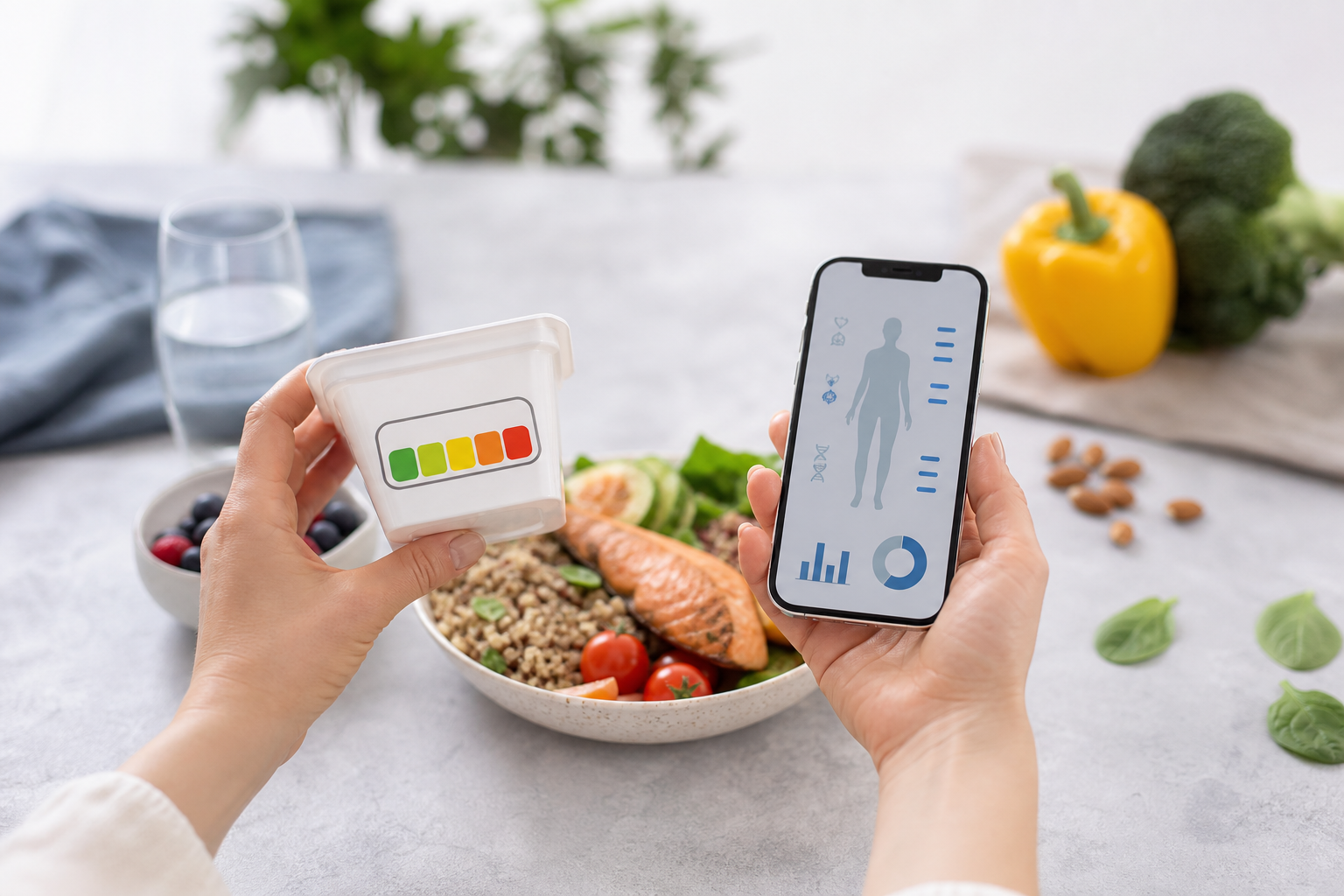
Poland Just Said No to Nutri-Score: Why One-Size-Fits-All Nutrition Labels Can't Work, and Why Personalized, Data-Driven Nutrition Is the Better Path
In September 2026, Poland's Ministry of Health made a decision that most of the food industry noticed but few have fully processed. After consulting 25 industry and scientific organizations, 22 of them opposed Nutri-Score front-of-pack labeling. The Ministry responded by formally initiating a withdrawal. No new Nutri-Score products after December 31, 2028. Existing stock off shelves by December 31, 2030. Reported through IGI Food Law and Rynek Zdrowia, this is one of the clearest regulatory signals yet that a single letter on a package cannot carry the weight we've asked it to carry.
 Labeling & Nutrition
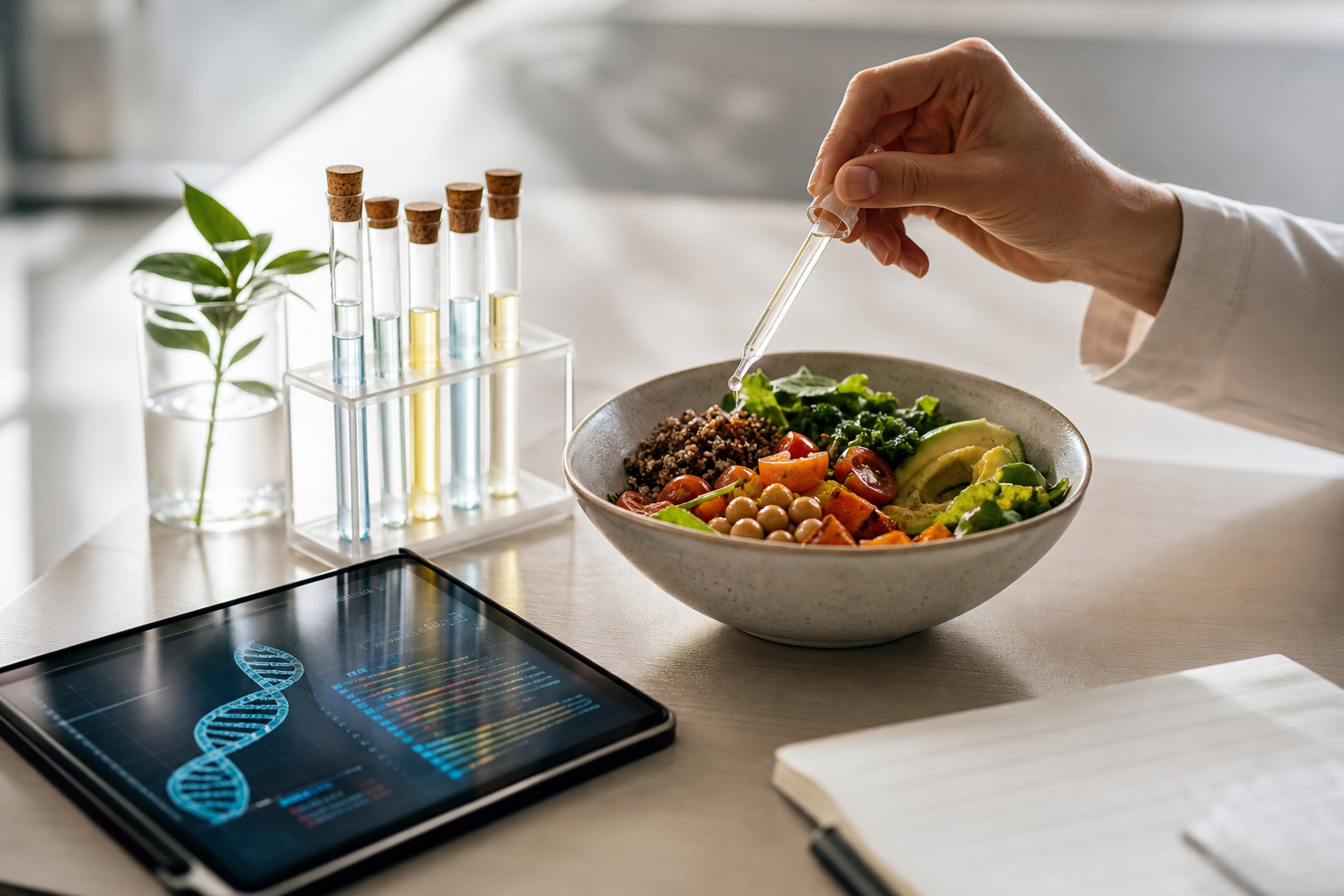
Why Food and Nutrition Will Fail Without More Data: A Founder's Case for Personalization
I've spent years at the intersection of nutrigenetics, food science, and technology. The longer I sit here, the more convinced I become of one thing: the food and nutrition industry is making consequential decisions on structurally inadequate data.
 Ingredients
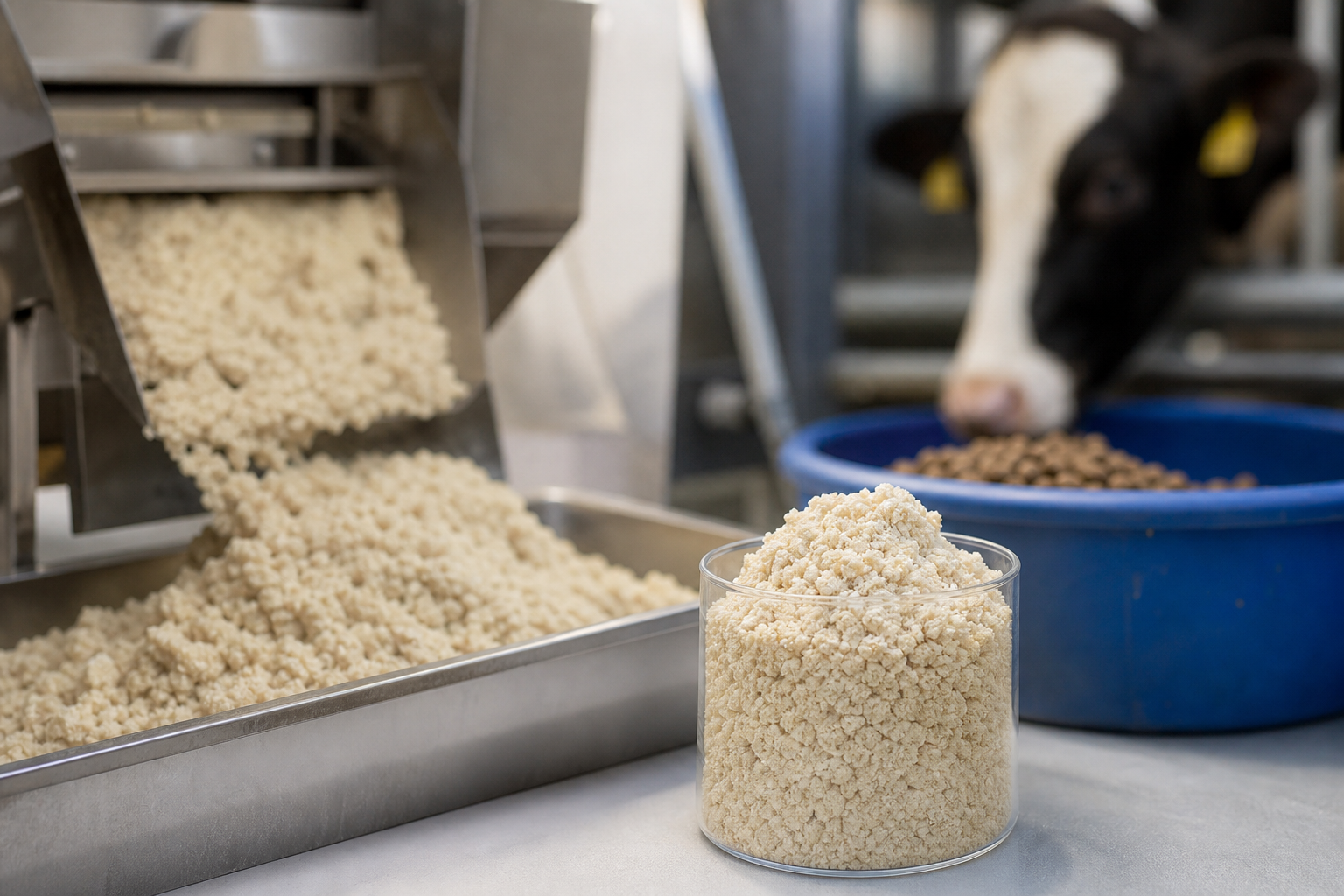
From Tofu Press to Feed Trough: Why FDA's New Animal Food Review Rules Matter for Upcycled Ingredients
You have a byproduct. It is nutritious, available in volume, and currently going to compost or landfill — because turning it into a consistent, sellable ingredient is harder than it looks.
 Industry Insights
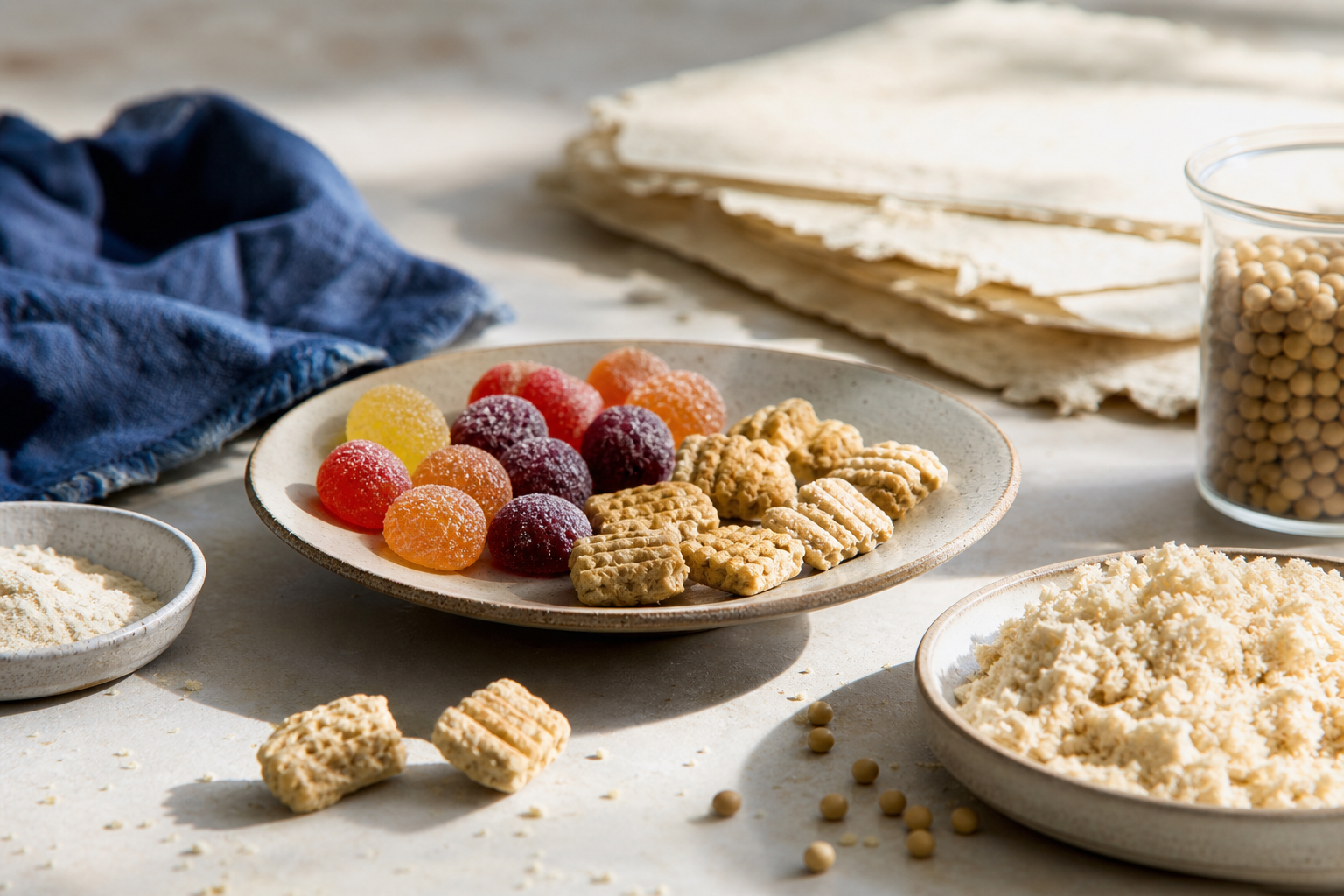
Rotten Candy, Upcycled Pulp, and the End of the Pastel Aisle: What Okara Can Learn From Candy's Taste-First Playbook
You've seen the pastel aisle. Soft sage green. Muted cream. A sans-serif font that whispers "wellness." Somewhere in the ingredient list, buried between oat fiber and sunflower lecithin, is the upcycled byproduct that was supposed to be the whole point.
 Industry Insights
Probiotic Ingredient Growth in 2026: What Rising CAGR and Cost Trends in Lactobacillus and Probiotic Ingredients Mean for CPG Formulation
The probiotic ingredient market is growing fast in 2026 — but the headline CAGR numbers tell only part of the story. For R&D and procurement teams formulating with Lactobacillus strains and other probiotic ingredients, the more pressing questions are about cost volatility, supplier variance, and how to make sourcing decisions when the category is moving this quickly.
 Industry Insights
California's New Non-UPF Certified Label (AB 2244): What It Actually Requires, and What CPG Brands and Suppliers Should Do Now
California Governor Gavin Newsom signed AB 2244 on September 28, 2026, creating the nation's first state-level "Non-Ultraprocessed (UPF) Certified" seal program for food products sold in California. Authored by Assemblymember Jesse Gabriel, the bill is now Chapter 721, Statutes of 2026.
 Industry Insights
California's New 'Non-Ultraprocessed Certified' Label (AB 2244): What It Means for CPG Reformulation, Ingredient Sourcing, and Supplier Risk
Quick Answer: California's AB 2244, signed into law on September 28, 2026, creates the nation's first government-backed voluntary "Non-Ultraprocessed Certified" seal. Certification agents can begin certifying products no later than June 1, 2028. For CPG R&D and procurement teams, the clock is already running. Key Takeaways: - The retailer shelf-placement requirement is a commercial incentive, not just a compliance checkbox. Retailers with over $10 million in annual gross sales carrying more than 25 certified products must prominently display at least 3 of them — endcap, checkout aisle, or entrance. - CDPH hasn't published the UPF definition yet. That means the window to understand your exposure, identify flagged ingredients, and evaluate supplier alternatives is now — before the rules are finalized. - This is a formulation data problem as much as a regulatory one. Teams that can map their current SKUs against likely UPF criteria before 2028 will have a meaningful head start on reformulation.
 Industry Insights
California's New Non-UPF Label (AB 2244): What CPG Formulators Need to Know Before 2029
California just created the country's first state-backed "Non-Ultraprocessed Certified" food label. If you're in R&D or product development at a CPG brand, this isn't an immediate compliance deadline — but it's a strategic signal worth taking seriously.
 AI & Food Tech
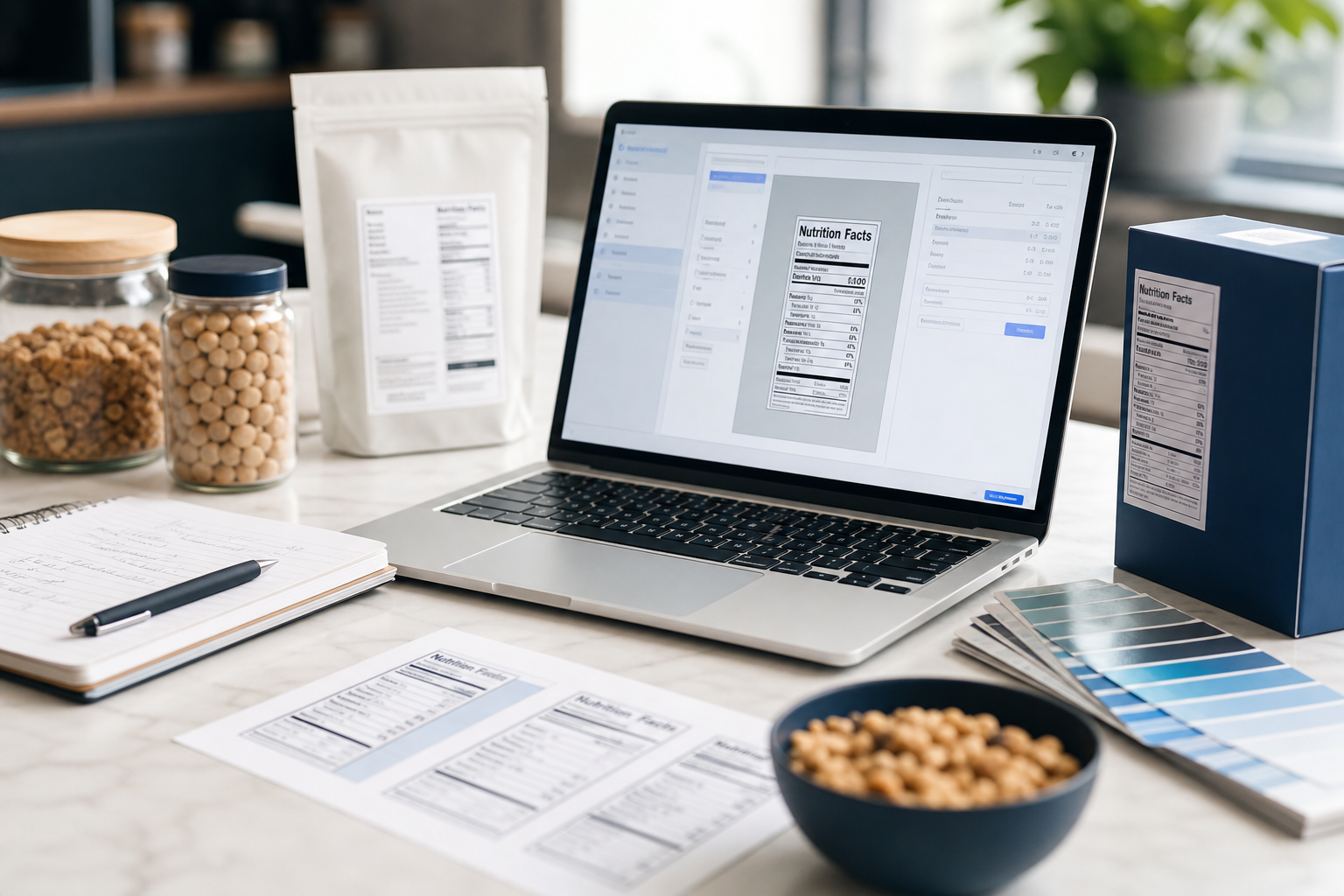
Food Label Generator Tools: What CPG Teams Actually Use
A food label generator creates FDA-compliant nutrition panels from recipe inputs. CPG teams choose among AI-enabled cloud tools, traditional enterprise software, and free printable templates based on compliance depth, allergen automation, and export needs. The right pick depends on label volume, regulatory complexity, and whether cost-in-use analysis is part of your workflow.
 Food Safety
Food Safety Compliance Software: A Plain-Language Primer
Food safety compliance software automates HACCP planning, traceability logging, audit checklists, and supplier management so teams can replace paper records and stay ready for FDA and GFSI inspections. HACCP (Hazard Analysis and Critical Control Points) is the process-control framework regulators and certification bodies use to verify that food businesses identify and manage safety risks. FSMA 204 is the FDA's Food Traceability Rule. GFSI (Global Food Safety Initiative) is the umbrella body that recognizes certification schemes such as SQF and BRCGS.
 Labeling & Nutrition
Nutrition Labeling Software: What Growing CPG Teams Need
You're evaluating nutrition labeling software because a spreadsheet, a PDF template, or a one-off label service is no longer cutting it. Maybe you're adding SKUs, entering a new market, or facing a reformulation that touches allergen declarations across three regions. The stakes are real: the FDA recorded 241 recalls and alerts for food and beverages in 2024, and compliance management accounts for 28.5% of the food labeling software market.
 Industry Insights
The Old CPG Growth Playbook Is Broken: What McKinsey's Private Label Report Means for R&D and Sourcing Teams
You know the playbook. Scale distribution. Increase ad spend. Ship an incremental line extension. Repeat.
 Supply Chain
Cooking at Home vs Eating Out: The Real Cost Breakdown in 2026
The average American household now spends over $4,000 a year eating out. Read that again.
 Sustainability
Food Packaging Sustainability Metrics for CPG Teams 2026
Quick Answer: Food packaging sustainability in 2026 means tracking specific, measurable metrics across material composition, carbon footprint, recyclability, and end-of-life outcomes. This guide covers the metrics CPG teams are actually using, what each one measures, and how to connect packaging decisions to your broader product development workflow. Key Takeaways: - Material-level data is the starting point. Without component-level visibility into what your packaging is made of, downstream metrics like recyclability rates and carbon footprint are estimates at best. - Scope 3 emissions now include packaging. R&D and procurement teams that treat packaging as separate from ingredient sustainability are leaving a real gap in their reporting. - Packaging decisions happen during formulation, not after. Teams that evaluate packaging sustainability alongside ingredient choices avoid costly late-stage redesigns.
 Ingredients
What Is BHT in Food? A Plain-Language Breakdown
BHT shows up on ingredient labels constantly, but most people — including brand teams — couldn't tell you what it actually does. If you're a food scientist or product developer, you've probably worked with it, worked around it, or had to explain it to someone who flagged it on a label scan. This article covers what BHT is, how it functions in formulation, where it appears, what the regulatory picture looks like, and why so many CPG teams are actively rethinking it.
 Industry Insights
Food Manufacturing ERP vs Ingredient Intelligence: Key Gaps
Your food manufacturing ERP knows your batch sizes, your inventory levels, and your purchase orders. What it doesn't know is whether the hydrocolloid you've been sourcing for three years is about to go on allocation — or whether a cheaper alternative exists that hits your nutrition targets without blowing your clean-label claim.
 AI & Food Tech
Intelligent Foods Platform: What That Label Really Means
You've seen the term on vendor websites, in analyst reports, in conference keynotes. "Intelligent foods platform." It sounds definitive — AI, data, some kind of integrated capability that makes food development faster and smarter.
 Ingredients
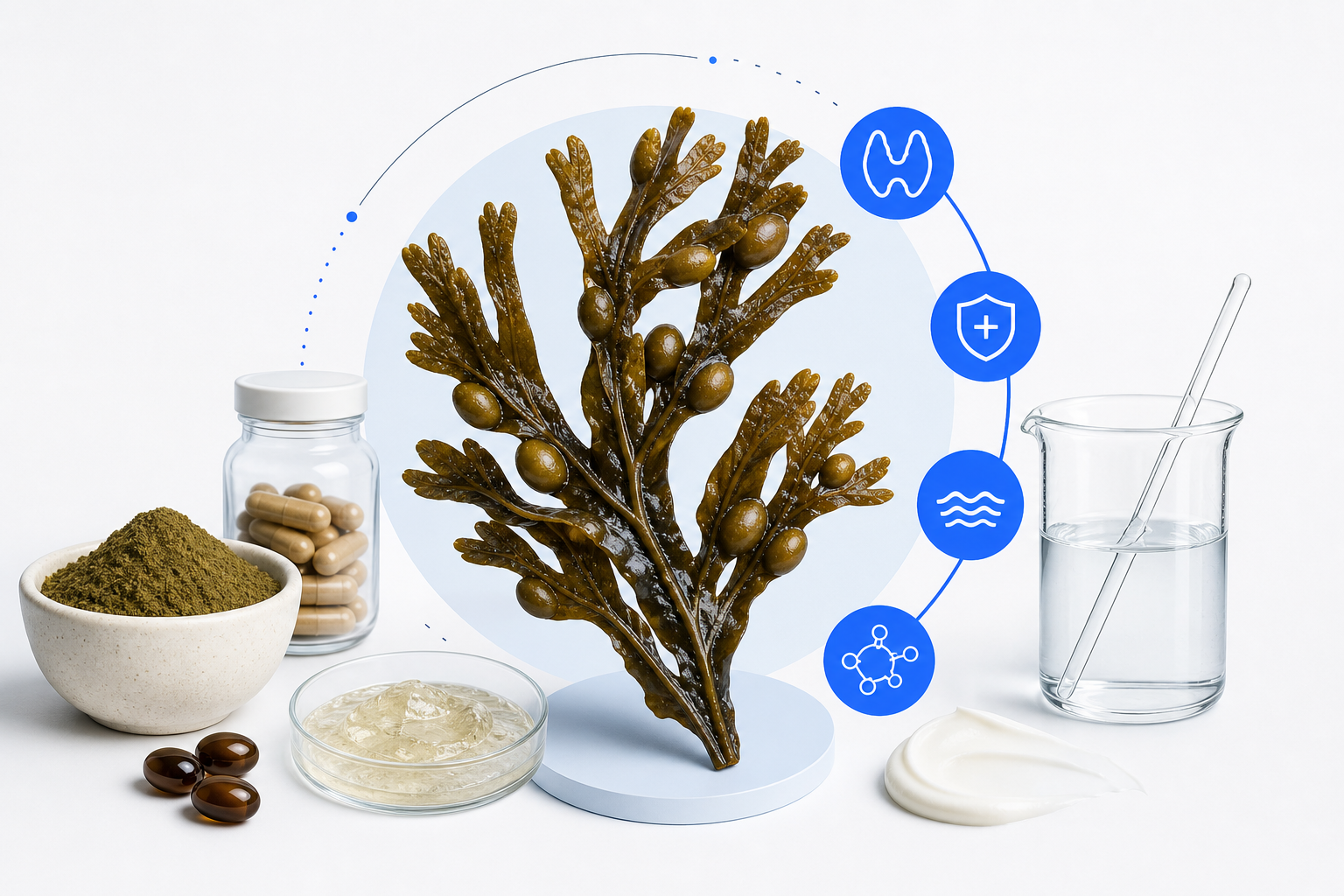
What Is Bladderwrack and Why Are Brands Adding It?
Quick Answer: Bladderwrack is a brown seaweed (Fucus vesiculosus) with a dense bioactive profile — iodine, fucoidan, alginates, and antioxidants — that has moved from traditional coastal medicine into mainstream supplement, functional food, and skincare formulations. Brands are adding it because consumer demand for marine-sourced, clean-label functional ingredients is growing, and bladderwrack delivers multiple benefit claims in a single input.
 Formulation & R&D
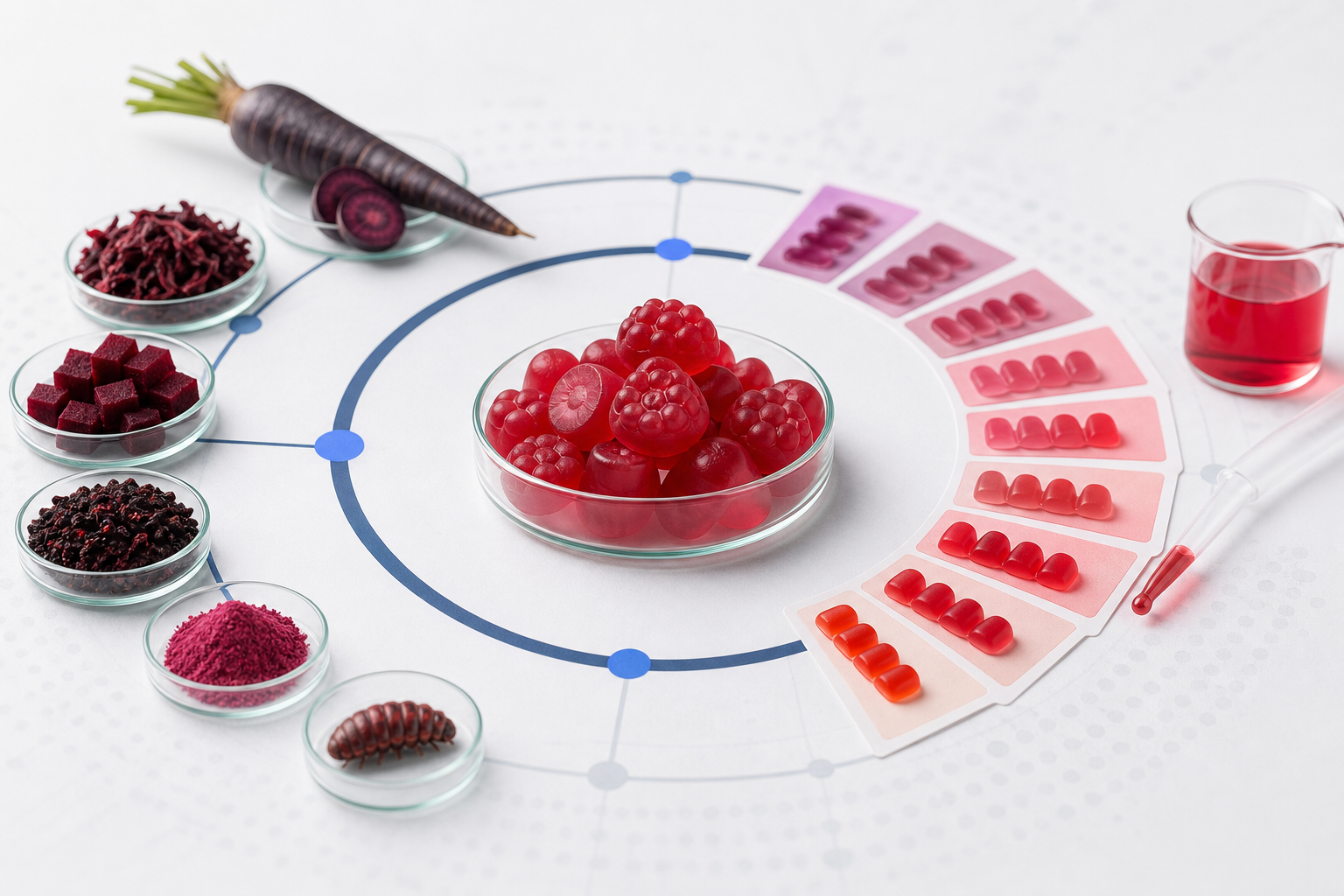
Natural Alternatives to Red Dye 40 Formulators Use
If you're reformulating away from Red Dye 40, the pressure is already on. Retailer clean-label mandates, state-level restrictions, and consumer label-scanning apps have turned synthetic red colorants into a liability across beverages, snacks, and supplements. The question isn't whether to find natural alternatives to Red Dye 40. It's which alternative actually survives your formulation.
 Ingredients
Maltodextrin in Food Formulation: Nutrition, Cost, and Sustainability Breakdown for CPG Teams
Quick Answer: Maltodextrin is one of the most widely used functional ingredients in CPG formulation — but its nutrition profile, cost sensitivity, and sustainability footprint are frequently misread by R&D teams. Here's what you actually need to know before it ends up in your next formulation.
 News & Events
Formulating Next-Gen Egg Replacement Solutions Using AI and Human Expertise — IFT FIRST 2026 Takeaways
Egg prices surged 53% between January 2024 and early 2025. That single data point turned years of latent R&D interest into urgent, funded projects across bakery, foodservice, and retail CPG almost overnight. At IFT FIRST 2026, Liyi Yang, Senior Associate Global Applications at Ingredion Incorporated, presented what that acceleration actually looks like in practice: a structured framework for combining AI and human expertise to model ingredient functionality and build egg replacement systems that perform at scale.
 Ingredients
Bladderwrack Benefits: What the Research Shows in 2026
Quick Answer: Bladderwrack is a brown seaweed with a well-documented nutrient profile that includes iodine, fucoidan, and alginic acid. Research in 2026 continues to examine its potential roles in thyroid support, metabolic health, antioxidant activity, and gut function — making it a serious candidate for functional food and supplement formulations.
 Ingredients
Foods With BHT: What's in Your Pantry Right Now
Quick Answer: BHT (butylated hydroxytoluene) is a synthetic antioxidant preservative found in dozens of common pantry staples — breakfast cereals, snack crackers, cooking oils, and more. It prevents fat oxidation and extends shelf life, and it's also one of the most scrutinized additives in the food supply right now.
 Ingredients
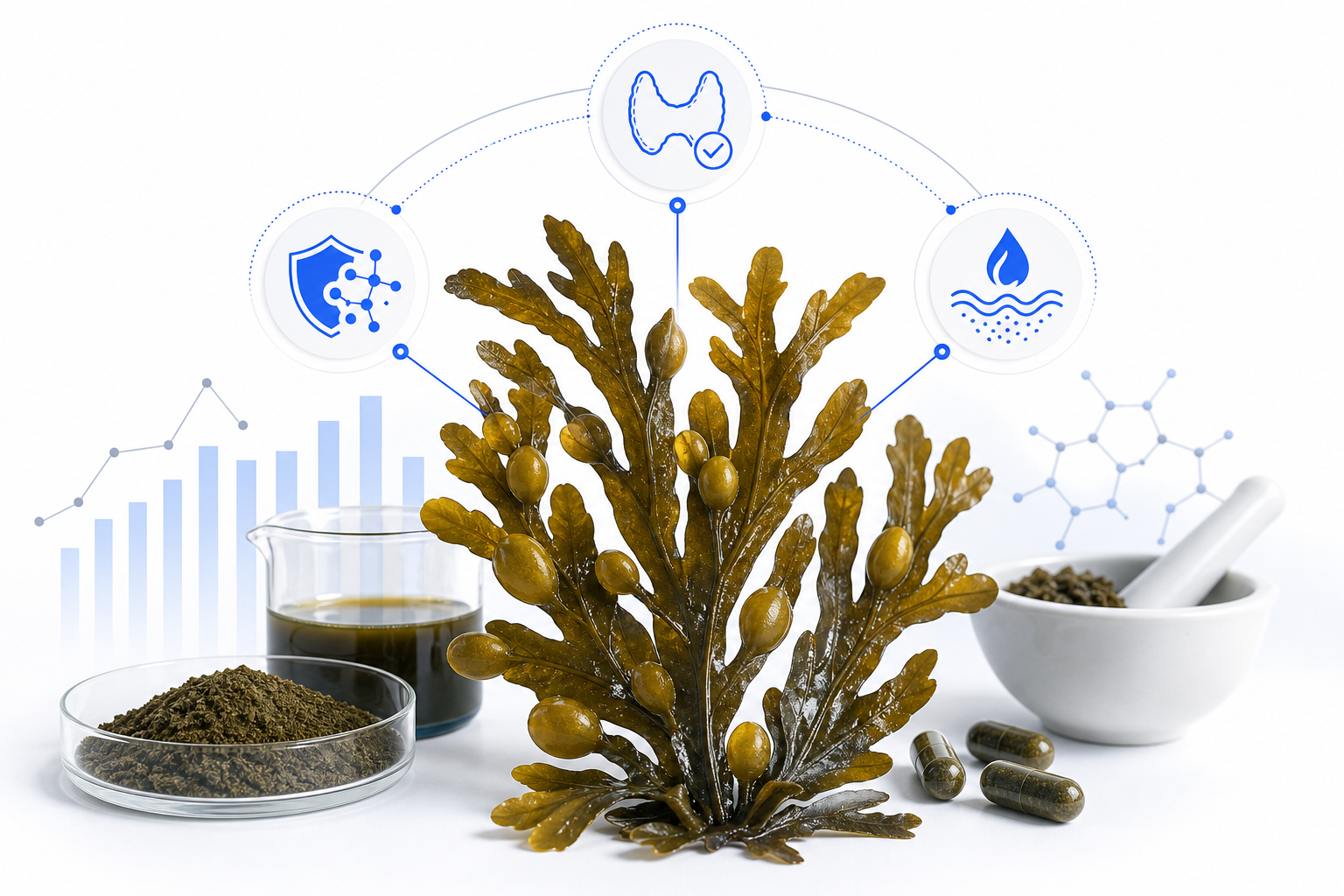
Bladderwrack: Full Benefit Profile for Product Developers
Quick Answer: Bladderwrack (Fucus vesiculosus) is a brown seaweed with a credible iodine and fucoidan profile, but its evidence base is thin and endpoint-specific. For product developers, the opportunity is real — and the formulation risk is equally real if you skip the sourcing and regulatory homework.
 News & Events
Building a Food Future Worth Tasting at NYC Climate Week
As we gather at Climate Week, we are asking a larger question: What does a food future worth tasting look like? We believe it is healthier, more transparent, more resilient, and better aligned with the people and communities it serves. Join Journey Foods and our founder and CEO, Riana Lynn, at PlanetHAUS on September 21–22 at Chief Clubhouse in New York. Register here.
 Ingredients
Xanthan Gum in Food Formulation: Nutrition, Cost, and Sustainability Breakdown for CPG Teams
Quick Answer: Xanthan gum is one of the most versatile hydrocolloids in CPG formulation — but evaluating it on texture alone leaves money and margin on the table. Here's a full breakdown across nutrition, cost, and sustainability so your team can make a faster, better-informed call.
 Labeling & Nutrition
What Neighbourhood Diet Equity Research Means for CPG Nutrition Scoring and Formulation Strategy
A peer-reviewed study published in 2026 complicates one of the more persistent assumptions in food industry nutrition strategy: that neighbourhood poverty predicts poor diet quality in a consistent, predictable way.
 Industry Insights
Food Safety Testing in CPG: How to Integrate Lab Data Into Your Ingredient Intelligence Platform
Food safety testing generates a lot of data. Microbial counts, heavy metal screens, pesticide residues, allergen panels, moisture content, pH readings — each result should, in theory, shape what happens next in your formulation or supply chain process.
 Formulation & R&D
ESHA vs Journey Foods: Why Genesis R&D + Excel Workflows Break Down at Scale for Growing CPG Teams
Most food R&D teams don't set out to build a fragile system. It happens gradually. You start with ESHA or Genesis R&D for nutrition analysis, add a shared Excel file to track formulations, and coordinate with procurement over email. With three SKUs and two people, it works.
 Formulation & R&D
Mintel Alternatives for CPG Product Development and Ingredient Data Platforms
Mintel has earned its place in CPG market intelligence. If you need to know which claims are trending on snack packaging in Europe, how many plant-based products launched last quarter, or what consumers say they want in a functional beverage, the Global New Products Database (GNPD) delivers. For tracking competitor launches and spotting category shifts early, it's a genuinely useful tool.
 Formulation & R&D
Food Manufacturing ERP vs Ingredient Intelligence Platform: Which Gap Is Costing Your R&D Team More?
Your ERP knows your batch sizes, your inventory levels, and your purchase orders. What it doesn't know is whether the hydrocolloid you've been sourcing for three years is about to go on allocation—or whether a cheaper alternative exists that hits your nutrition targets without blowing your clean-label claim.
 Industry Insights
The Pie: We are all Welfare Queens.
New Moon, New Spoons. FDA Chief Out, Welfare Queens-R-Us, Top Stories, Meat Gold
 Formulation & R&D
Food Reformulation Guide: How CPG Teams Approach Ingredient Swaps Without Disrupting Production
Reformulation is one of the most operationally risky things a CPG team can do. You're touching a product that already works, already ships, and already has a customer base expecting consistency. One wrong swap and you're dealing with a texture failure at scale, a label that no longer clears regulatory review, or a supplier who can't match the spec of the ingredient you just discontinued.
 Industry Insights
The Pie: Soup grew legs. Traceability grew teeth.
Hey Pies, Campbell's just put Chunky in the freezer aisle, and somehow that is the least dramatic headline of the week. Cyclospora widened its reach across nine states. Shell eggs
 Food Safety
Food Traceability Software in 2026: What CPG Teams Need Beyond QR Codes and Certifications
QR codes on packaging and third-party certifications were supposed to solve food traceability. They didn't. They created a paper trail that satisfies auditors and frustrates everyone else.
 Formulation & R&D
Red Dye 40 Alternatives: What Formulators Are Actually Using After the 2026 Restrictions
The 2026 restrictions on Red Dye 40 (Allura Red AC) didn't come out of nowhere. The FDA's phased approach gave R&D teams a runway. But now that the timeline has arrived, a lot of product developers are discovering that "we'll deal with it when we have to" wasn't actually a plan.
 AI & Food Tech
How to Build a Food Contract Manufacturer Shortlist Using Ingredient and Cost Data
Finding a food contract manufacturer isn't the hard part. Finding the right one for your specific formulation, cost targets, and supply chain requirements — that's where most product teams lose weeks they don't have.
 AI & Food Tech
Journey Foods Book a Demo: What to Bring and What to Expect From Your First Session
You've done the research. You've seen enough fragmented ingredient databases, siloed formulation spreadsheets, and reactive supply chain fire drills to know something needs to change. Now you're considering booking a Journey Foods demo, and you want to know what you're actually walking into.
 Formulation & R&D
Sugar Alternatives for Baking: A Formulator's Guide to Clean-Label Sweeteners
Replacing sucrose in a baked good sounds straightforward until you're three iterations deep and your cookies are spreading flat, your muffins are gummy, and your shelf-life projections are off by two weeks. Sugar does a lot of structural work that most sweetener swap guides quietly ignore.
 Formulation & R&D
Food Coloring Alternatives: Matching Natural Dyes to Color, Stability, and Label Claims
Switching from synthetic dyes to natural colorants sounds straightforward until you're three reformulation cycles in and your red is turning brown in the retort. Natural pigments behave differently than FD&C dyes across almost every dimension that matters: pH sensitivity, heat stability, light fastness, and regulatory status across markets. Getting the substitution right requires understanding the chemistry — not just swapping one ingredient for another.
 AI & Food Tech
Trace One Alternatives for Mid-Market CPG Teams That Can't Wait 18 Months to Implement
Trace One is a serious piece of software. If you're a global food manufacturer with a dedicated IT team, a six-figure implementation budget, and 18 months to spare, it might be exactly what you need.
 Formulation & R&D
Food Product Development Platform: How to Evaluate One Before You Buy
You've probably already sat through a demo that looked impressive until you tried to map it to your actual workflow. Or you bought something that solved one problem and quietly created three others.
 Formulation & R&D
How to Build a Business Case for Ingredient Intelligence Software: A Guide for R&D Directors
Your CFO doesn't care about ingredient scoring algorithms. They care about margin, time-to-market, and risk exposure. If you want budget for ingredient intelligence software, you need to speak that language — and you need the numbers to back it up. This guide gives you the framework to do exactly that.
 Formulation & R&D
ESHA Alternatives for CPG Teams That Need More Than Nutrition Analysis in 2026
ESHA does one thing well: nutrition calculation. If your job is generating a compliant nutrition facts panel and nothing else, it works. But most CPG product teams in 2026 are not doing just that one thing.
 Formulation & R&D
5 Ingredient Trends CPG R&D Teams Are Tracking in 2026
The ingredient decisions you make this year will shape your product line for the next three. That's not hyperbole. Between tightening clean-label regulations, protein supply volatility, and consumer demand splintering into smaller and more specific segments, the margin for slow research and reactive sourcing has disappeared.
 Supply Chain
Supply Chain Disruption in Food: What 2026's Volatility Means for CPG Ingredient Sourcing
If you've spent any part of 2026 scrambling for an ingredient alternative after a supplier went quiet, you already know this isn't theoretical. Food supply chain disruption has shifted from a periodic risk event to a near-constant operating condition for CPG teams.
 Sustainability
Sustainability Reporting for CPG Ingredients: What the Data Requirements Actually Look Like in 2026
Sustainability reporting used to be a marketing exercise. In 2026, it's an operational requirement with teeth.
 Industry Insights
The Pie: Tallow Hits
Beef tallow is a billion-dollar villain story now. Why heritage ingredients are resetting the shelf, what the new packaging-chemical bill means for your materials list, and where A
 News & Events
Frozen Food Recall June 2026: What's Happening, What to Check, and What It Says About the Food System
Three separate frozen food recalls landed in U.S. freezers this June. Different brands, different hazards, different root causes — but the same underlying story about where food safety systems are still falling short.
 Industry Insights
Journey Foods: What It Is, How It Works, and Who It's Built For
If you've spent time in CPG product development, you know the drill. Ingredient research lives in spreadsheets. Formulation versions are buried in someone's inbox. Supply chain alerts arrive after the disruption already hit. And by the time your team agrees on a final spec, weeks have disappeared.
 Supply Chain
Food Supply Chain Management in 2026: Why It's the Highest-Leverage Decision in CPG
Your supply chain is not a logistics problem. It's a product development problem, a margin problem, and a brand reputation problem — all running simultaneously.
 Industry Insights
Journey Foods API: What Developers and Technical Teams Can Build With Ingredient Data
Food ingredient data is messy, fragmented, and expensive to maintain. If you've tried to build anything meaningful on top of it — a nutrition calculator, a formulation tool, a supp
 Industry Insights
Supply Chain Disruption in Food: How CPG Companies Are Building Resilience in 2026
We're at an inflection point in the food industry. The past few years have exposed just how fragile global food supply chains really are — and in 2026, the companies that are thriv
 AI & Food Tech
How AI Is Solving the Ingredient Substitution Problem for CPG R&D Teams
Ingredient substitution is one of the most time-consuming, high-stakes decisions an R&D team makes. A supplier drops out. A regulatory update flags an additive. A cost spike makes your current formulation unviable. And suddenly you're weeks into a manual search process that could derail a launch.
 Ingredients
BHT Alternatives in Food: What CPG Formulators Are Using Instead in 2026
BHT reformulation is not a future problem. For most CPG brands, it's a current one. The good news is that the alternatives are genuinely effective — when selected carefully, combined strategically, and validated in your specific application.
 Formulation & R&D
Clean-Label Formulation: How to Replace Synthetic Additives Without Killing Your Margin
We're at an inflection point in CPG product development. Consumers are reading ingredient labels more carefully than ever, retailers are tightening their "free-from" requirements, and regulatory scrutiny on synthetic additives is intensifying across the US, EU, and MENA markets. The pressure to go clean-label is real. So is the pressure to stay profitable.
 Formulation & R&D
The Real Cost of Manual Ingredient Research: A Data-Backed Case for Automation
Most food R&D teams have a productivity problem they've stopped noticing. Ingredient research, supplier qualification, nutritional analysis, regulatory cross-referencing — none of it feels like waste because it's always been part of the job. But when you actually measure the hours, the error rates, and the downstream costs of slow or incomplete research, the picture shifts fast.
 Industry Insights
Journey Foods vs. Trace One vs. HowGood: Which Ingredient Intelligence Platform Is Right for Your Team?
This isn't a category where one platform wins universally. Trace One is genuinely strong for compliance-heavy, spec-driven workflows at large manufacturers. HowGood fills a real gap for sustainability teams that need auditable environmental data. But if your team's daily work centers on ingredient decisions, formulation speed, and supply chain visibility, Journey Foods covers the most ground with the least friction because we partner with both to integrate your data. The future is collaboration and, today, we are making that difference.
 Reports
Journey Foods Platform Review: Features, Pricing, and Who It's Actually Built For
We're at an inflection point in food product development. R&D timelines that once stretched across quarters are getting compressed to weeks. Supply chain volatility has made reactive sourcing genuinely dangerous. And the volume of ingredient data available to formulation teams has long outpaced any spreadsheet-based workflow.
 Formulation & R&D
Edible Arrangements and the Science of Fruit Freshness: What Keeps Produce Market-Ready
Most people hear "edible arrangements" and picture chocolate-dipped strawberries in a bouquet. Fair enough. But behind every perfectly presented piece of fresh fruit is a real supply chain and food science challenge: how do you keep cut, whole, and minimally processed produce fresh long enough to actually reach the consumer in good condition?
 Formulation & R&D
Noodles and Company Ingredients: What's in the Bowl and What CPG Brands Can Learn
Fast-casual chains are a live laboratory for CPG product development. They move fast, serve millions of people, and get real-time feedback on what works — and what doesn't.
 Formulation & R&D
Brunch Recipes That Use Functional Ingredients: A 2026 Formulator's Inspiration Guide
Brunch gets dismissed as a consumer occasion. It shouldn't be.
 News & Events
Atlanta's First Food A.I. Hackathon: What Happened When We Opened the API
Builders flagged things we needed to hear: cost data fields that need populating, a formulation endpoint they want sooner, documentation with worked examples. Every note is now on the roadmap.
 Industry Insights
What Is Food Formulation Software and Do You Actually Need It in 2026?
Table of Contents If you're a food scientist or R&D lead searching "food formulation software" right now, you're probably dealing with one of two things: a product launch that'
 Industry Insights
Journey Foods vs. Genesis R&D: Which Platform Is Right for Your Team in 2026?
Table of Contents Choosing the right formulation software determines whether your product development team ships faster or gets stuck in endless revision cycles. If you're evaluati
 Industry Insights
How to Score Ingredients Across Nutrition, Cost, and Sustainability at the Same Time
Table of Contents Food scientists and product developers face an impossible choice: optimize for nutrition, cost, or sustainability. Pick one, sacrifice the others. Your protein po
 Ingredients
How AI Is Changing Ingredient Discovery for CPG Brands in 2026
Table of Contents Ingredient discovery used to mean spreadsheets, supplier calls, and a lot of waiting. Your food scientist would shortlist candidates, procurement would chase down
 Industry Insights
Ingredient Management Software in 2026: What Food Teams Actually Need
The ingredient management software category has matured significantly, but most platforms still solve only part of the problem. Nutrition tools don't cover supply chain. Sustainability platforms don't touch cost optimization. Enterprise PLM systems are too complex for most mid-market teams to implement and maintain.
Industry InsightsFood Product Development Platform: How to Evaluate Your Options in 2026
Table of Contents Your product development team spends weeks sourcing ingredients, months tracking formulation changes in spreadsheets, and countless hours in meetings trying to al
 Supply Chain
The Strait of Hormuz Is Holding Your Food Hostage
Journey AI tracks 22,000+ suppliers across 122 countries — with live signals on pricing, geopolitical risk flags, and ingredient alternatives. When a disruption hits a shipping lane, the brands on Journey AI know about their exposure in hours, not months. They have qualified alternatives already scored by cost, nutrition profile, and sustainability — ready to act.
 Labeling & Nutrition
RFK Jr.'s UPF Petition Pledge: What It Means for CPG Founders in 2026
The FDA is being asked to revoke GRAS status for corn syrup, HFCS, and dozens of refined starches. Here’s what’s at stake — and how ingredient intelligence becomes your competitive edge.
 News & Events
CNBC Feature: AI startups want to crack open the recipe book in Big Food’s test kitchens
Across 23 countries, through partnerships with academic institutions through Journey Labs, serving enterprise customers who manage billions in ingredient spend—Journey AI is building the operations intelligence platform the CPG industry actually needs.
 News & Events
Navigating the Complex World of Ingredients With AI - By Oreate AI
While the reference material touches on other platforms like PitchBook, which focuses on market intelligence and financial data for investors, the core mission of Journey Foods is distinct. It's rooted in the tangible world of physical ingredients and the complex supply chains that bring them to our plates. It’s about empowering food developers, manufacturers, and innovators to make smarter, faster, and more informed decisions about the very building blocks of their products
 Industry Insights
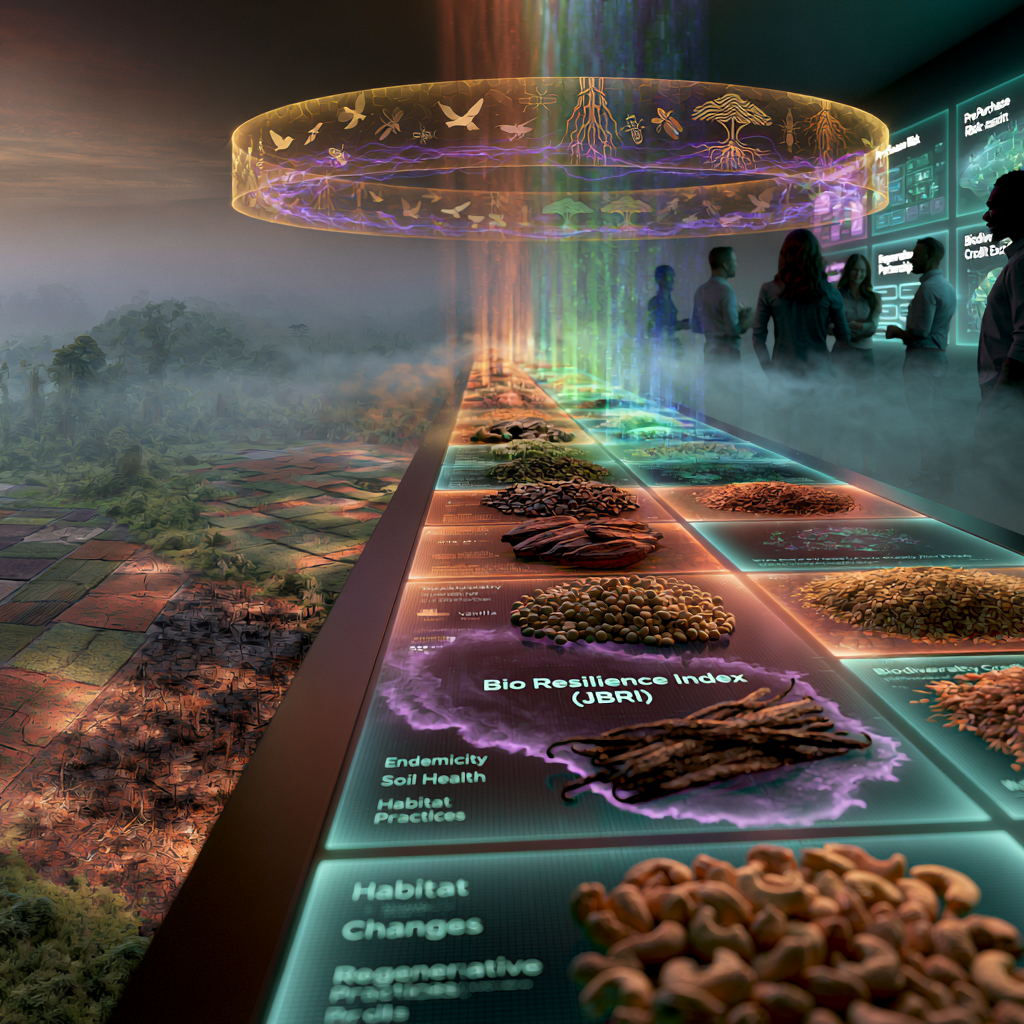
New Product Feature: Biodiversity Scoring
We've been focused on biodiversity and conversatios for years: likns: but we are not launching a full score and more than just tagging for sustainability. Welcome to 2026, where Bi
 Industry Insights
The Great Reconciliation: Chef vs. CFO - How Journey AI fixes the speed and cost divide
How Journey AI Healed the R&D and Finance Divide
 Industry Insights
Story: Stuck at Sea - Predictive Logistics Auto-Swap
Story time and real insights
 Reports
AI and Transparency in Food: How 2026 Tech Is Transforming Ingredients, Safety, and Supply Chains
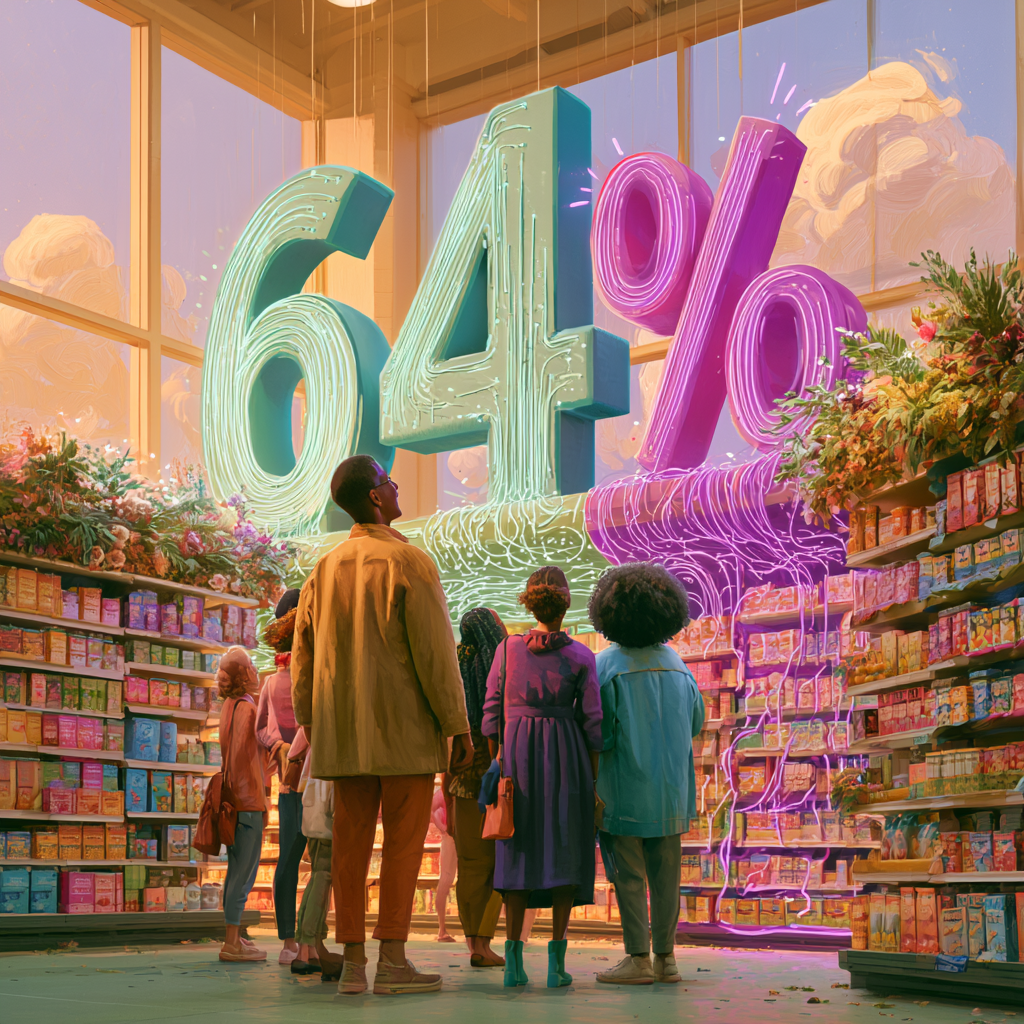
AI in food processing is exploding from $15 billion in 2025 to $140 billion by 2034, while 71% of CPG executives now deploy AI for faster R&D, fraud prevention, and supply chain intelligence. But technology is only half the story—64% of Gen Z consumers demand clean labels and radical transparency, armed with apps and data tools that decode ingredients at point of purchase. The brands winning in 2026 are the ones building AI-powered innovation *and* unprecedented traceability into their operating systems—not just their marketing decks.
 Sustainability
Food Sustainability Metrics: What CPG Brands Are Actually Measuring in 2026
Sustainability reporting used to be voluntary. In 2026, it's a procurement requirement, a retailer condition, and increasingly a regulatory obligation. If you're in R&D or product development at a CPG brand, you're not just being asked to build sustainable products — you're being asked to prove it, with numbers, at the ingredient level.
 Formulation & R&D
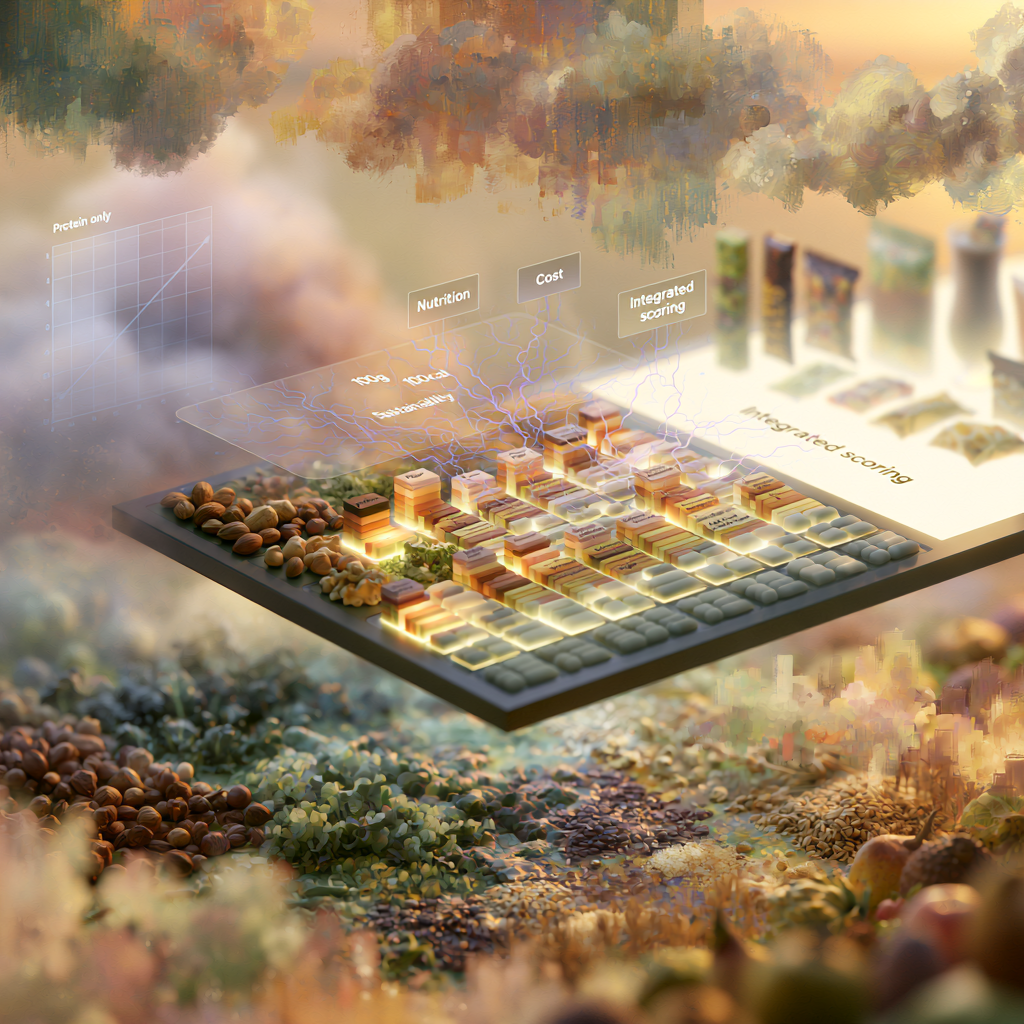
Nutrient Density Scoring: How Food Scientists Are Quantifying Ingredient Quality in 2026
Nutrient density has always mattered. What's changed in 2026 is that food scientists can now measure it with enough precision to drive real formulation decisions — not just directional ones.
 Ingredients
The Return of Real Meat: Why Authentic Red Meat and Less-Processed Options Are Gaining in 2026
The return of real meat isn't a rejection of progress. It's an evolution.Consumers still want sustainability. They still want health. But they've recalibrated what those words mean. "Sustainable" doesn't automatically mean plant-based anymore—it can mean regenerative agriculture. "Healthy" doesn't mean ultra-processed alt-meat—it means whole foods, short ingredient lists, and nutrient density.The brands that will thrive in this moment are the ones that meet consumers in their contradictions instead of trying to resolve them. They're the ones that offer both indulgence and values. Taste and transparency. Comfort and consciousness.
 Reports
The Top 10 CPG Culture Signals Rolling into 2026
The top culture signals rolling into 2026.
 Industry Insights
The Pie: AI is Ghetto: Year close out
New Podcast alert, Will Trump embrace the small business needs on Tik Tok? Viral foods, and future trends.
 Industry Insights
The Pie: AI Summit, Tom Brady, Fruity Pebbles Death Water (athletes)
Hey Pies — We were invited to this this month’s AI for Good summit in Geneva, where food finally took center stage of the AI convo. Most of the summit focused on using AI to transf
 Industry Insights
Miss Vickie's Ingredients: What's in the Bag and What It Says About Better-For-You Snacking
Pick up a bag of Miss Vickie's kettle-cooked chips and the first thing you notice is what's not there. No artificial colors. No artificial flavors. No MSG. No preservatives. For a mainstream snack brand sitting inside PepsiCo's Frito-Lay portfolio, that's a deliberate formulation choice — and it says something real about where the snack category is heading.
 AI & Food Tech
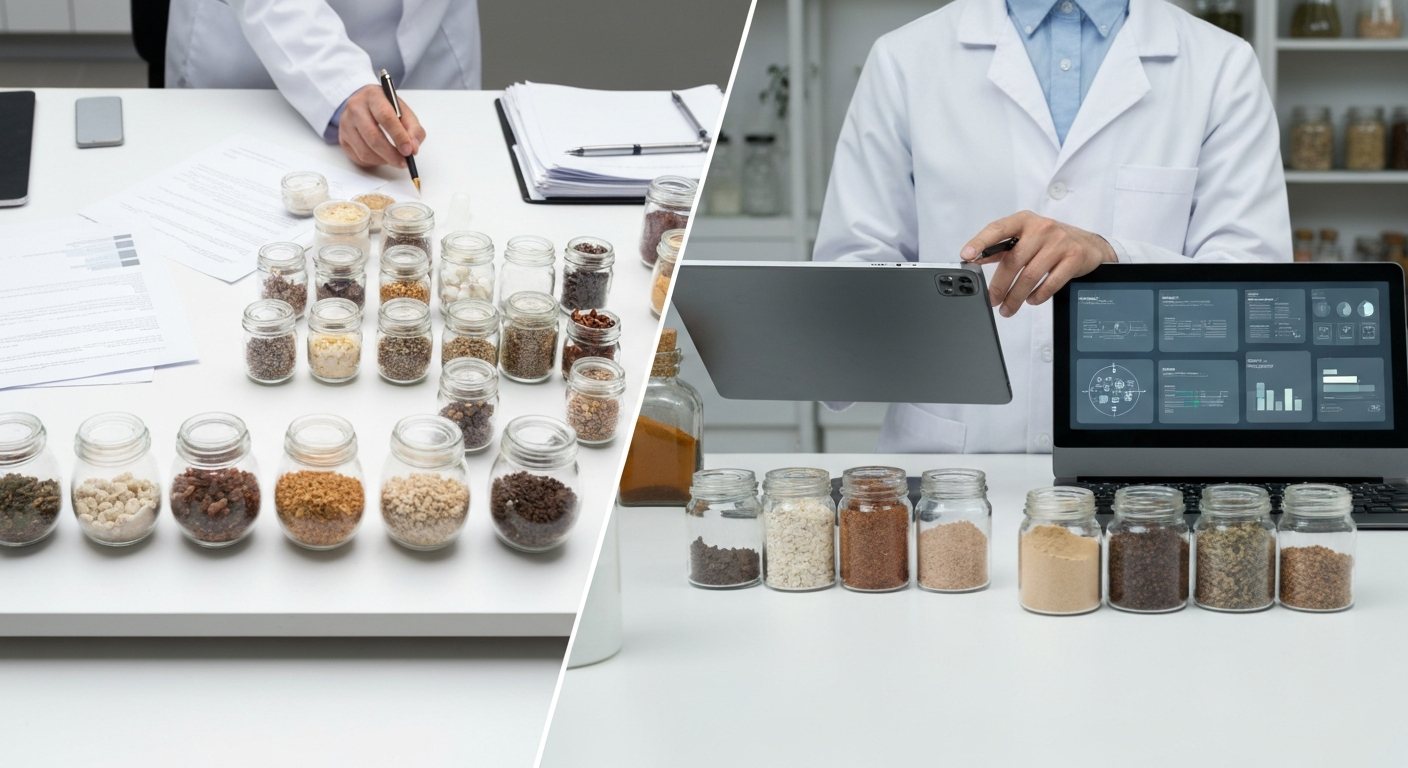
How Journey Foods Helped a CPG Brand Cut Ingredient Research Time in Half
Your R&D team is talented. So why are they spending half their week on ingredient research that should take hours?
 Supply Chain
Journey Foods Pricing: What You Get at Every Plan Level
You're evaluating AI software for food product development. You want to know what Journey Foods costs and whether it's worth it. Fair enough — let's get into it.
 Formulation & R&D
Doritos Ingredients: What's Actually in Them and What It Means for CPG Formulators
Doritos are one of the most studied snacks in CPG. Not because they're nutritionally interesting — but because they're technically impressive. The flavor profile is engineered to hit multiple taste receptors at once. The texture is calibrated. The color is deliberate. And the ingredient list tells you exactly how much work went into making something that addictive at that price point.
 Formulation & R&D
The Chemistry of Chocolate: How Cacao Becomes a CPG Ingredient
Chocolate is one of the most chemically complex ingredients in food manufacturing. A single cacao bean contains more than 600 volatile compounds — and by the time it reaches your formulation as cocoa powder, couverture, or compound chocolate, it has been through fermentation, drying, roasting, conching, and tempering. Each step alters its chemistry in ways that directly affect flavor, texture, shelf life, and nutritional profile.
 Formulation & R&D
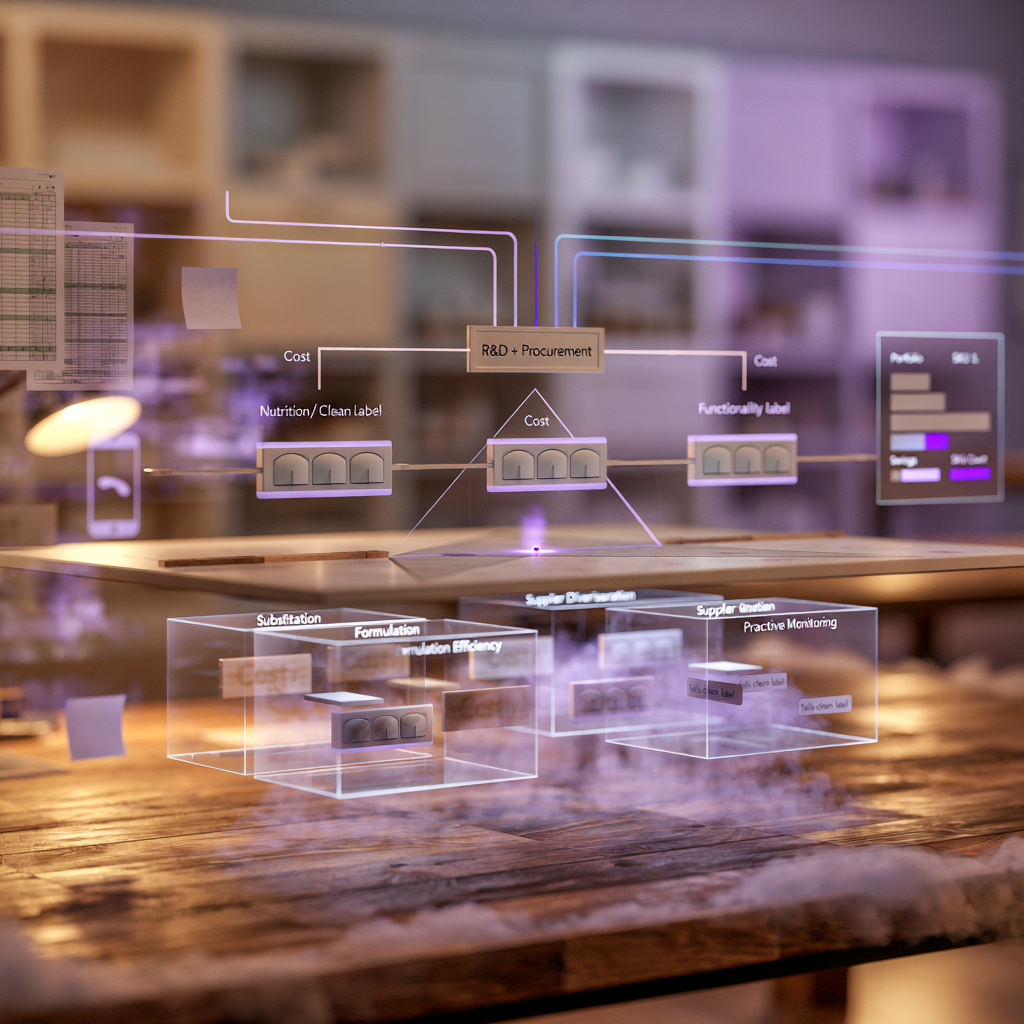
How to Build a Product Development Workflow That Scales: A Guide for CPG Teams
Most CPG product development workflows don't fail because of bad ideas. They fail because the process can't keep up with the product.
 Formulation & R&D
Food Ingredient Cost Optimization: How CPG Teams Cut 28% Without Sacrificing Quality
Ingredient costs are one of the few line items in food manufacturing where smart decisions compound fast. A 5% reduction in one high-volume ingredient doesn't just save money this quarter — it shifts your unit economics across every SKU that uses it.
 Formulation & R&D
10 Questions to Ask Before Choosing a Food Formulation Software Platform
You're evaluating formulation software. That means you've already moved past spreadsheets, past "we'll figure it out later," and past the idea that your current process scales. Good. Now the hard part: every vendor in this space claims to do everything. Most don't.
 Industry Insights
Spreadsheet Sexy: How AI at Journey Foods Drives Margins for CPGs
While flashy branding turns heads on Instagram, the real winners in CPG are quietly rewriting spreadsheets. At Journey Foods, we call that being spreadsheet sexy—and it’s how we help food and beverage companies unlock real profit.
 Industry Insights
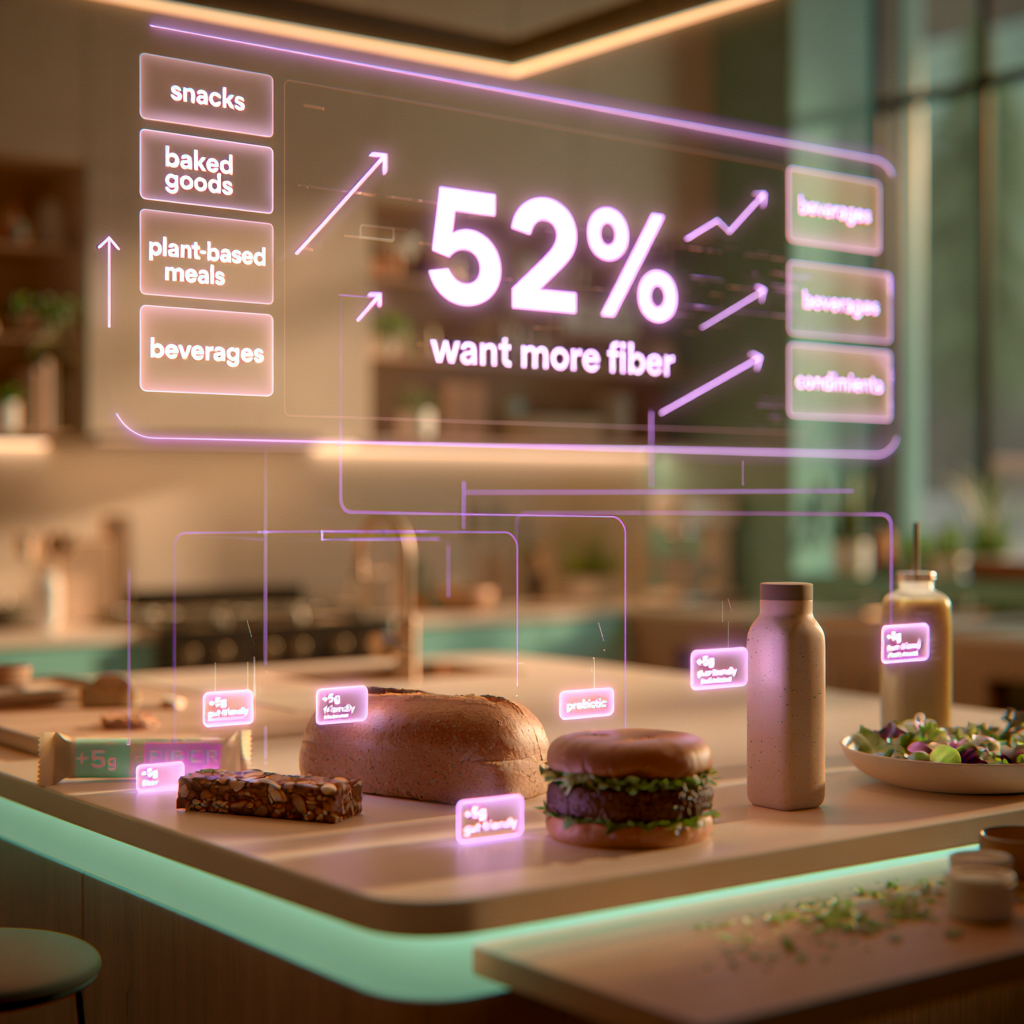
The Fiber Factor: Why Companies Should Lean Into Dietary Fiber Now
Consumers are actively seeking more dietary fiber, with over half prioritizing it for better gut health, satiety, and overall wellness. Food companies can meet this demand by integrating functional fibers into snacks, baked goods, plant-based meals, and beverages without compromising taste or texture.
 Industry Insights
The Pie: 🦄's won't bloom this spring
You want power? Tik-Toky Tariffs, Takeovers, and Cost Timing. Nutrition exclusion. NCAA Snacks.
 Industry Insights
The Pie: Mustard, Beatrice and Superbowl
Sunday Pie: Super Bowl Snacks, Billion-Dollar Moves & Mustard’s Hot Streak 🏈
 Industry Insights
The Pie: A Tariff War Brewing
Hey Pies - I heard Mexico was changing the name of singer Amy winehouse to Amelia Casatequila. Over the past 48 hours the Presidents to the North and South, the stock market and co
 Industry Insights
Why Storytelling Matters in Food: Sundance
Event
 News & Events
How Food Brands Can Create Loyalty with Nutrition and Sustainability
In an ever-changing landscape where consumer preferences evolve alongside technological advancements, food brands must lean on research-driven strategies to address growing demands for healthier options, sustainable practices, and deep brand loyalty. As seen with the rise of live streaming and other digital platforms, engagement is about creating immersive and transparent experiences. Here's how food brands can adapt and thrive by integrating insights from nutrition, sustainability, and audience engagement trends.
 News & Events
Journey Foods Selected as Thrive 100 Finalist for Global Innovators
We are proud to announce that Journey Foods has been selected as one of THRIVE's Top 100 Global Innovators in the 2024 THRIVE Global Impact Challenge. This recognition places us among an elite group of companies driving innovation in the agrifood technology sector, specifically in the Nutrition & Health category.
 Industry Insights
Saturday Pie: Climate, Food Fight, Groceryshop
The Pie: Food Shifts, Hispanic Heritage Month Billions, and Futurewishing
 Industry Insights
MrBeast’s New Lunch Line: How Companies Can Learn from Virality and Wow
MrBeast's latest venture, a lunch line inspired by Lunchables, brings nostalgia to Millennials and Gen Z but misses a key opportunity to tap into wellness trends.
 News & Events
Navigating the Cost of Healthy Food for Parents
Rising food costs, income disparities, and food deserts are making nutritious food increasingly difficult to afford for many families. Innovative companies like Journey Foods are addressing these challenges by using AI to improve food product development and streamline supply chains, offering a hopeful path towards more accessible and affordable healthy food options.
 Industry Insights
The Pie: Breaking the Noise
The Pie: Breaking the Noise 🥥
 Ingredients
How Athletes Eat Sustainably at the Paris 2024 Olympics
As the Paris 2024 Olympics approach, athletes are leading by example with their commitment to sustainable eating practices, including plant-based diets, organic ingredients, and eco-friendly packaging. Journey Foods is supporting these efforts by using AI to enhance plant-based product development, reduce food waste, and promote sustainable packaging solutions. Through their innovation, Journey Foods helps align the food industry with the growing trend of eco-conscious choices, showcasing how elite athletes and technology can drive a greener future.
 Formulation & R&D
How to Build an Internal Ingredient Database Your Whole R&D Team Will Actually Use
Most ingredient databases fail before they're finished. Not because the data is wrong — because the system was built for one person's workflow and everyone else quietly stopped using it after week two.
 Supply Chain
How to Use Ingredient Data to Reduce Product Launch Risk in CPG
Most CPG product launches don't fail because of bad ideas. They fail because of bad data.
 Supply Chain
Nutrient-Dense Ingredient Sourcing: How to Build a Better Product Without Blowing Your BOM
You can have the cleanest formulation on the shelf and still watch your margins collapse at launch. That's the real tension in nutrient-dense ingredient sourcing right now — and most R&D teams are navigating it with spreadsheets, supplier PDFs, and a lot of educated guesswork.
 Sustainability
How to Build a Sustainable Ingredient Strategy: A Framework for CPG Teams in 2026
We're at an inflection point in how CPG companies think about ingredients. Sustainability used to be a marketing layer — a "clean-label" callout on the front of pack, a paragraph in the annual report. In 2026, it's a supply chain discipline. And the teams that treat it that way are outperforming the ones that don't.
 Ingredients
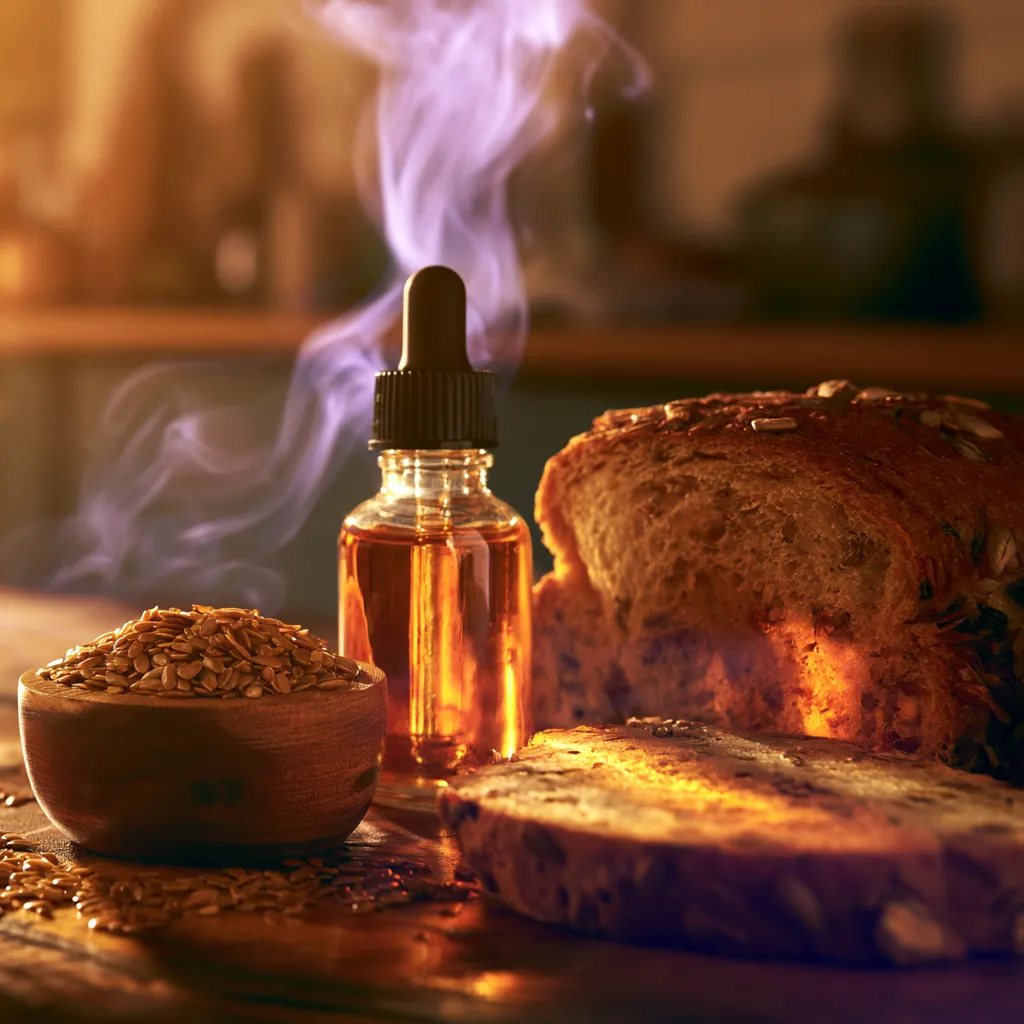
Ingredient Insights: Flax Seed Extract Product Development
Flaxseed extract, rich in omega-3 fatty acids and fiber, is prized for its health benefits like improved cardiovascular health and reduced inflammation, meeting the rising demand for functional foods. Its versatility spans baked goods, cereals, and beverages, offering a nutty flavor and serving as a sustainable, plant-based alternative. Journey Foods specializes in unlocking the potential of ingredients like flaxseed extract, providing comprehensive insights and connections with top-quality suppliers to drive innovation and health-driven product transformations.
 Ingredients
Mighty Mushrooms: Revolutionizing Plant-Based Meat Alternatives
Discover how mushrooms are transforming the plant-based meat alternative market, offering a nutritious and sustainable solution for CPG innovators. With a projected CAGR of 15.8% in the global plant-based meat market, incorporating mushrooms unlocks tremendous growth opportunities. Join Journey Foods on this culinary journey to create flavorful, plant-based products that redefine the future of sustainable food. Contact sales@journeyfoods.com to explore the mushroom-infused revolution today.
 News & Events
Journey Foods Wins the Awesome Anthem Award for Collaboration with Universities and HBCUs
Journey Foods has been recognized with the prestigious Anthem Award for their outstanding collaboration with universities and Food Tank. Their dedication to transforming the food industry and creating sustainable solutions has earned them this well-deserved honor. By teaming up with academic institutions and industry experts, Journey Foods has spearheaded innovative advancements in food technology and nutrition. This recognition showcases their commitment to making a positive impact on our future, one delicious and sustainable bite at a time.
 Industry Insights
The Resilience of U.S. Rural Food Manufacturers Amidst COVID-19
Abstract: COVID-19 has posed several challenges on the economies of the world. There are many negative effects from the pandemic. However, it is important to look at the positives
 Industry Insights
VegNews: An Interview with Anna Starostinetskaya
This is an interview with Anna Starostinetskaya, brilliant operator of the news department at VegNews - "Your ultimate source for all things Vegan". "What can consumers expect when
 Industry Insights
Beyond Plant-Based: The Racial History and Future
The plant-based roots of West Africa are inextricably linked to the vision of the plant-based America we are funding by the billions today. When I started my journey in food, I was
 News & Events
The Potential Of Micro Foods: Interview With Riana Lynn Of Journey Foods
Riana Lynn, a biologist who became a serial entrepreneur, believes the future of nutrition is micro foods. As the CEO and founder of Journey Foods, she recently launched her first